
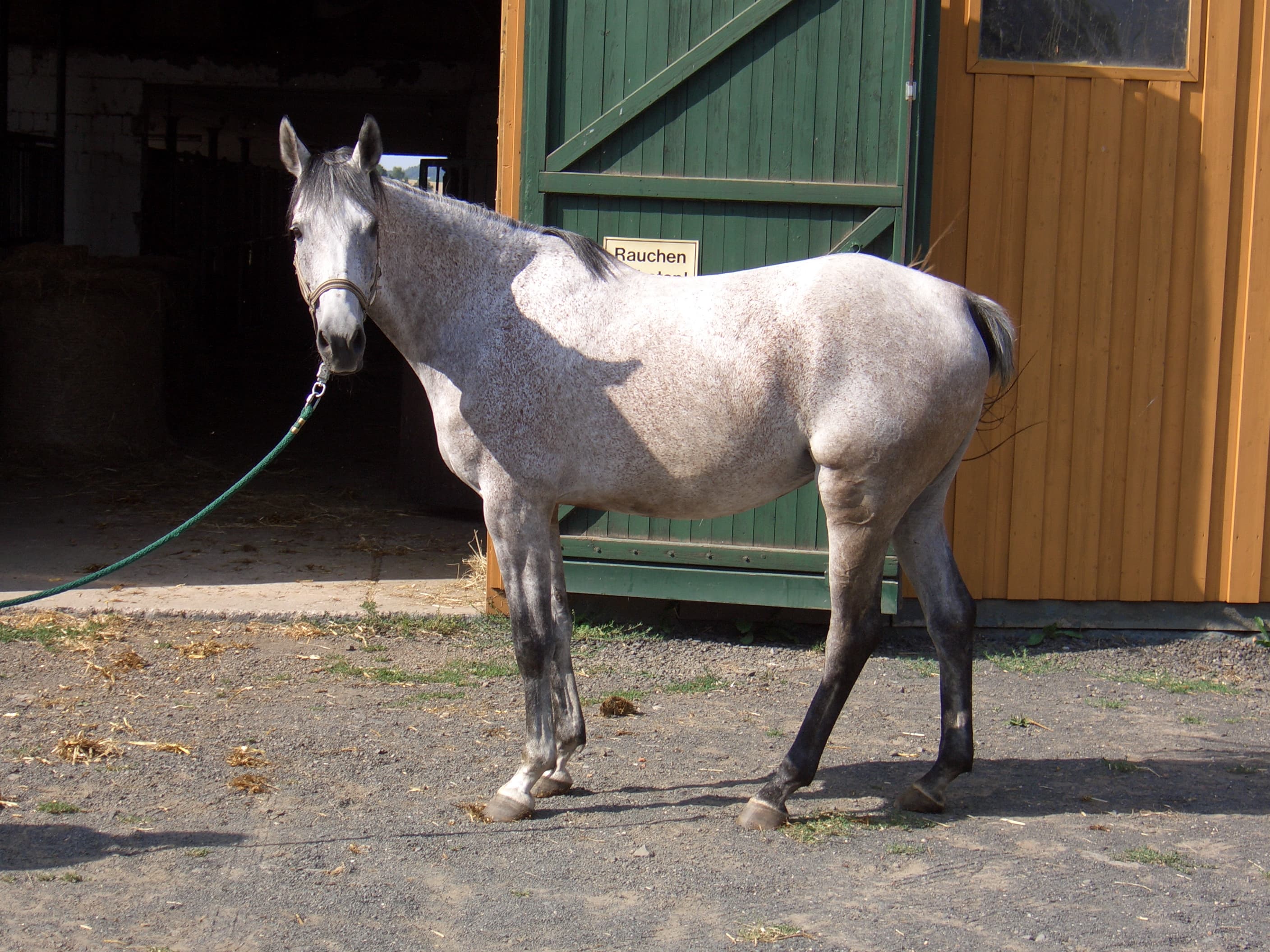

The Anglo-Arabian developed in southwestern France from Arabian and Thoroughbred horses, with contributions from local mares.
- Riding and sport
Breeds · directory
Each breed profile covers its history, physical characteristics, uses and genetics.
To find a breed, search by name or filter by category, country or region of origin, and use.
Search includes alternative and local names, with or without accents.
Uses may be historical or current. A breed can appear in more than one category.
73 profiles found
The Anglo-Arabian developed in southwestern France from Arabian and Thoroughbred horses, with contributions from local mares.
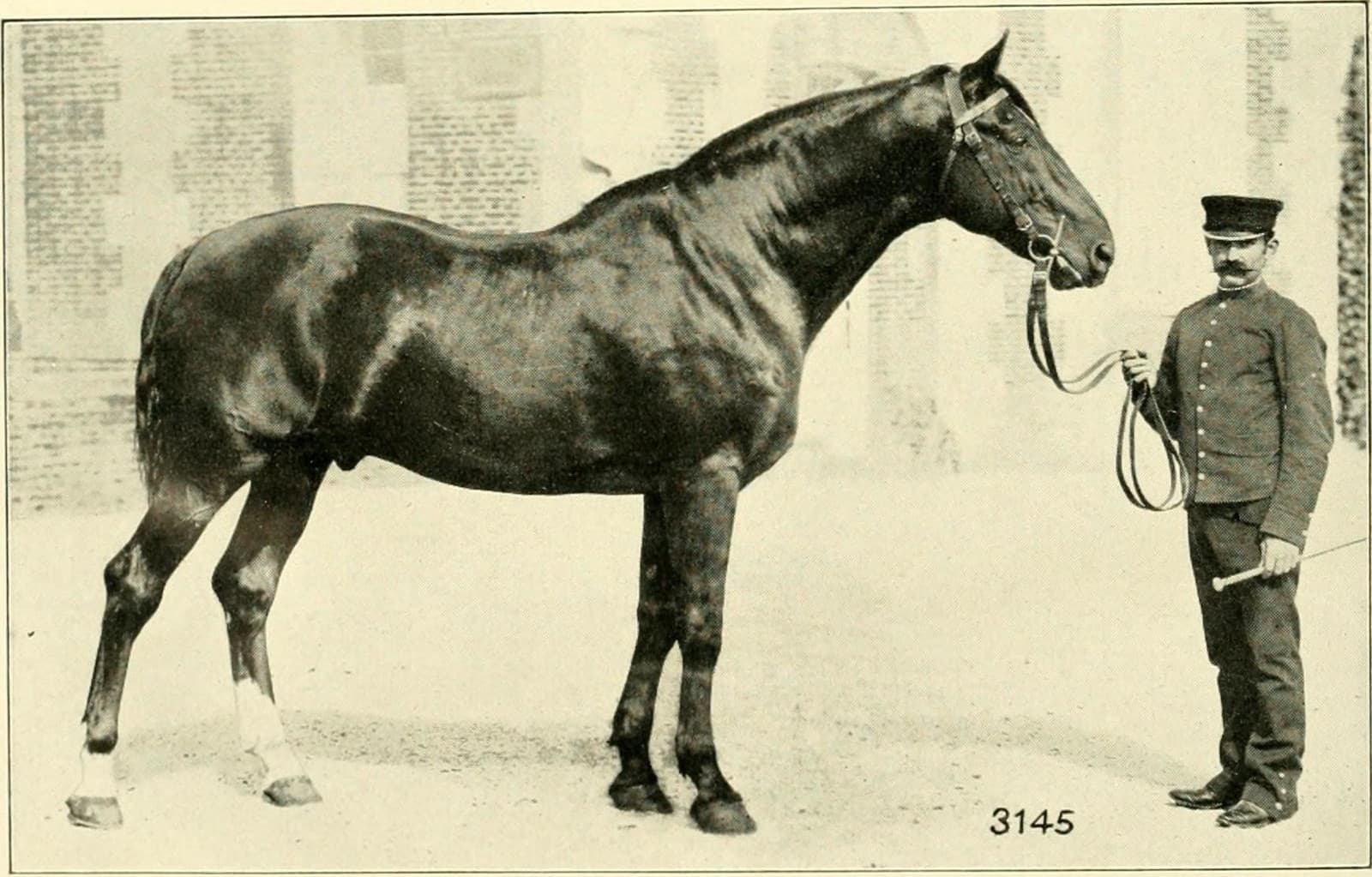
The Anglo-Norman Sport Horse, or CSAN, is bred for showjumping and eventing.
Sources: CSAN · IFCE — Écus 2025
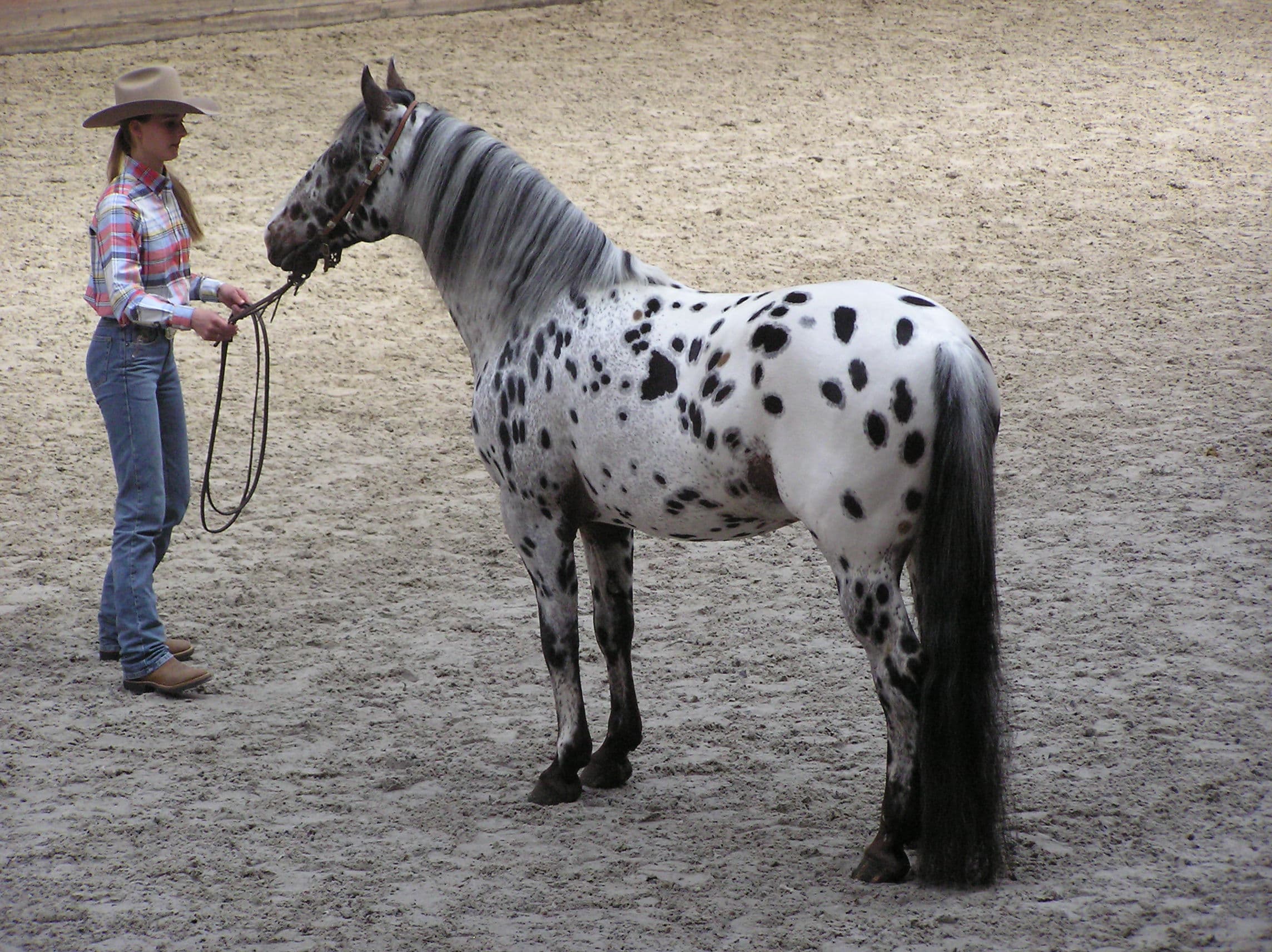
The Appaloosa is an American breed with a history connected to horses raised by the Nez Perce, or Nimiipuu, in the northwestern United States.
Sources: Appaloosa Horse Club — Official Handbook 2026 · Chief Joseph Foundation
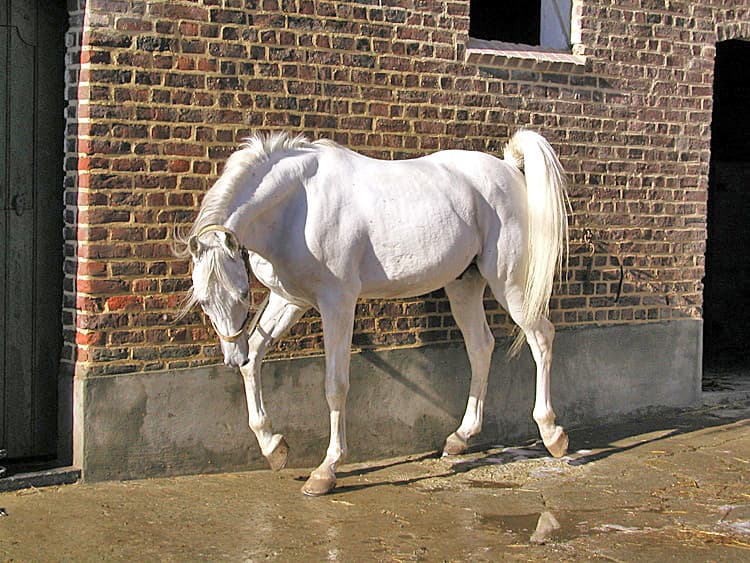
The Arabian is a riding horse with its homeland in the Middle East.
Sources: WAHO — VZAP · IFCE — Livre généalogique Arabe 2026
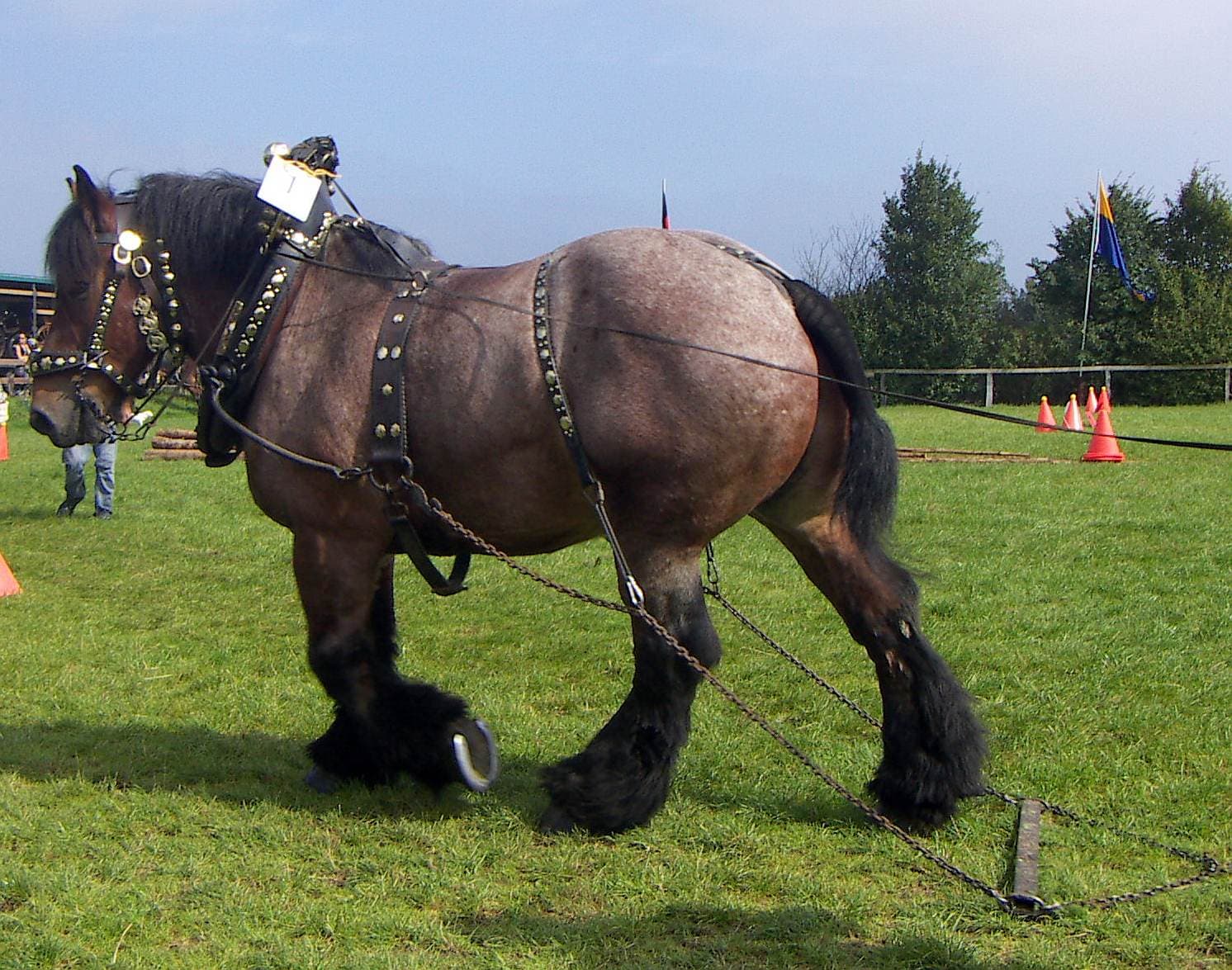
The Ardennes is a compact draught horse with a deep chest and powerful hindquarters.
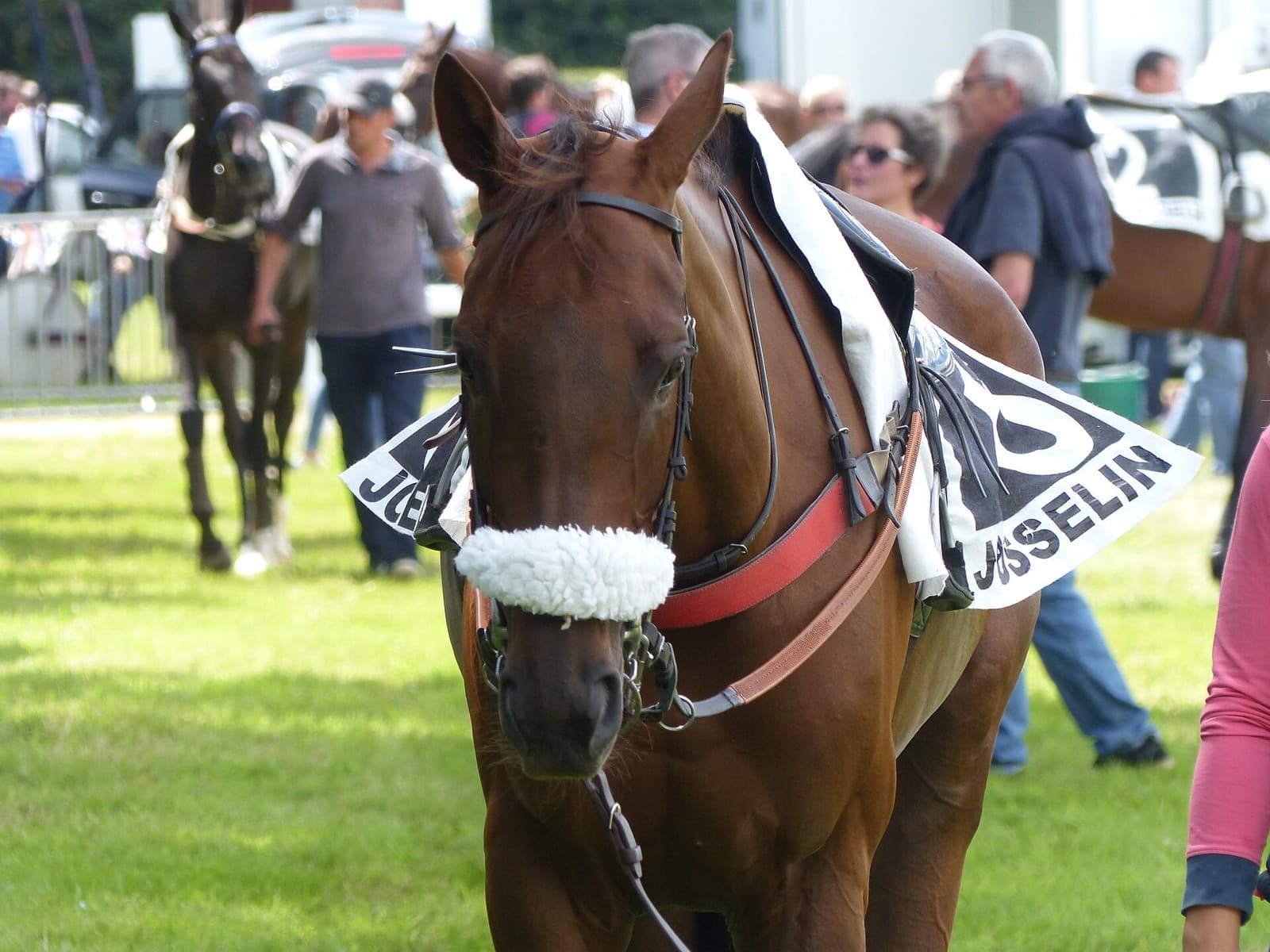
The AQPS is a horse bred for racing, particularly over jumps.
Sources: France Galop / Association AQPS
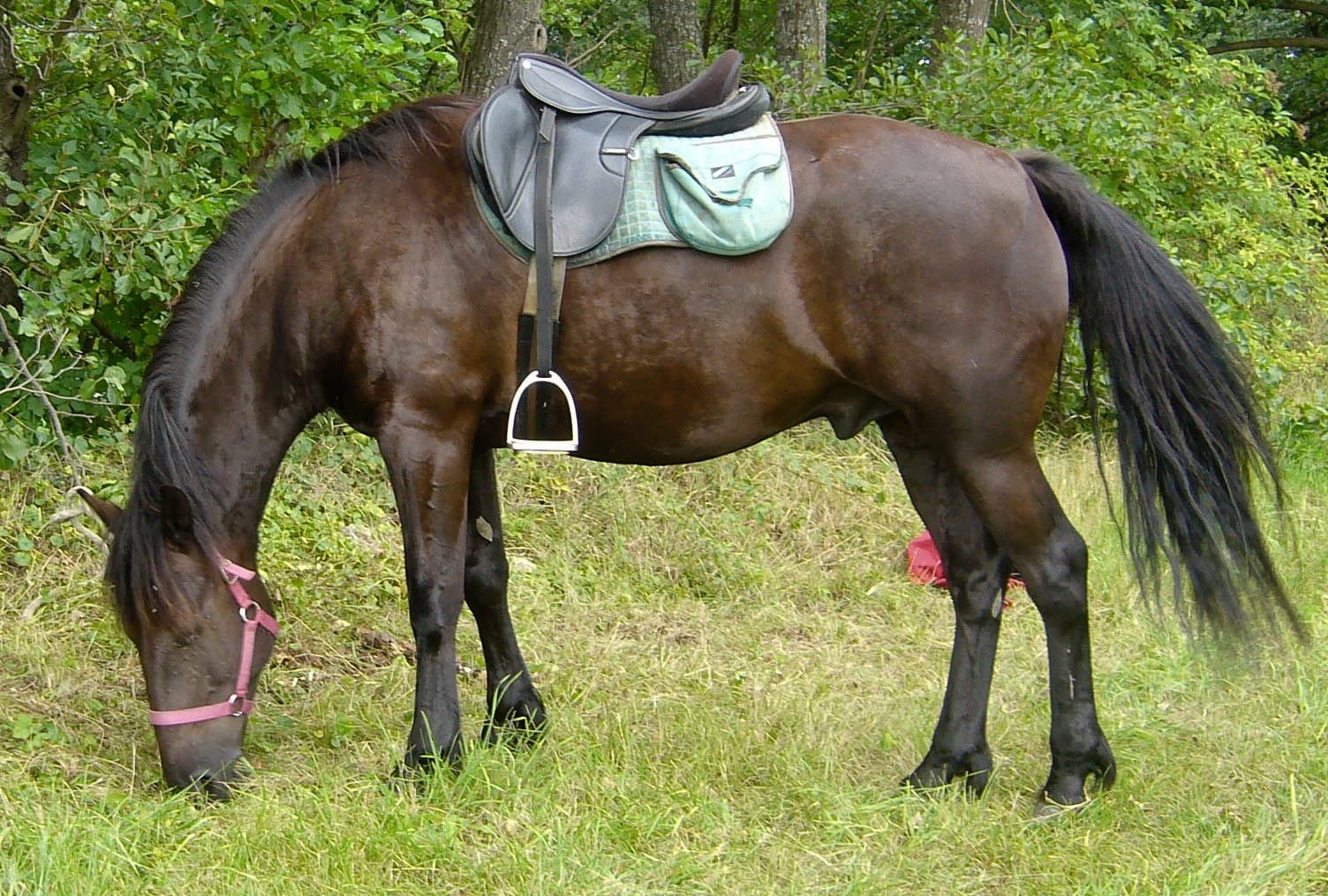
The Auvergne is a compact, versatile bay horse descended from the rural horse populations of the Massif Central.
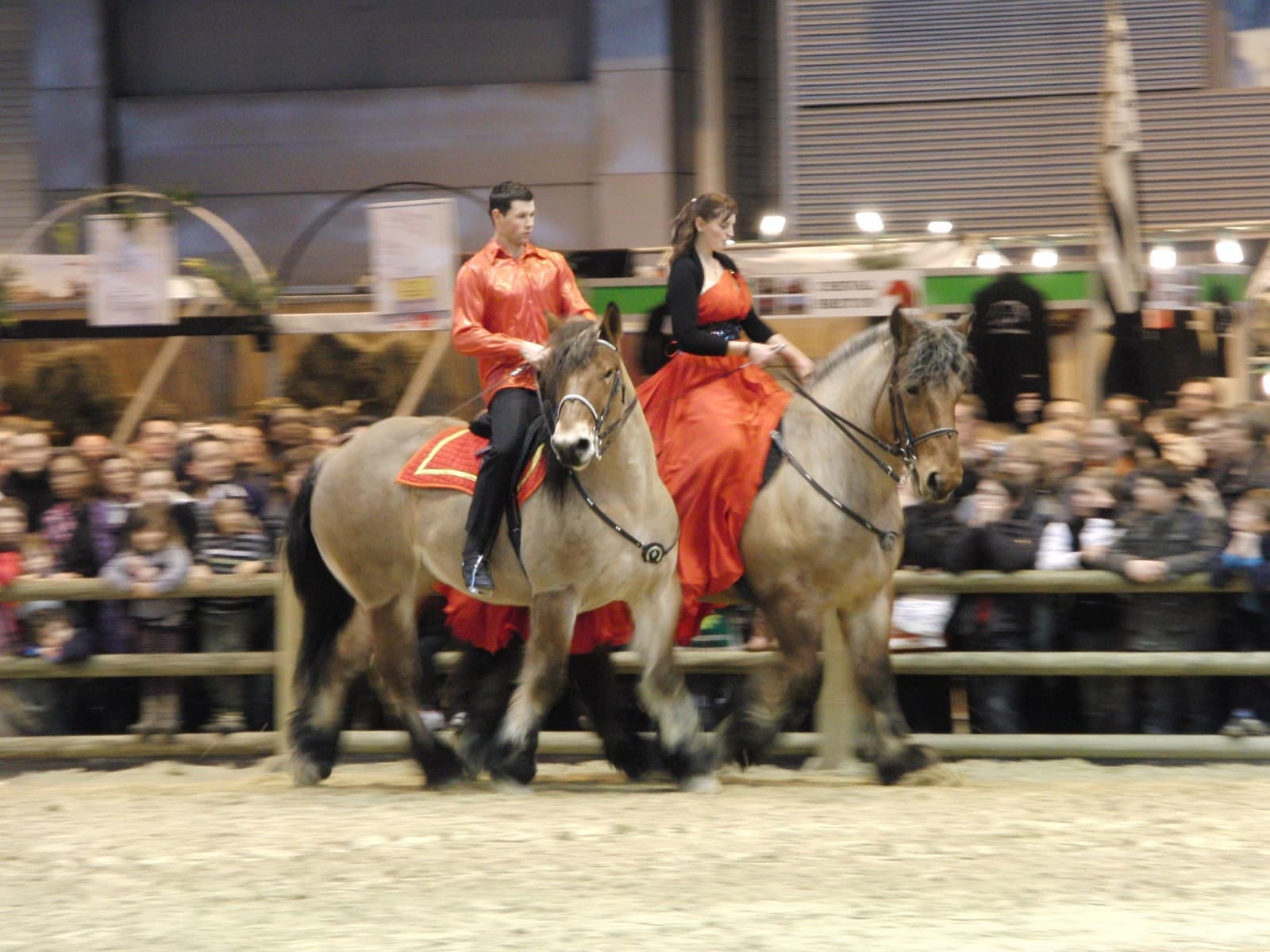
The Auxois is a large Burgundian draught horse selected for traction and long associated with farming.
Sources: Union nationale du cheval de trait Auxois — Règlement et programme de sélection, 29 avril 2023
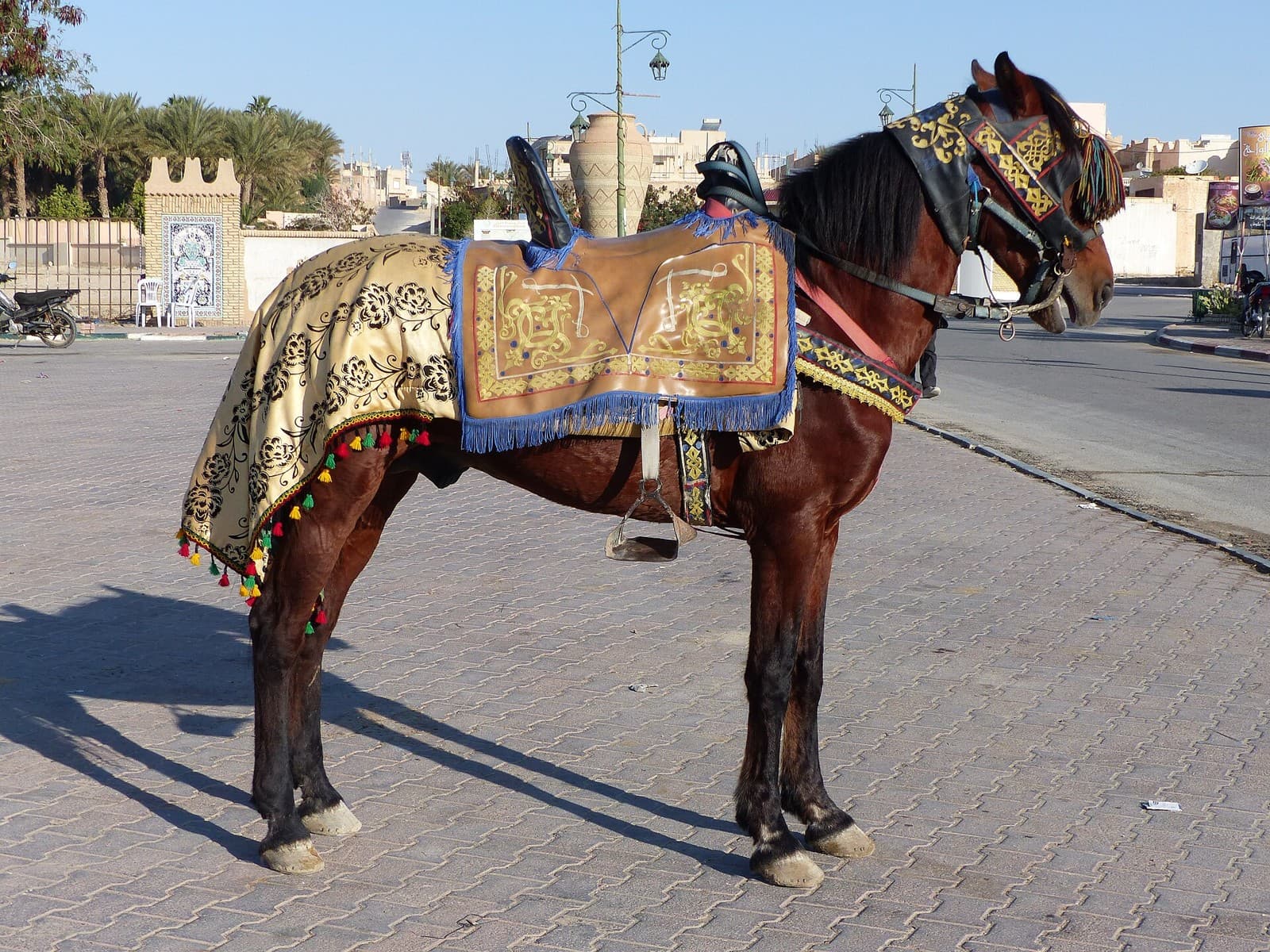
The Barb is a horse from the Maghreb, associated with travel, work and North African riding traditions.
Sources: AFCB / OMCB · IFCE — Écus 2025
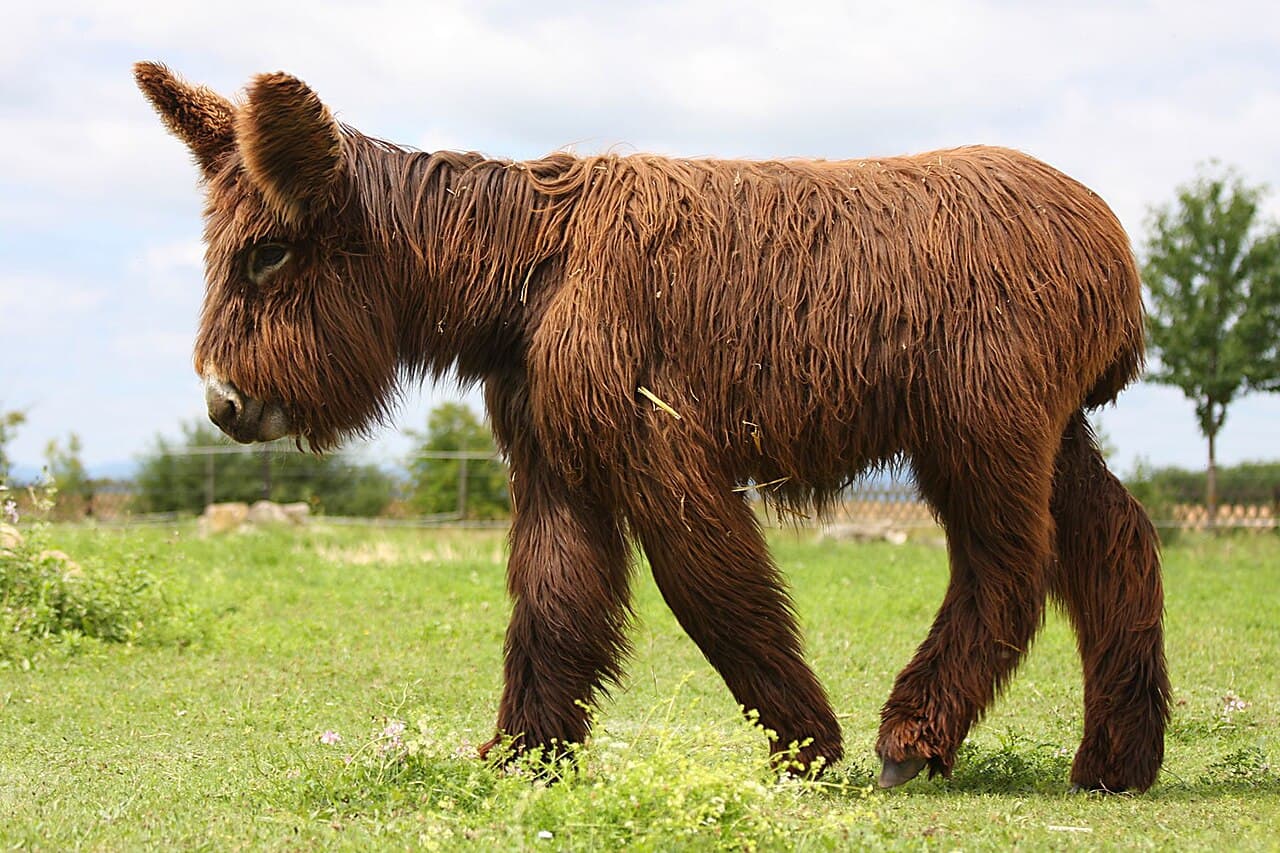
The Poitou is a large donkey breed from western France.
Sources: Races mulassières du Poitou
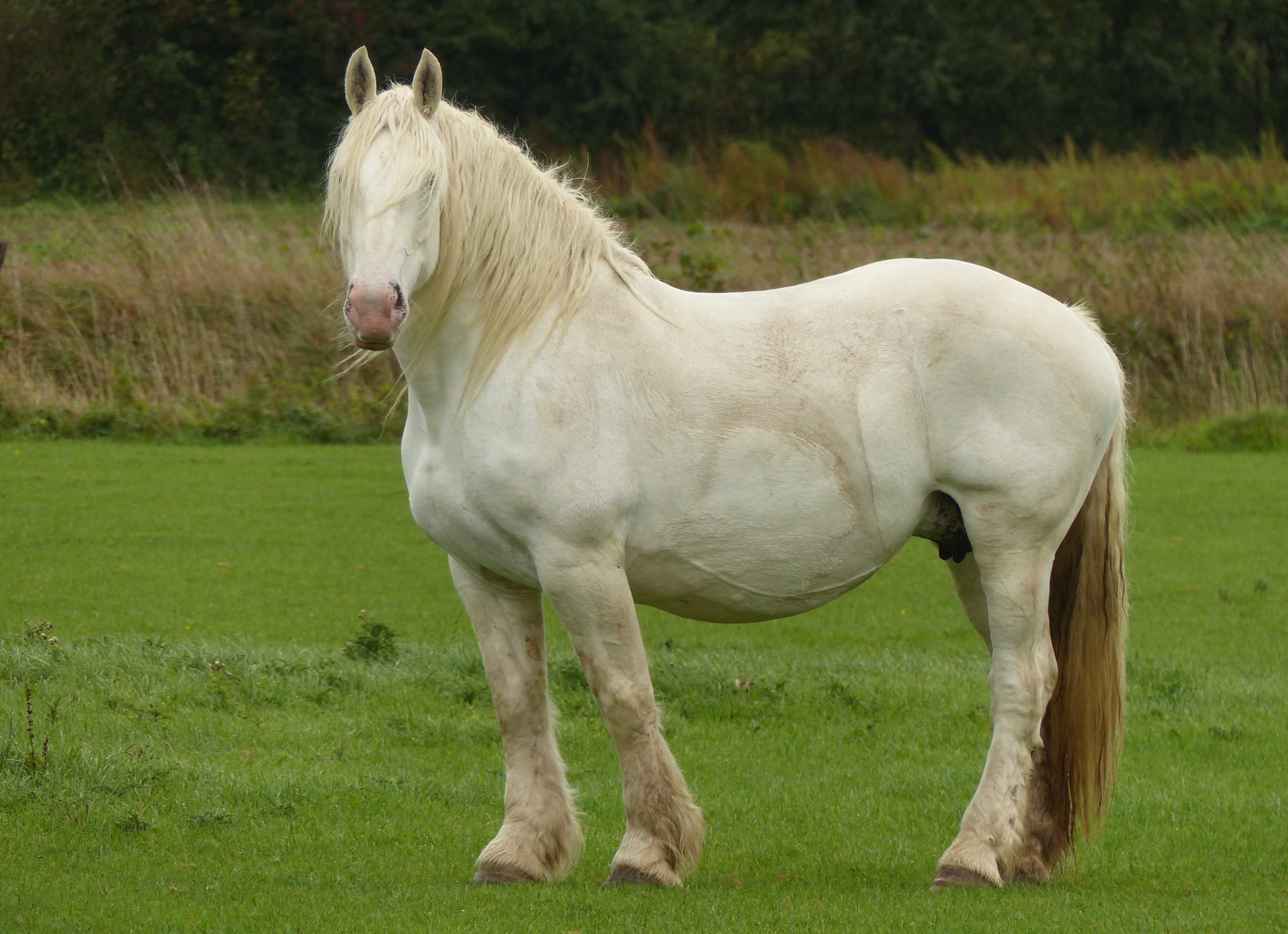
The Boulonnais is a draught horse from the Boulogne-sur-Mer region.
Sources: Syndicat hippique boulonnais — Programme de sélection, octobre 2025
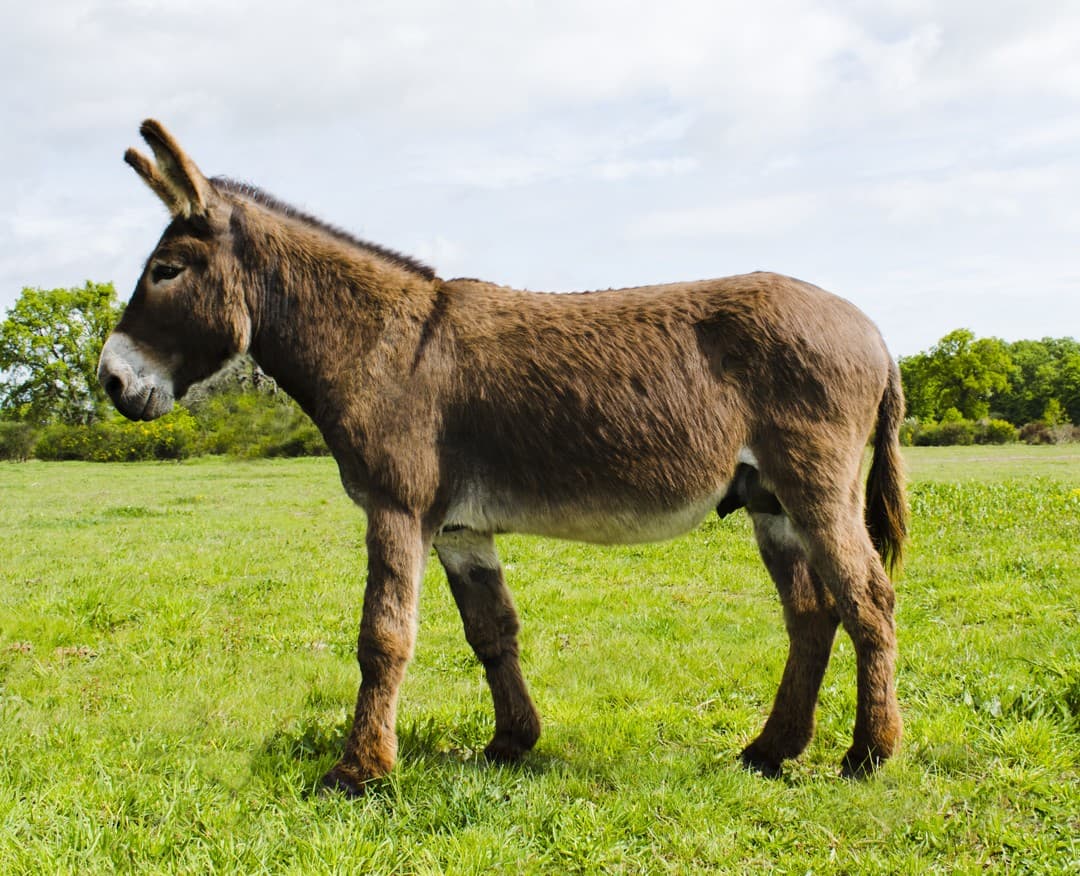
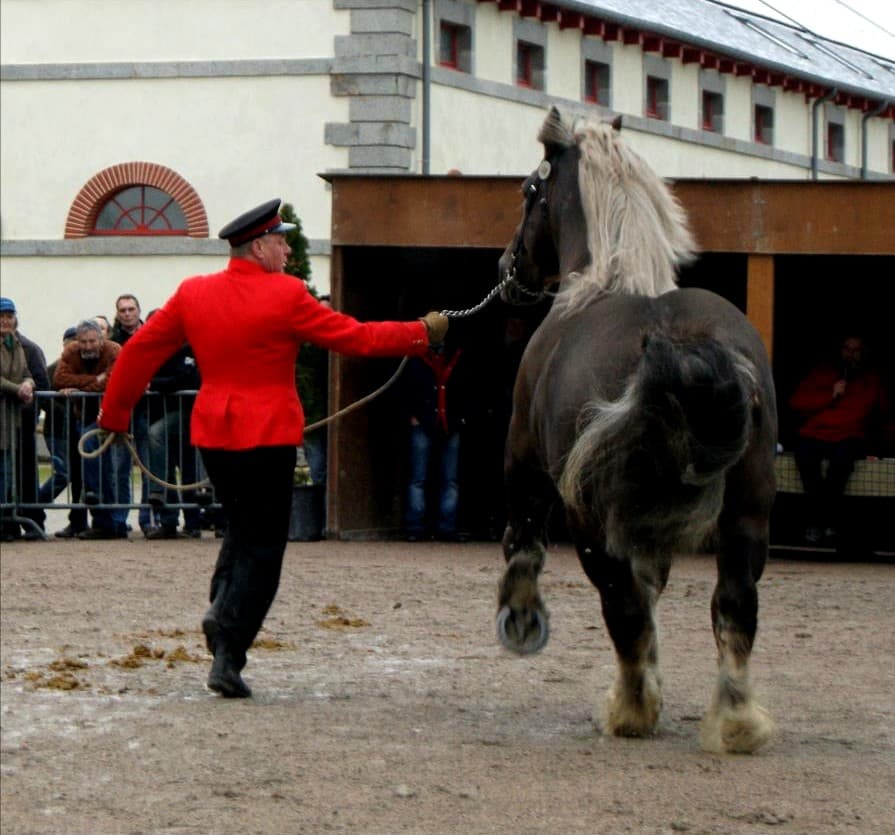
The Breton is a draught horse from Brittany, with a homeland that also includes Loire-Atlantique.
Sources: ANCTB · ANCTB / IFCE — 2025
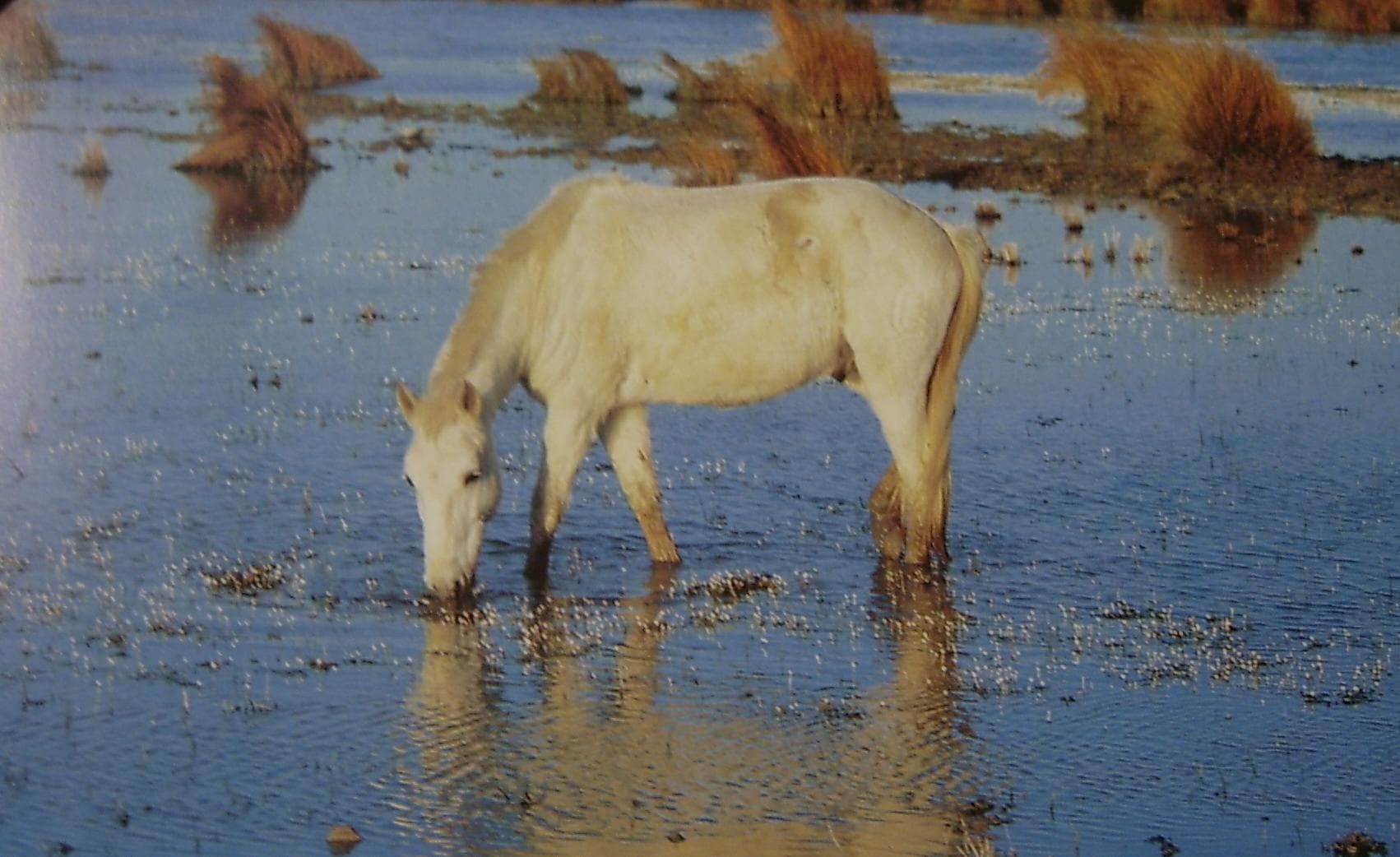
The Camargue is a small riding horse from the Rhône delta, where breeding remains closely linked to wetlands and cattle work.
Sources: AECRC — Programme de sélection du cheval de race Camargue, avril 2024 · AECRC — Origine de l’association
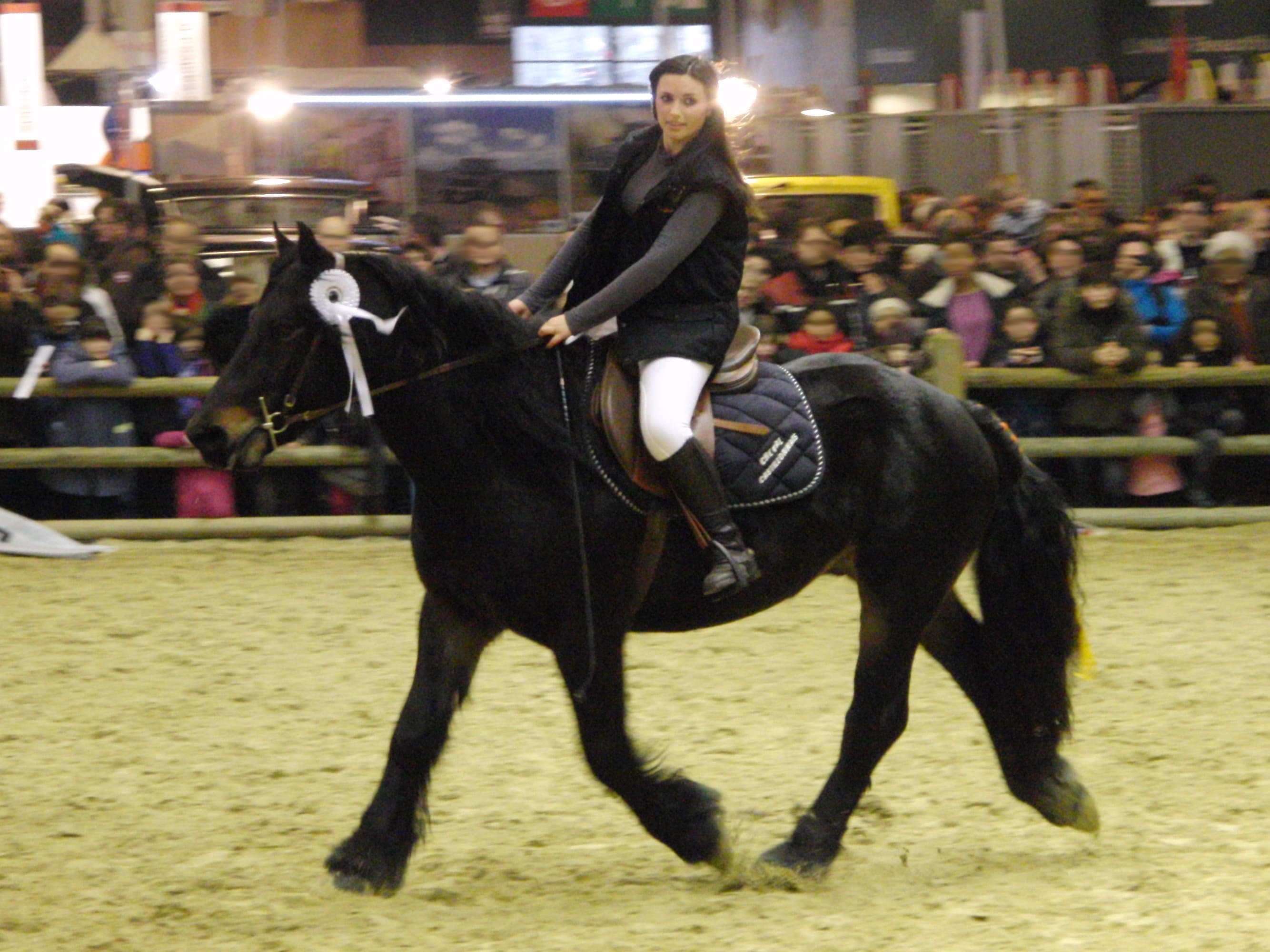
The Castillonnais is a mountain horse from the valleys around Castillon-en-Couserans in western Ariège.
Sources: ANCCAP — Programme de sélection du cheval Castillonnais, V5-2026 · ANCCAP — Le cheval Castillonnais
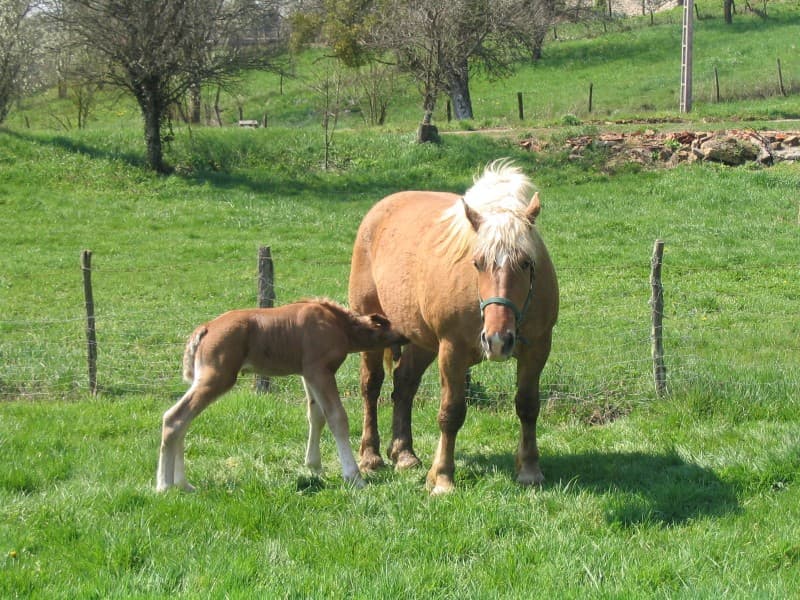
The Comtois is a draught horse from the Jura plateaux in Franche-Comté.
Sources: ANCTC · ANCTC / IFCE — 2026
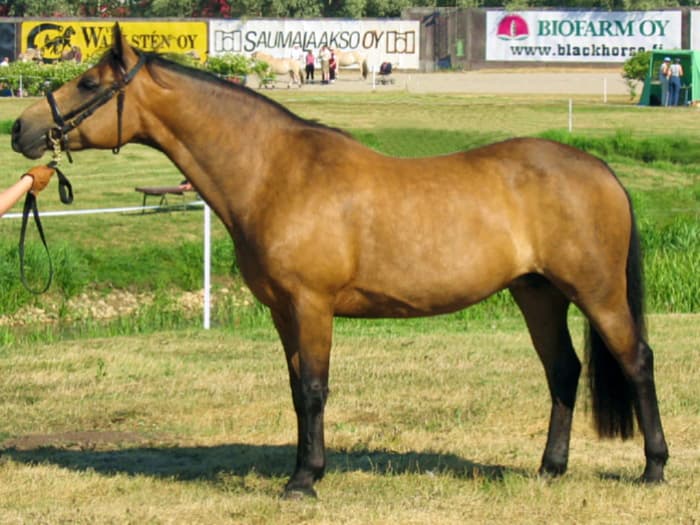
The Connemara is a pony from western Ireland, where the same animals once worked the land, transported produce and carried family members.
Sources: CPBS — Breeding Programme 2025 · British Connemara Pony Society
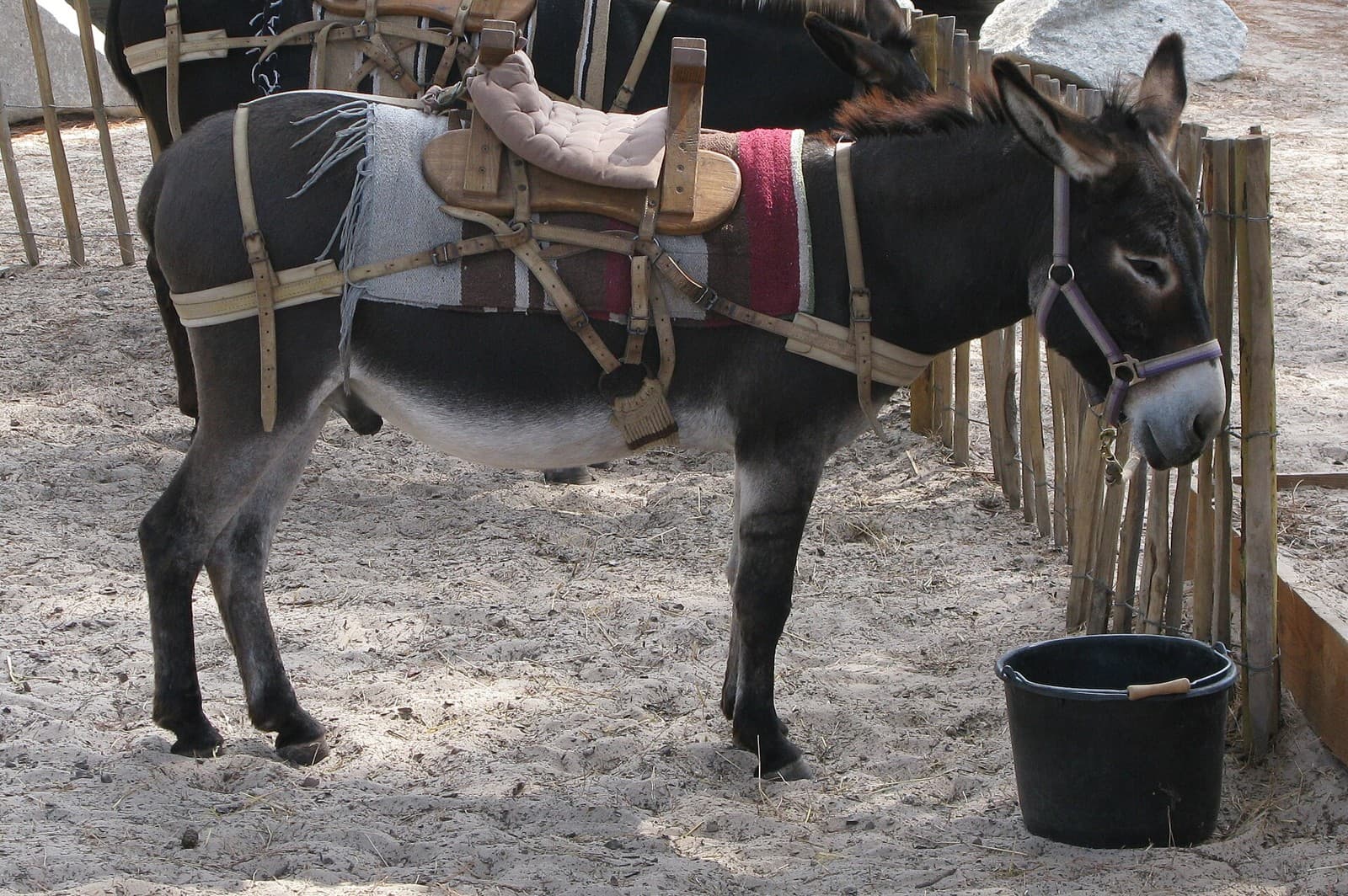
The Corsican donkey is associated with transport and farm work in Corsica.
Sources: U Sumeru Corsu · IFCE — Écus 2025
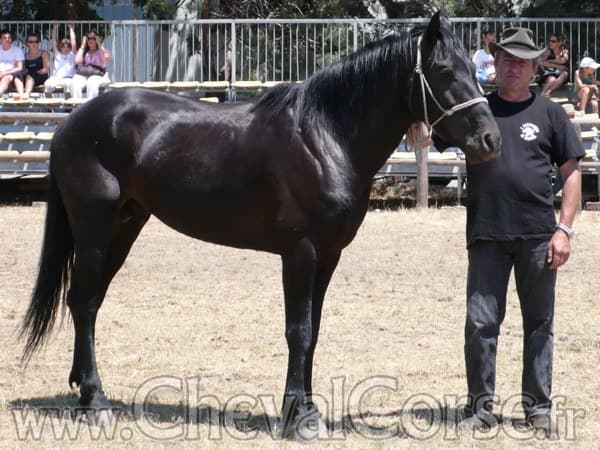
The Corsican horse is a small riding horse associated with the island’s terrain and rural life.
Sources: U Cavallu Corsu — Règlement et programme de sélection, 2023
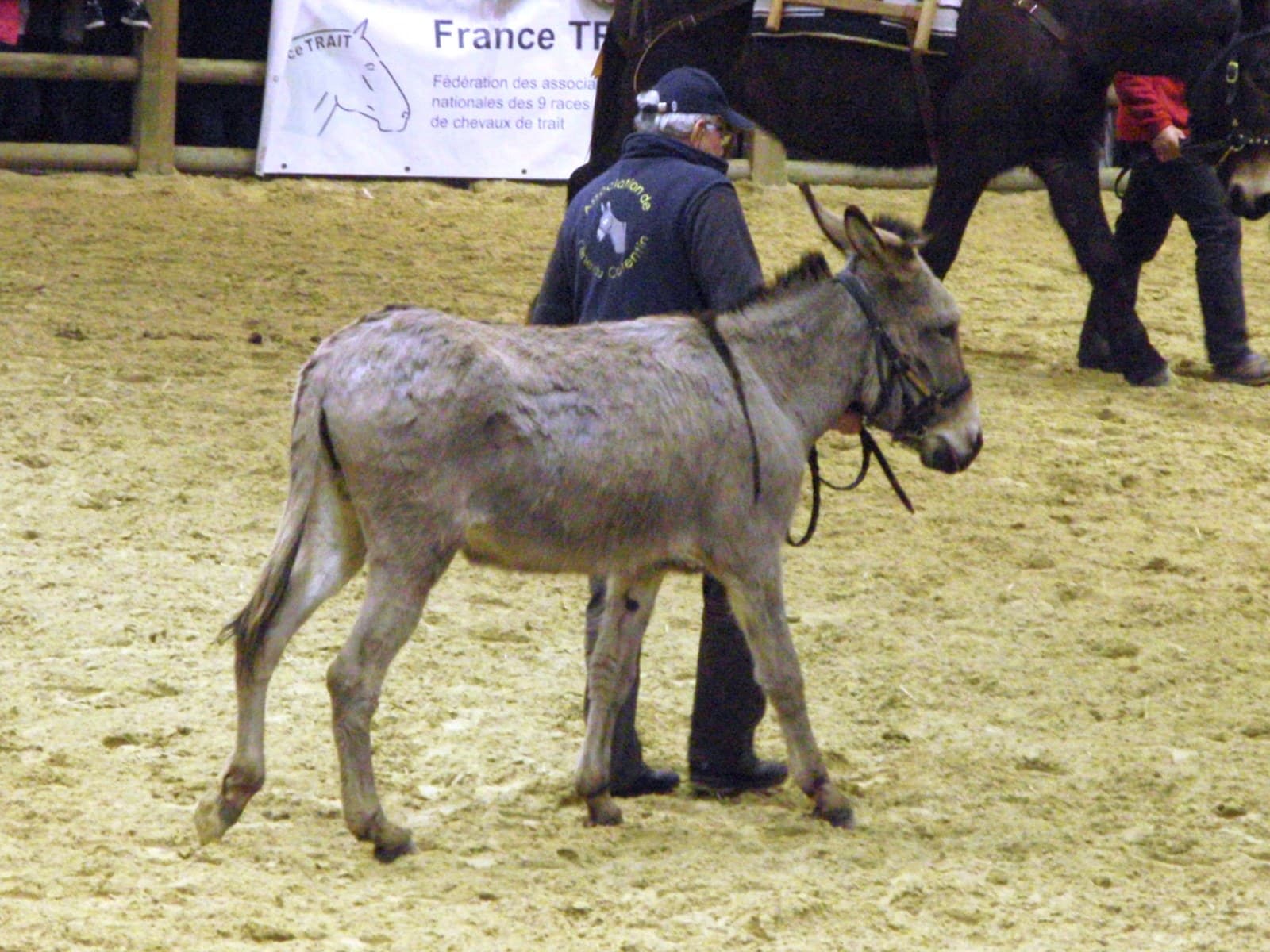
The Cotentin donkey is a Normandy breed with a dove-grey coat, a dark cross and pale points.
Sources: Association de l’âne du Cotentin — Règlement et programme de sélection, document diffusé en 2024
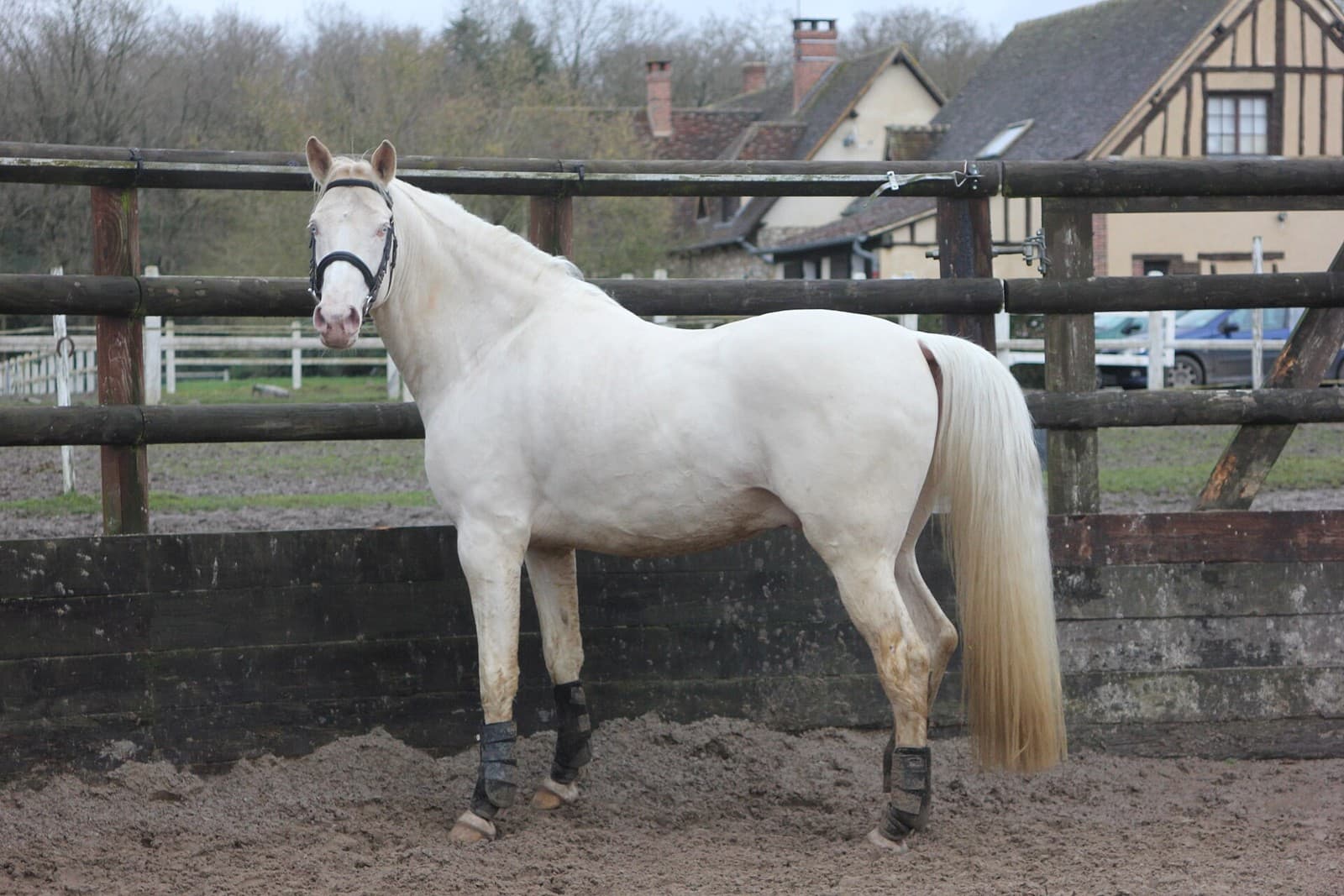
The Crème horse is bred for riding qualities and a pale coat associated with cream dilution.
Sources: AFCC · IFCE — Écus 2025
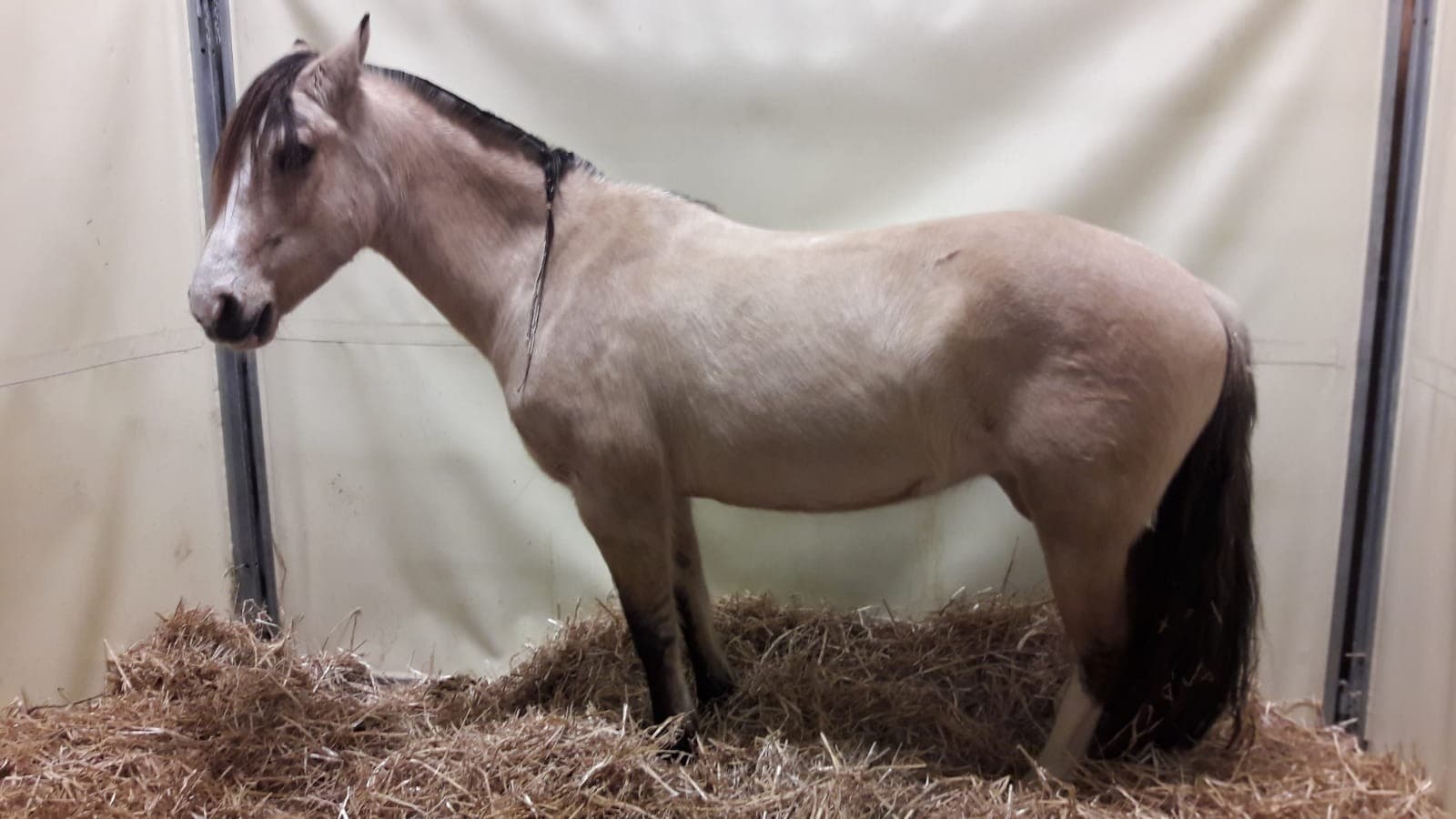
The Criollo developed from horses introduced by Europeans to South America and subsequently bred in varied environments.
Sources: AFECC
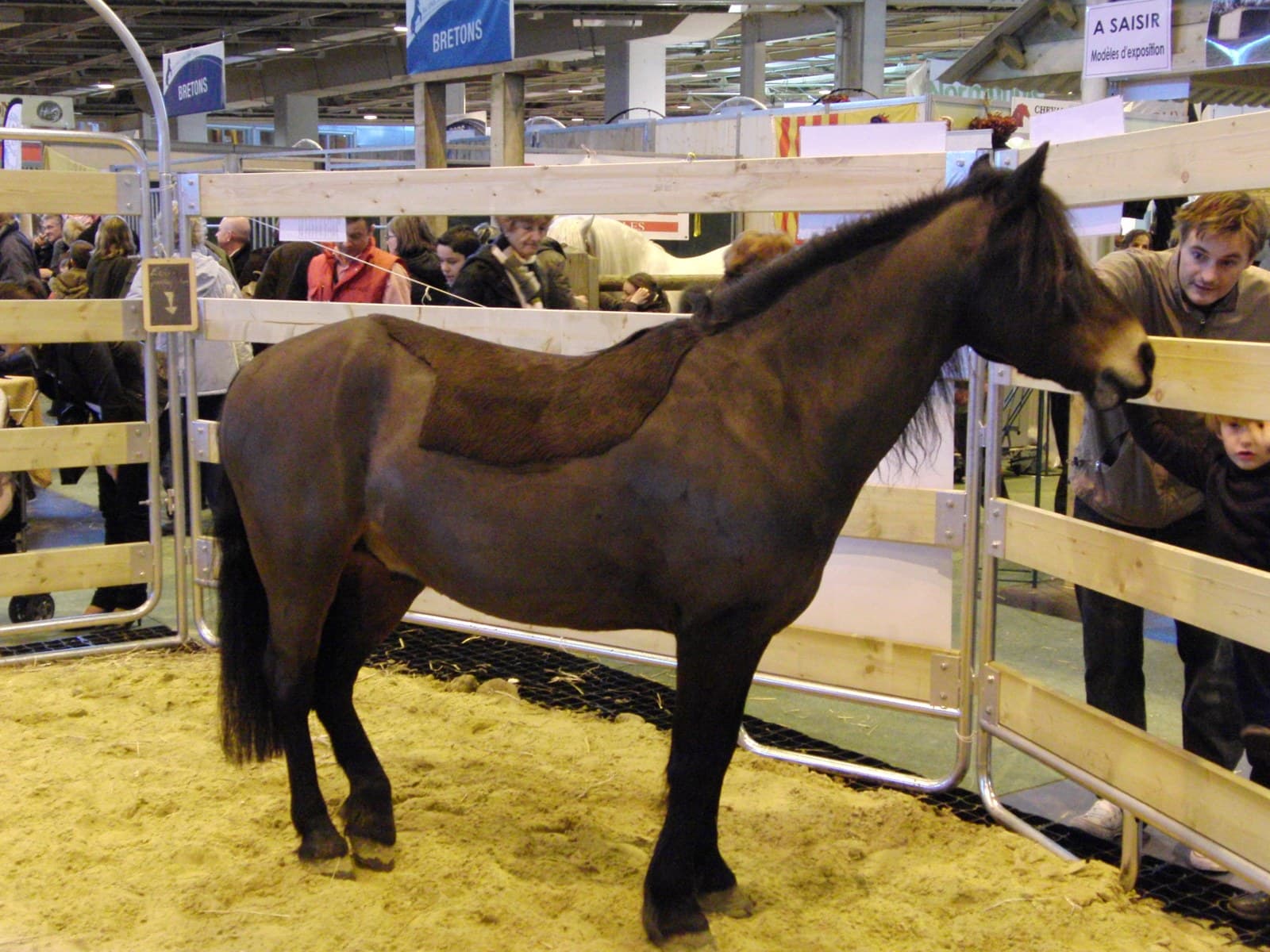
The Dartmoor is a small, sturdy British pony used for riding and driving.
Sources: Association française du poney Dartmoor — Règlement et programme de sélection, 2024
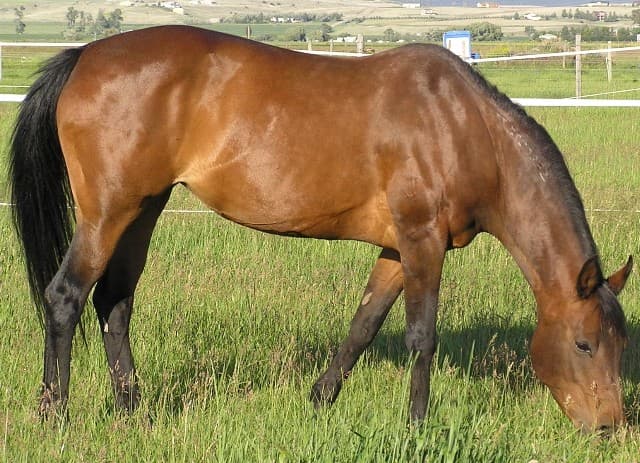
The Demi-sang Arabe, or DSA, brings together crossbred horses with recorded Arabian ancestry.
Sources: ACA · IFCE — Écus 2025
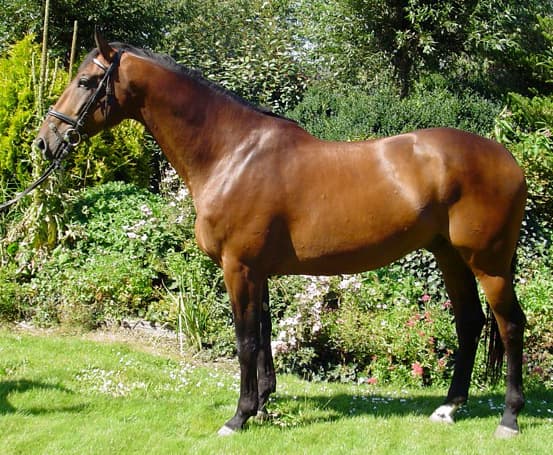
The Dutch Warmblood is a sport horse developed in the Netherlands. KWPN is the Dutch abbreviation for its royal studbook, the registry that records horses and their ancestry.
Sources: KWPN — Historie · KWPN — Breeding directions · KWPN — Registration regulations, 2021 · Avila et al. — Genes, 2022
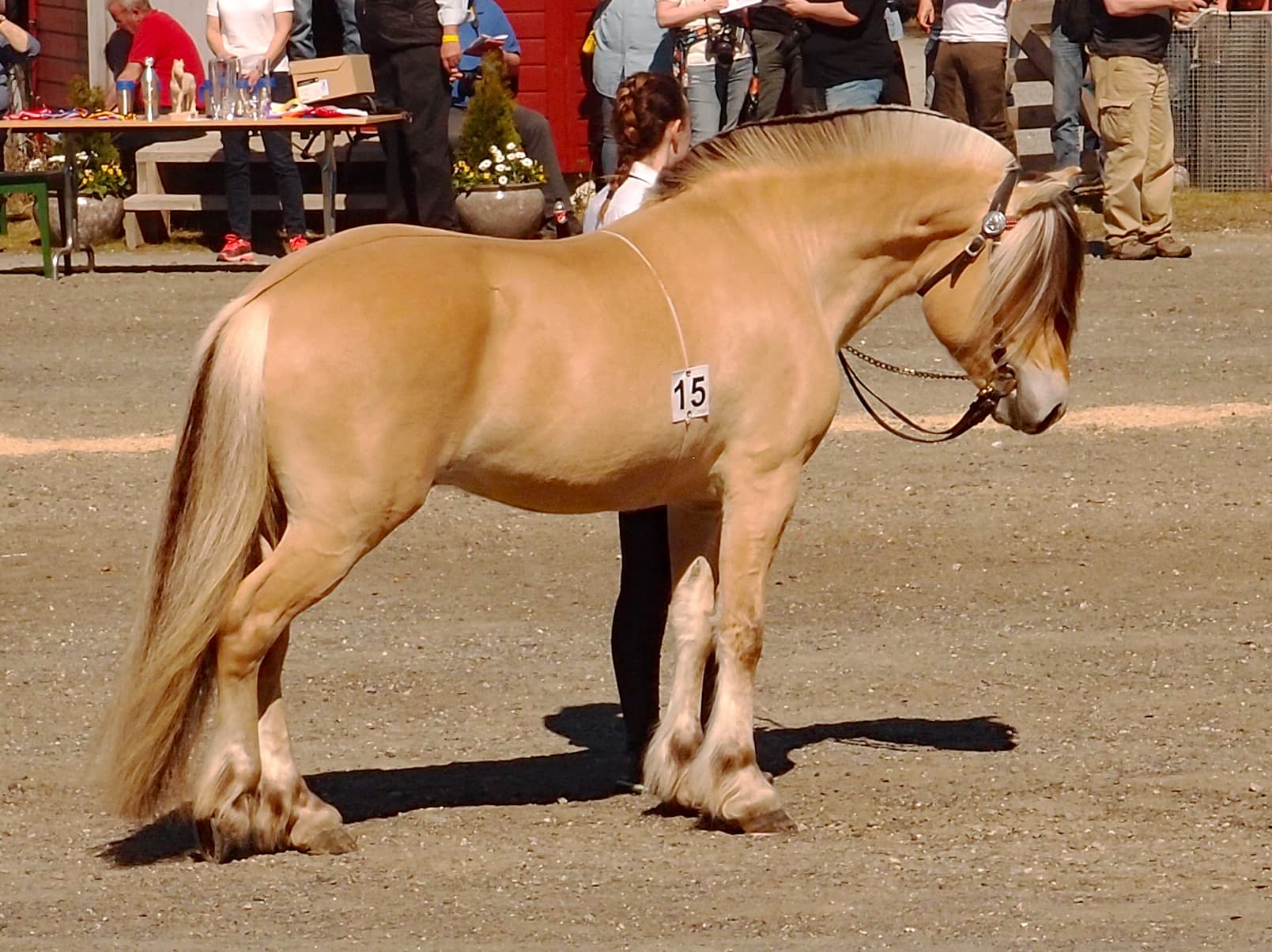
The Fjord is a small horse from western Norway, long used for farm work and transport.
Sources: Norges Fjordhestlag — Breeding plan 2026 · AFCF — Programme de sélection, 31 août 2024
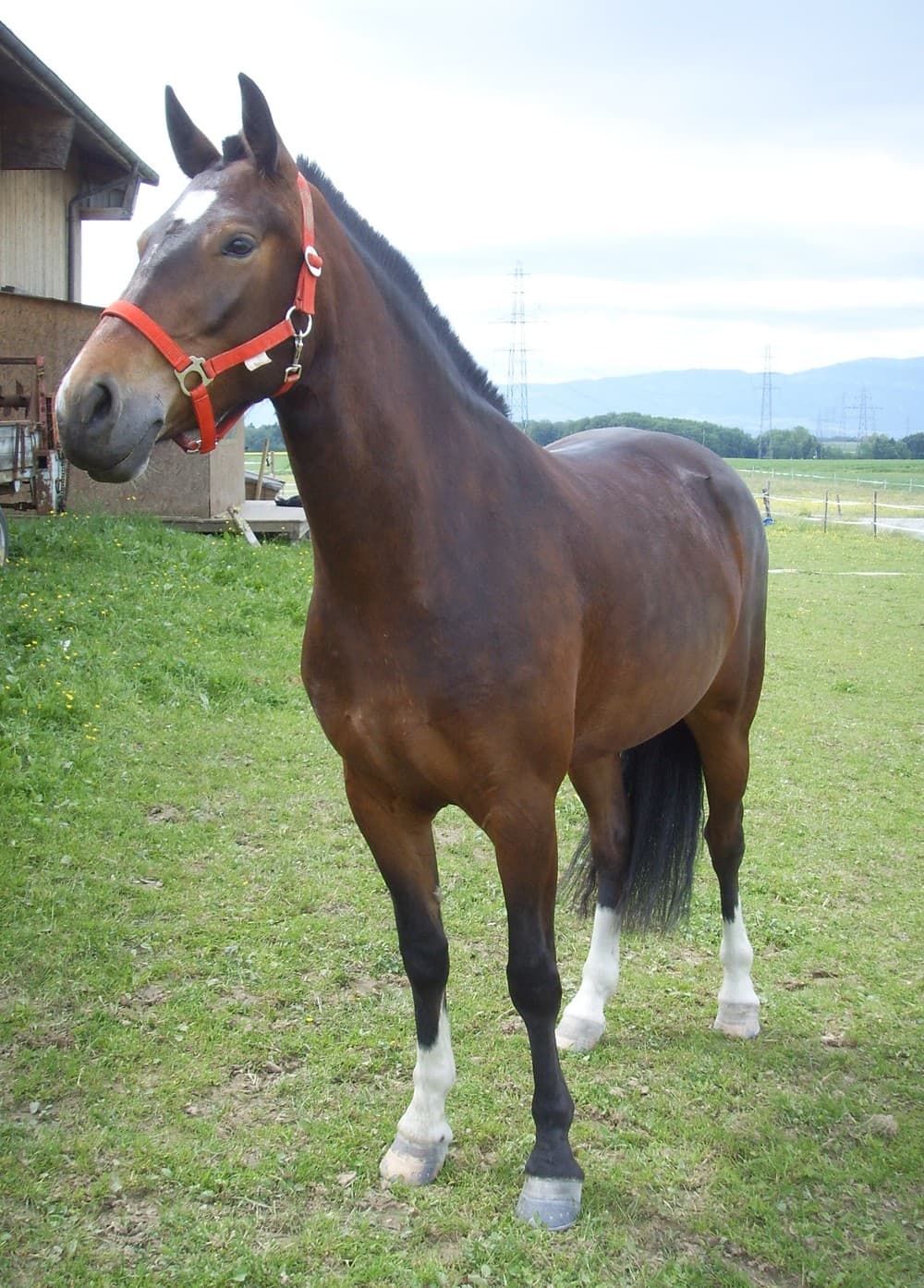
The Franches-Montagnes, also known as the Freiberger, is a riding and driving horse from the Swiss Jura.
Sources: AFMF / FSFM · FSFM — 2026
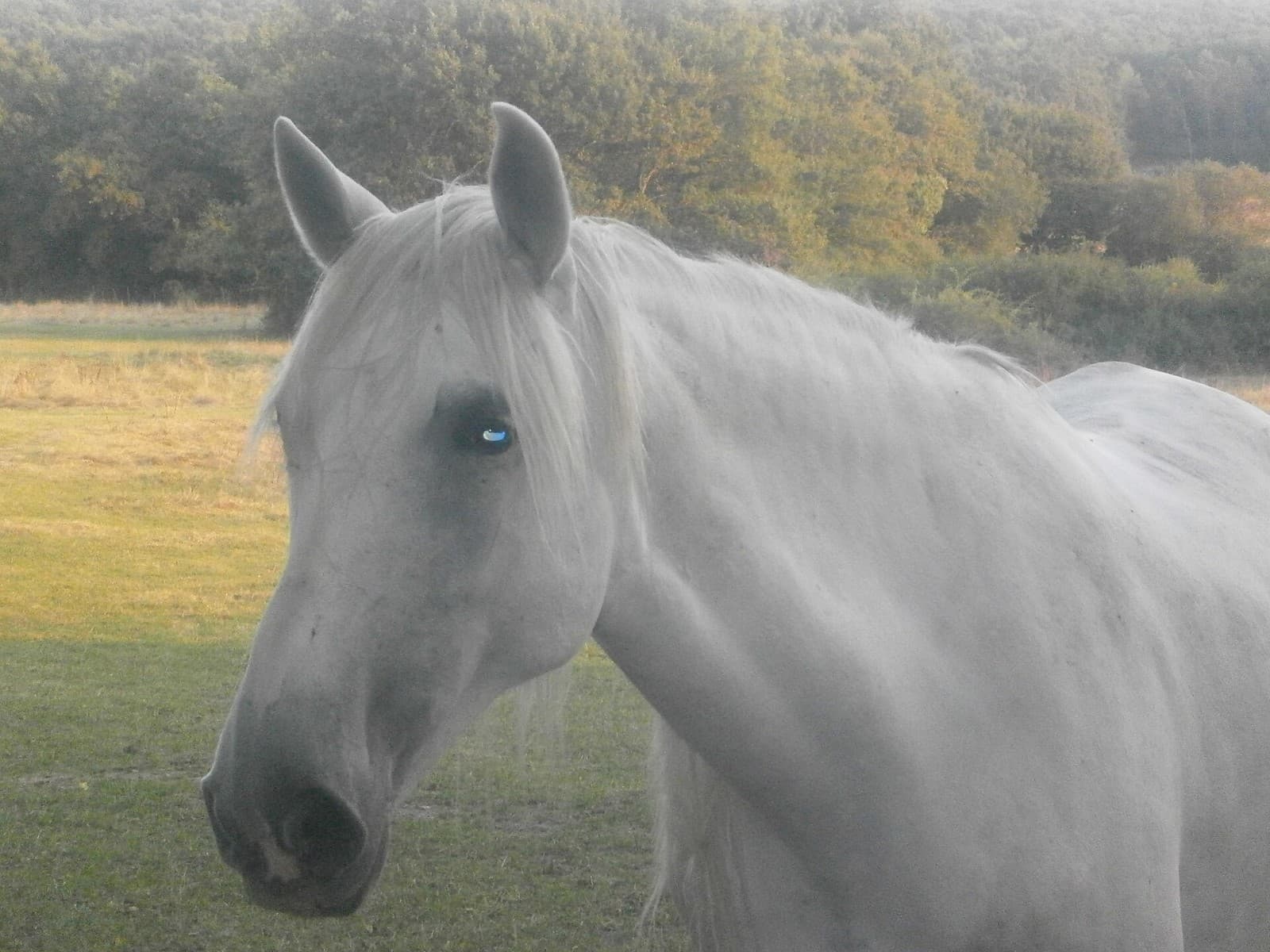
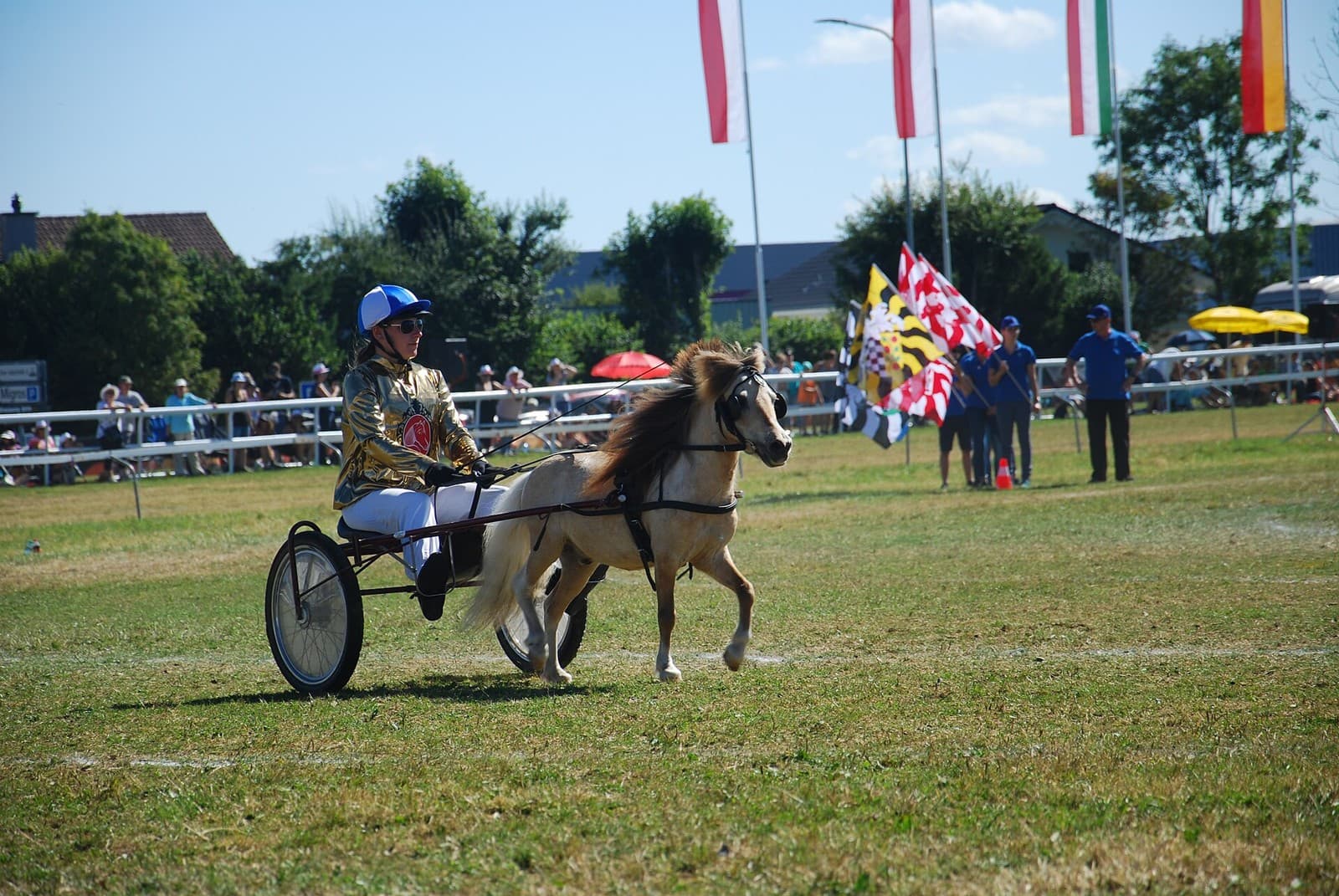
The French Miniature Horse, or CMF, is a small horse bred for balanced proportions and easy movement.
Sources: AFCM
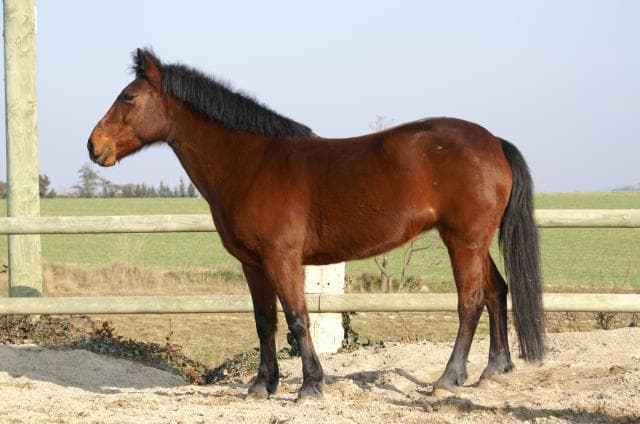
The French Saddle Pony is a sport pony developed by crossing several breeds.
Sources: ANPFS — Programme de sélection · ANPFS — La race
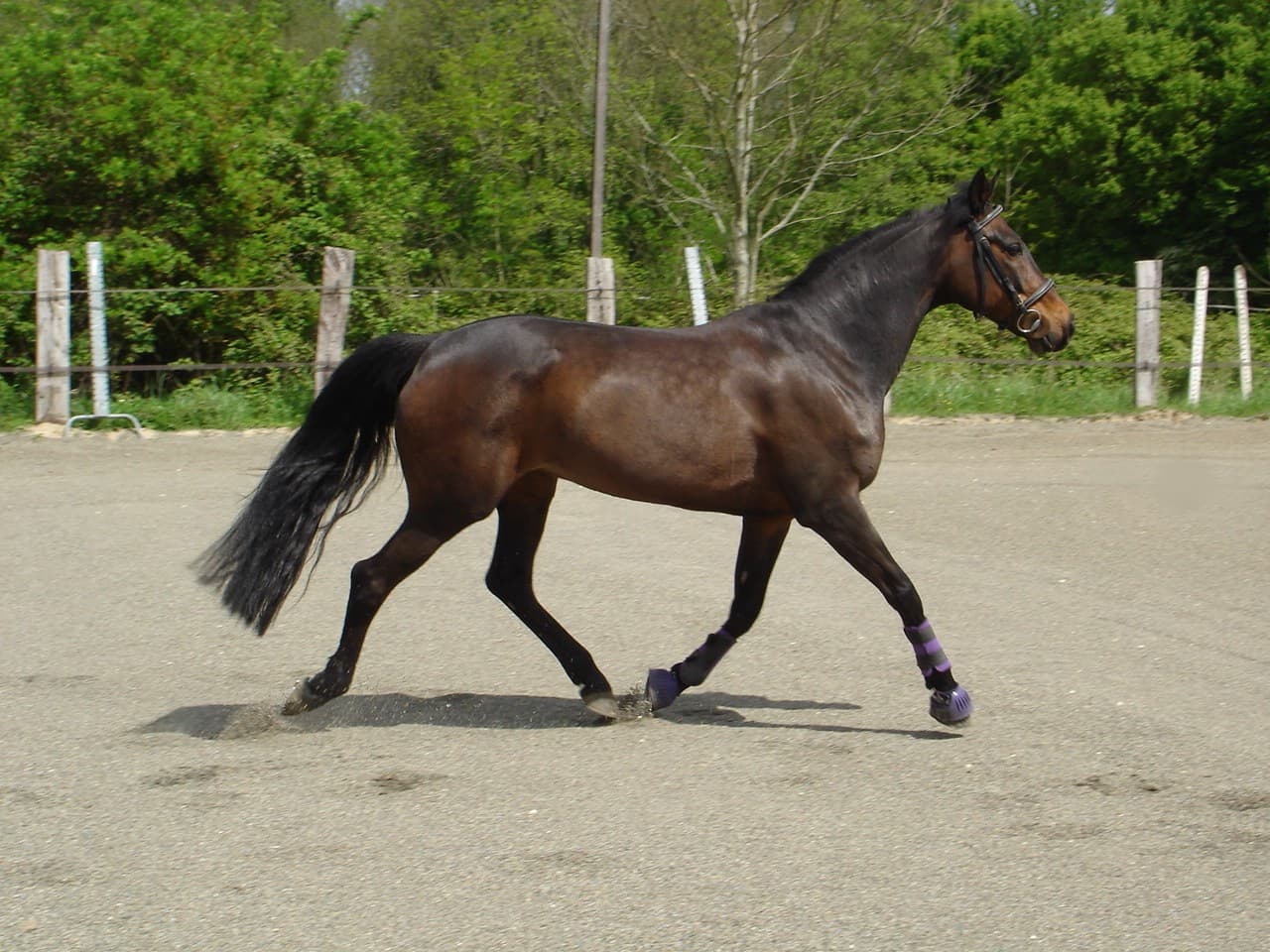
The French Trotter is bred to race at speed while maintaining a trot, either pulling a sulky, a light two-wheeled vehicle, or carrying a jockey.
Sources: SETF — Programme de sélection et règlement de monte 2026
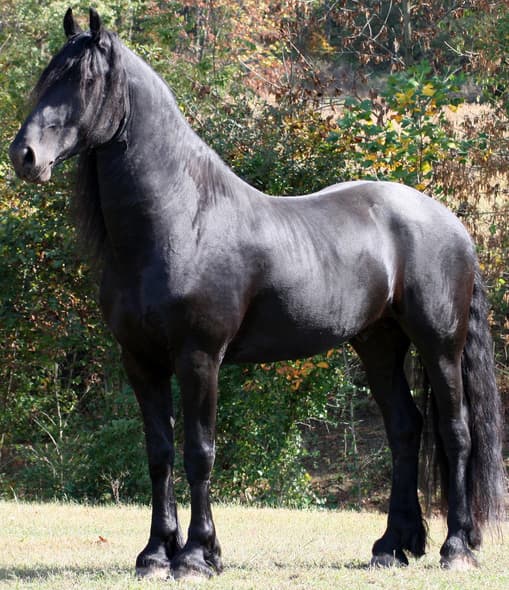
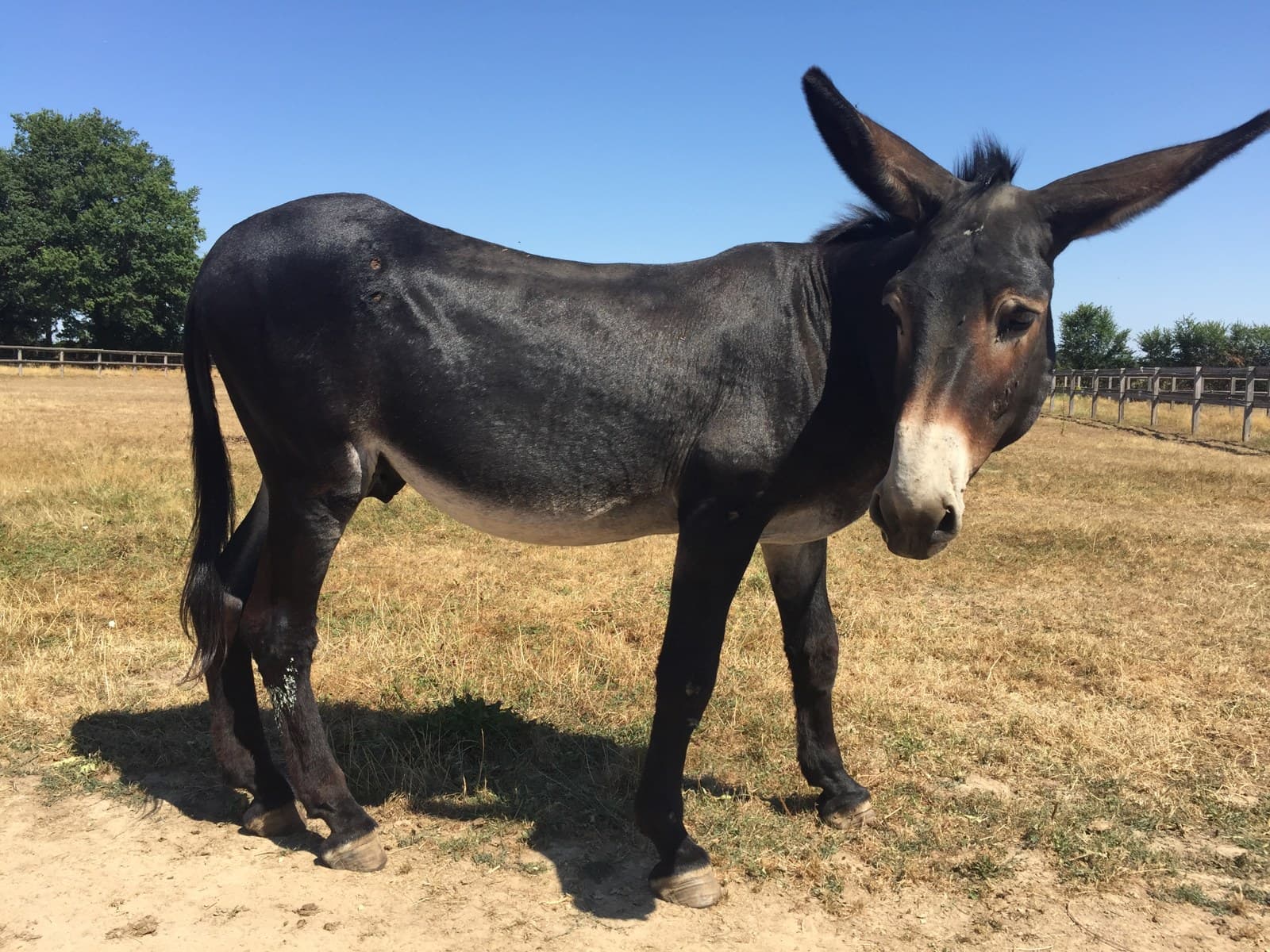
The Grand Noir du Berry is a tall donkey with a black coat and pale areas on the muzzle, around the eyes and beneath the body.
Origin: Historic Tyrol, particularly South Tyrol · Historic Tyrol (Austria and Italy)
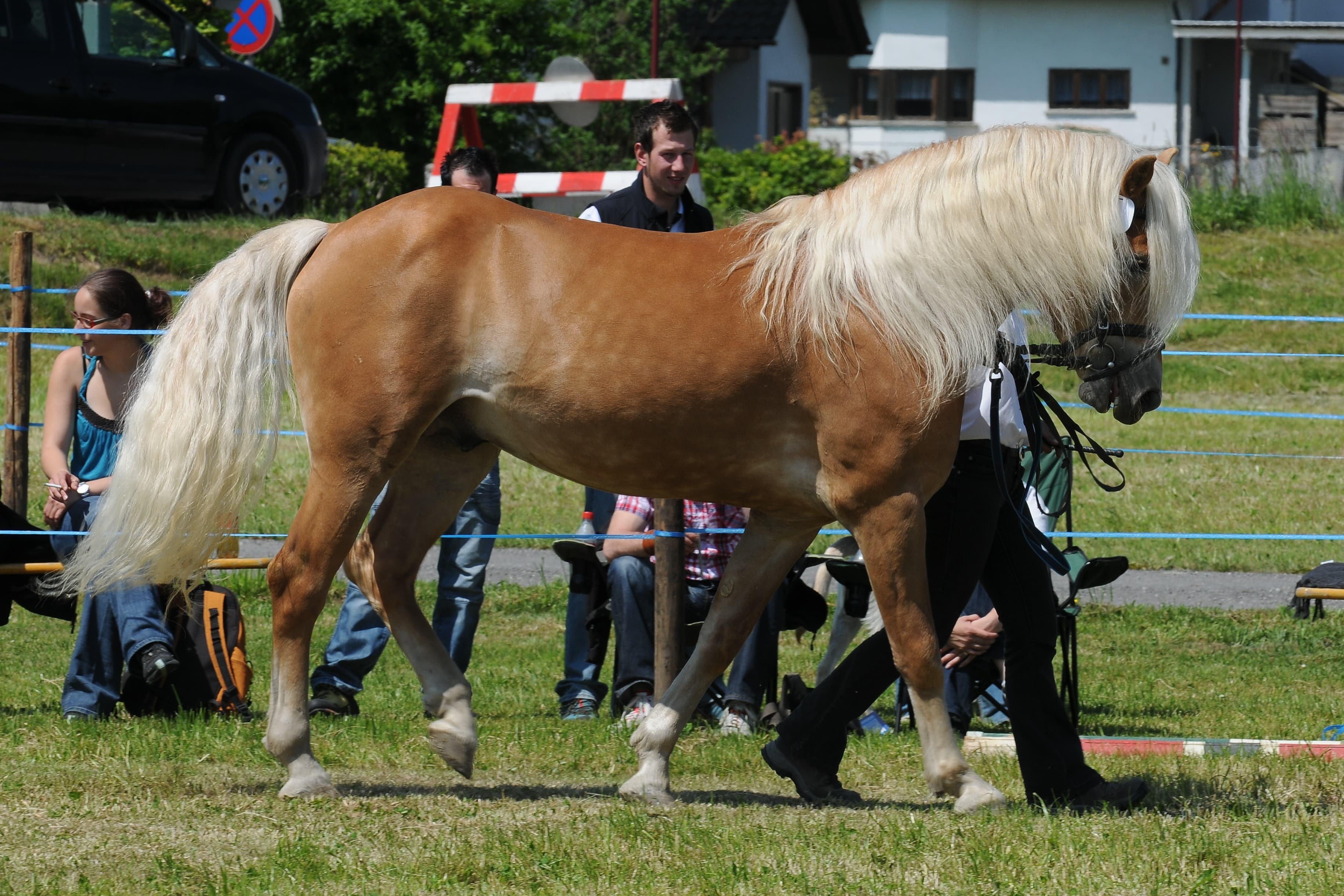
The Haflinger is a small Alpine horse recognised by its chestnut coat and light mane and tail.
Sources: Haflinger Pferdezuchtverband Tirol · ANACRHAI — Storia della razza
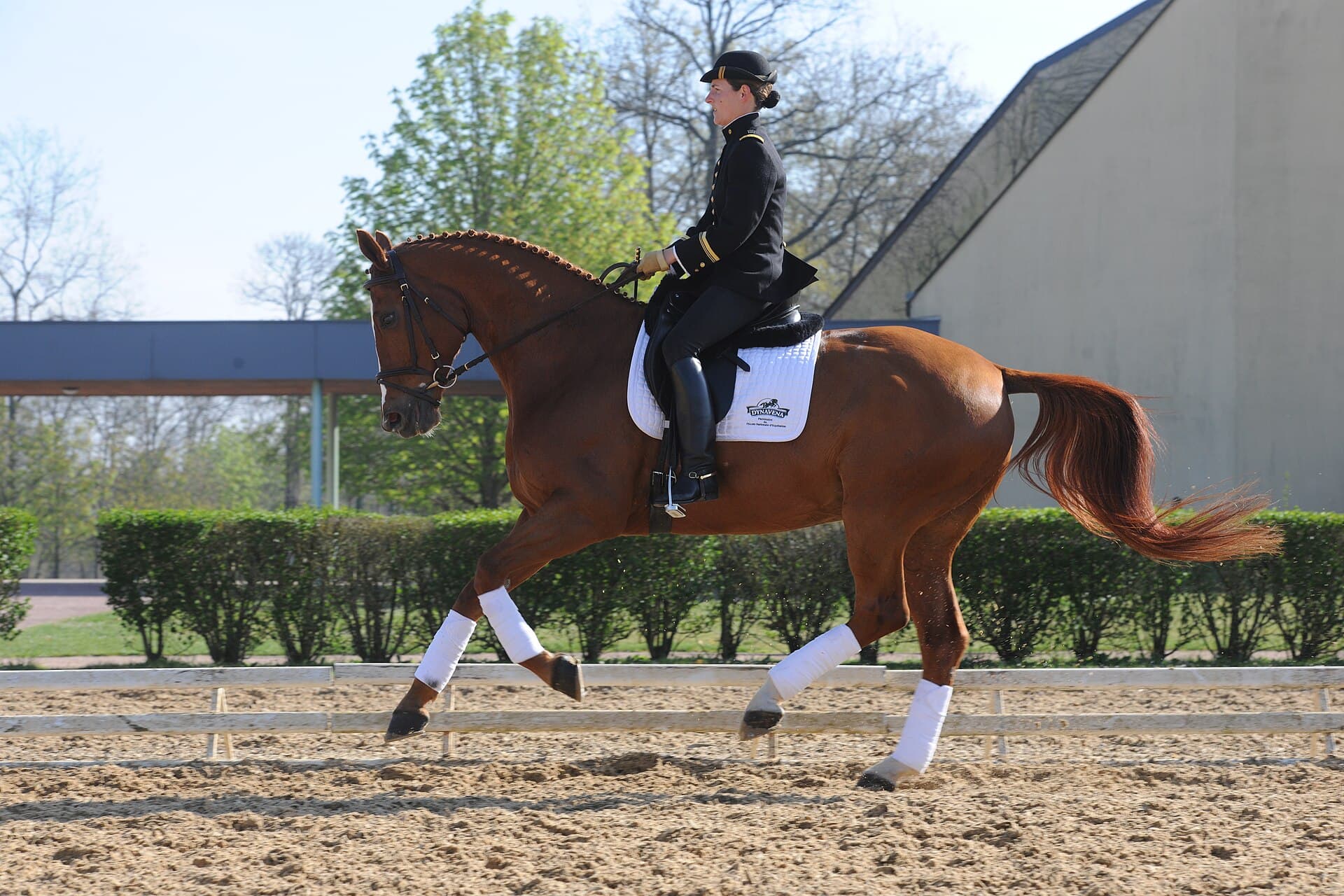
The Hanoverian is a sport horse from northern Germany. Breeders combine recorded pedigrees, inspections and performance results when selecting future breeding horses.
Sources: Hannoveraner Verband — Breeding programme, 2025 · Hannoveraner Verband — Breeding programs · Avila et al. — Genes, 2022
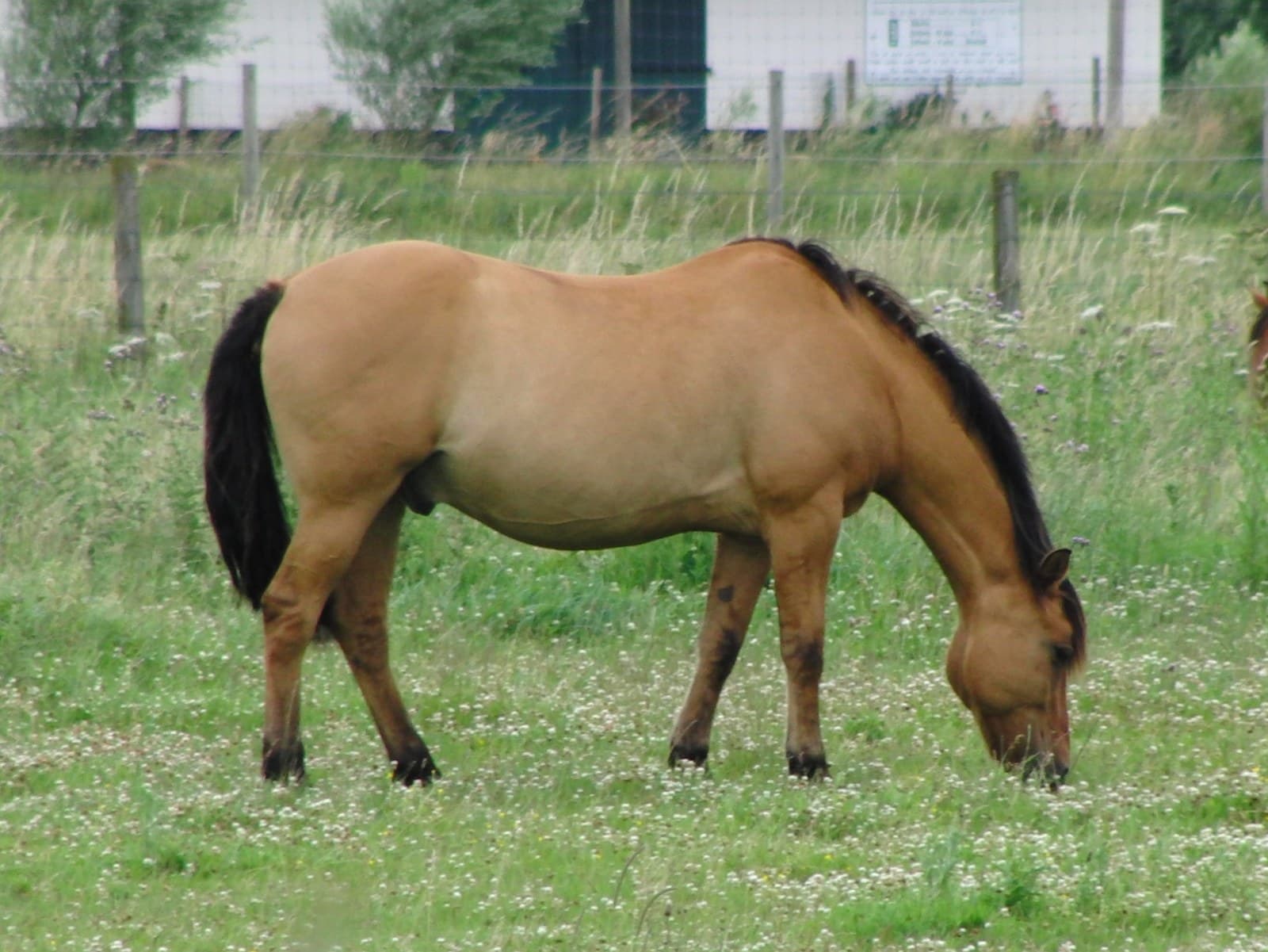
The Henson is a leisure horse developed around Somme Bay for trail riding and other outdoor rides.
Sources: Association du cheval Henson — Règlement et programme de sélection, juillet 2023
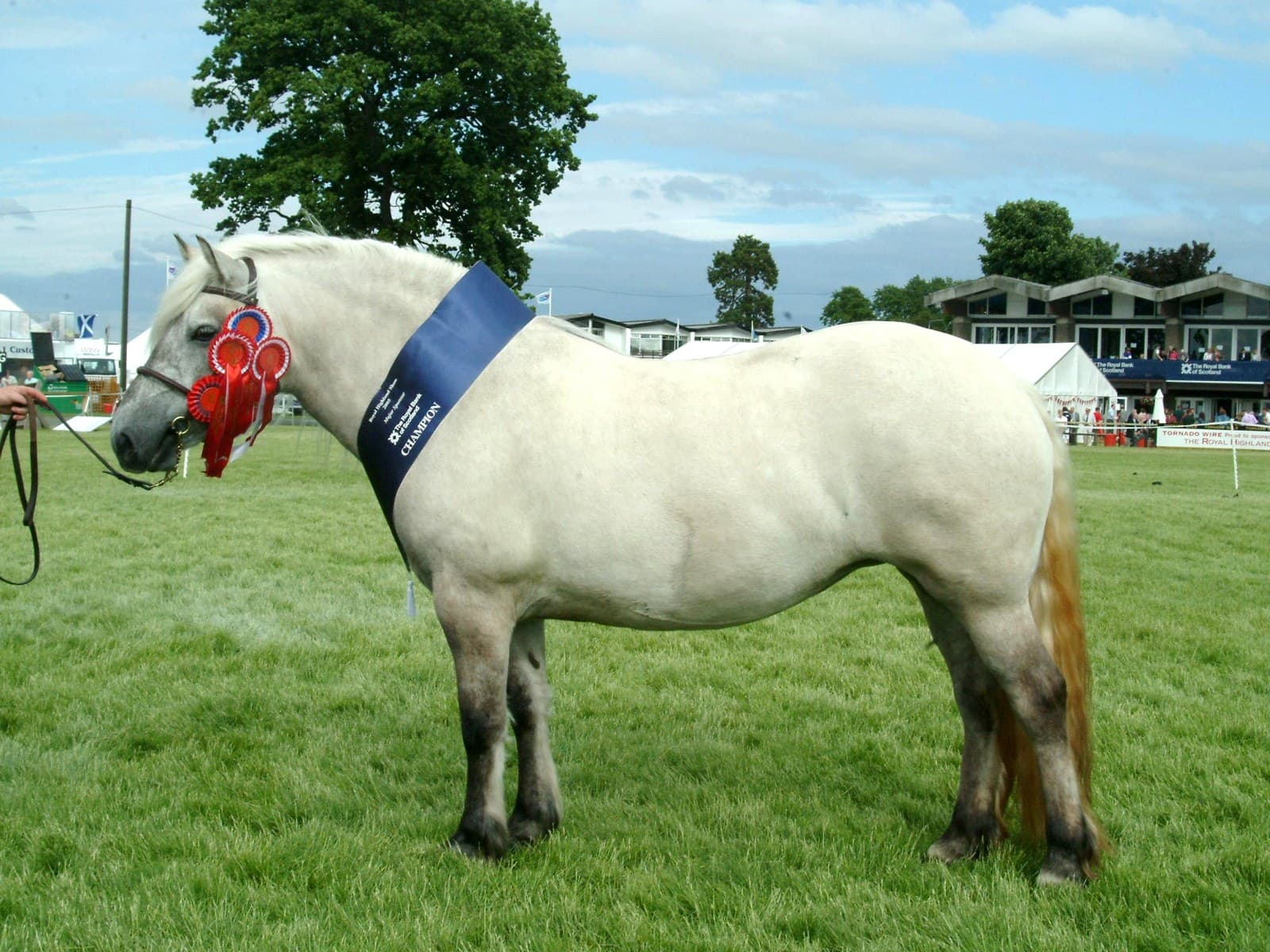
The Highland is a compact Scottish pony with substantial bone and a dense winter coat.
Sources: Association française du poney Highland — Règlement et programme de sélection, 2023
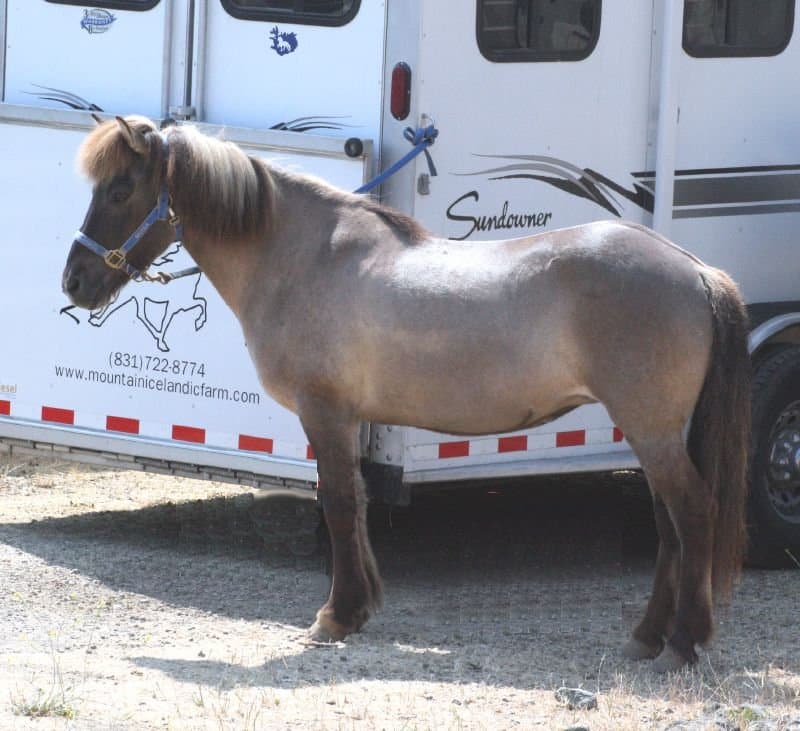
The Icelandic is a small riding horse whose history is intertwined with Iceland’s settlement and rural life.
Sources: FEIF — Breeding Rules and Regulations 2026 · FEIF — WorldFengur
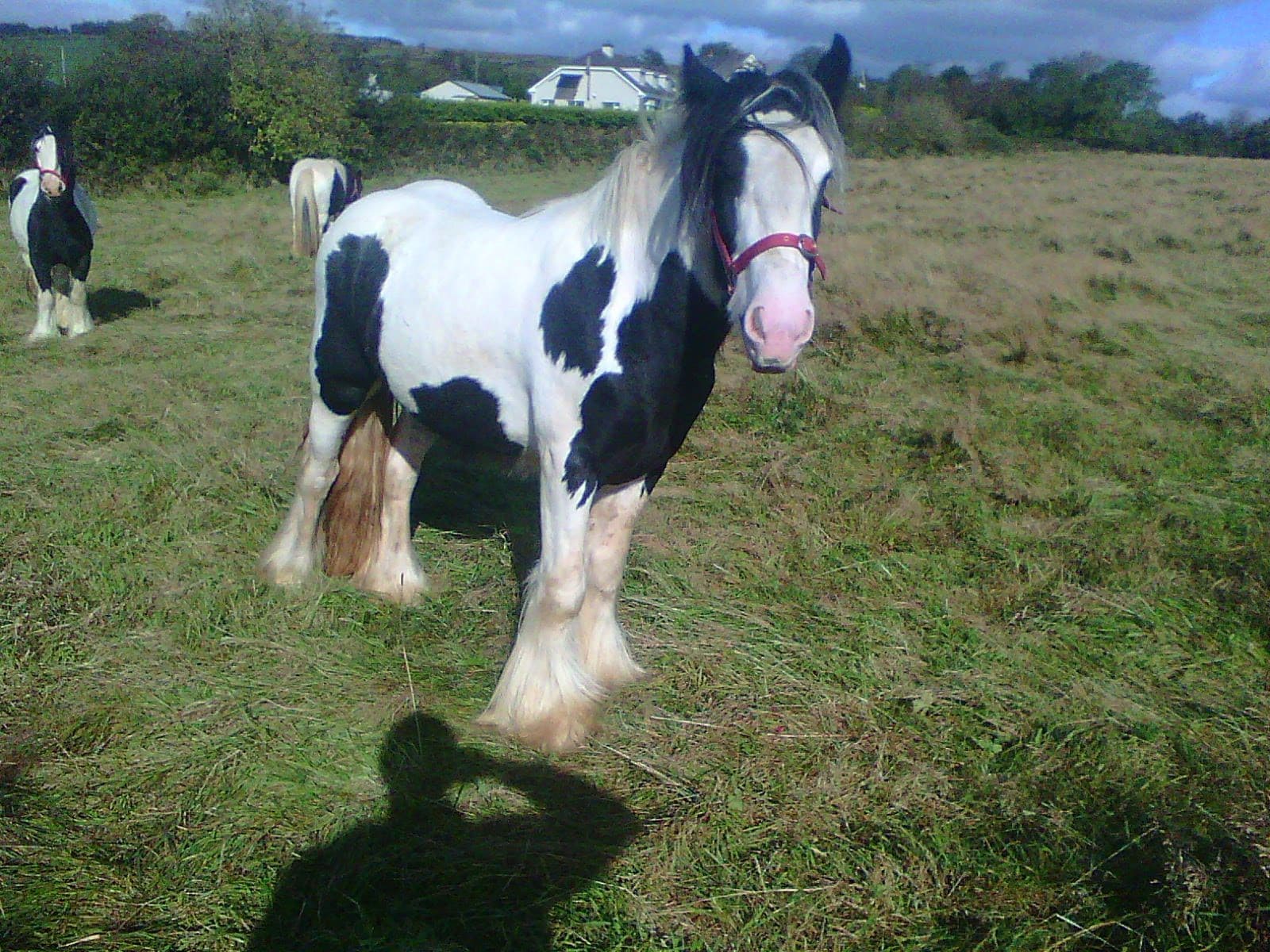
The Irish Cob is a compact, powerful horse with an abundant mane and tail and long hair around the lower legs, called feathering.
Sources: France Irish Cob
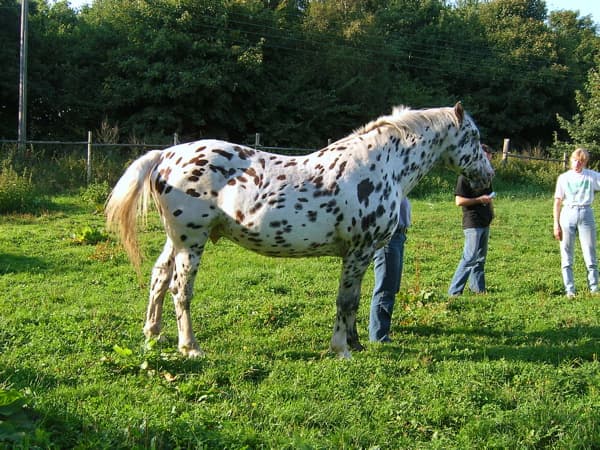
The Knabstrupper is a Danish breed often recognised by its spotted coat. Its markings range from a largely white body with coloured spots to much less obvious signs.
Sources: KNN — Knabstrupperens historie · KNN — Knabstrupper Horse, 2026 · KNN — Breeding principles, 2026 · UC Davis VGL — Leopard Complex · Avila et al. — Genes, 2022
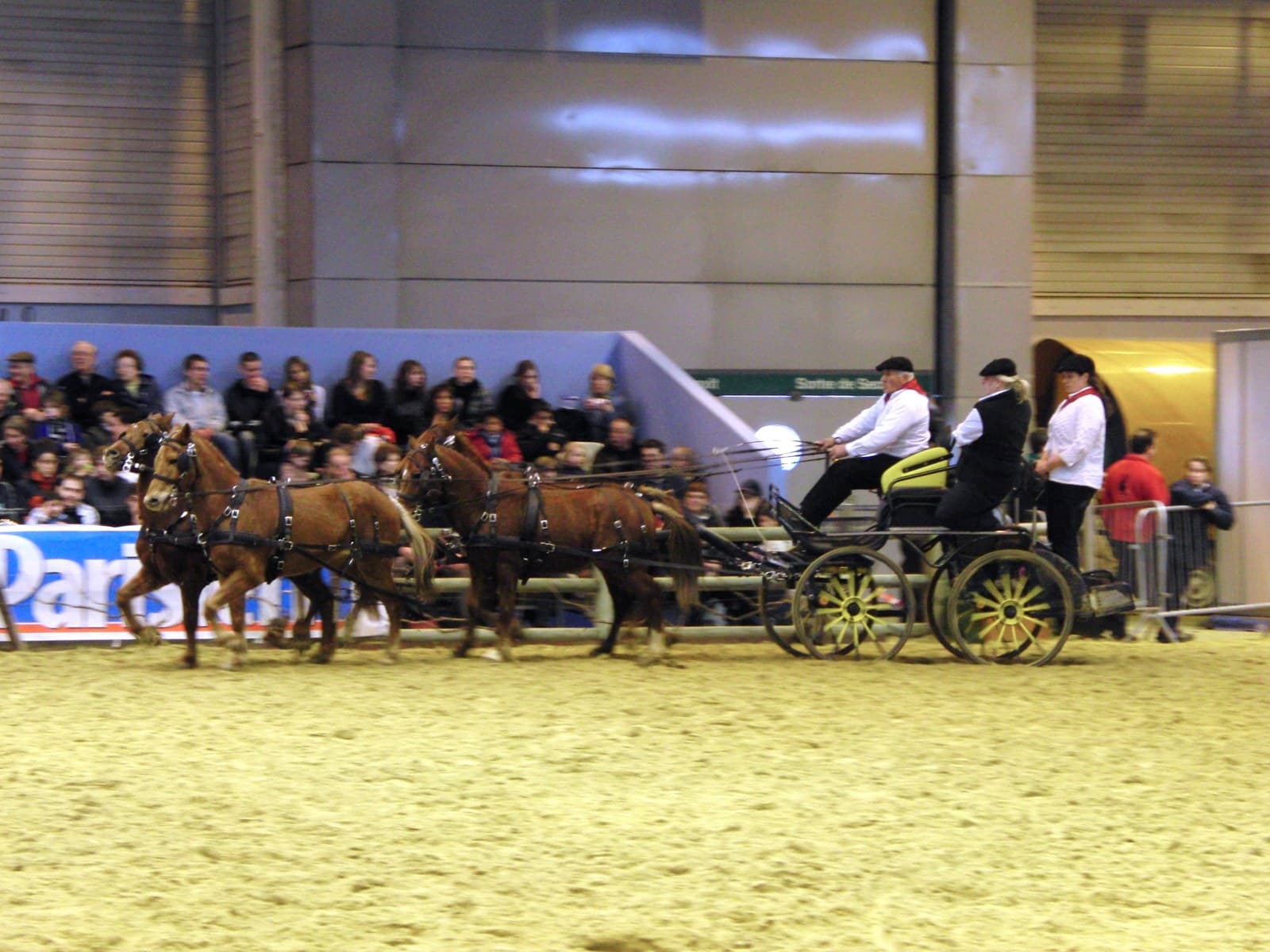
The Landais is a French pony breed with a small population, associated particularly with the Adour floodplain.
Sources: Association nationale du poney Landais — Règlement et programme de sélection, 22 mars 2023
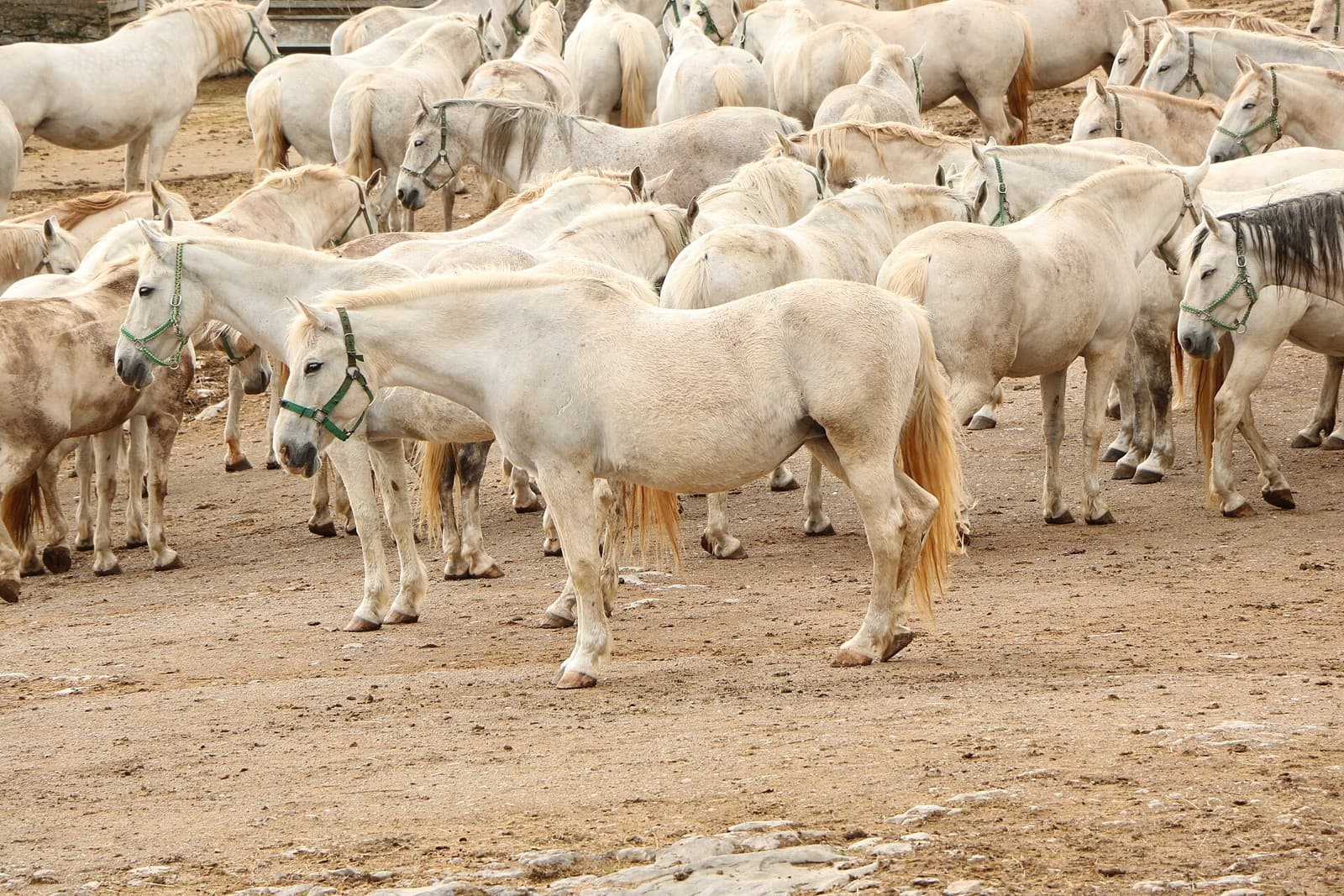
The Lipizzan is a horse used for driving and haute école, the advanced work of classical dressage.
Sources: Lipica · Genska banka
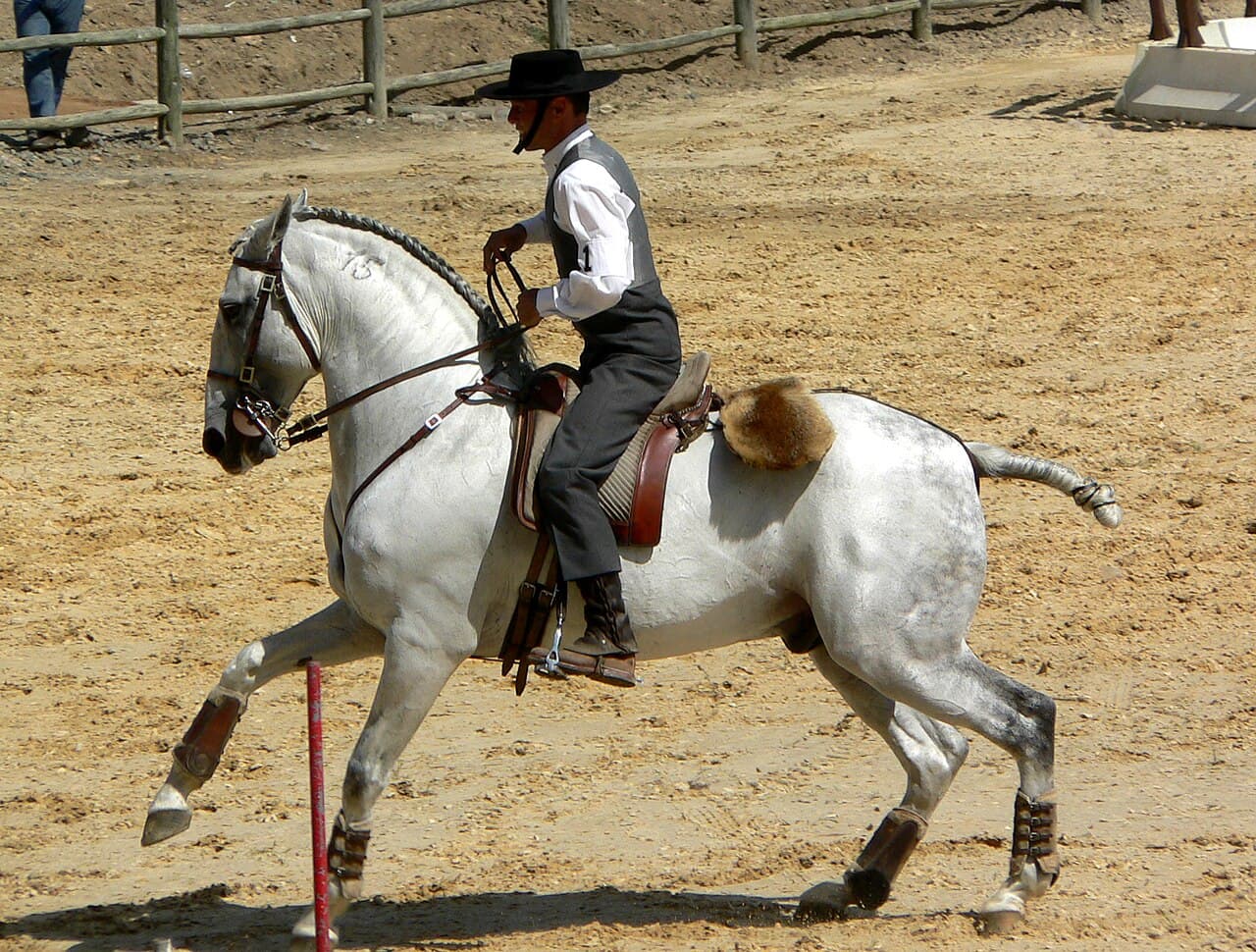
The Lusitano is a horse from Portugal, bred particularly for riding.
Sources: APSL
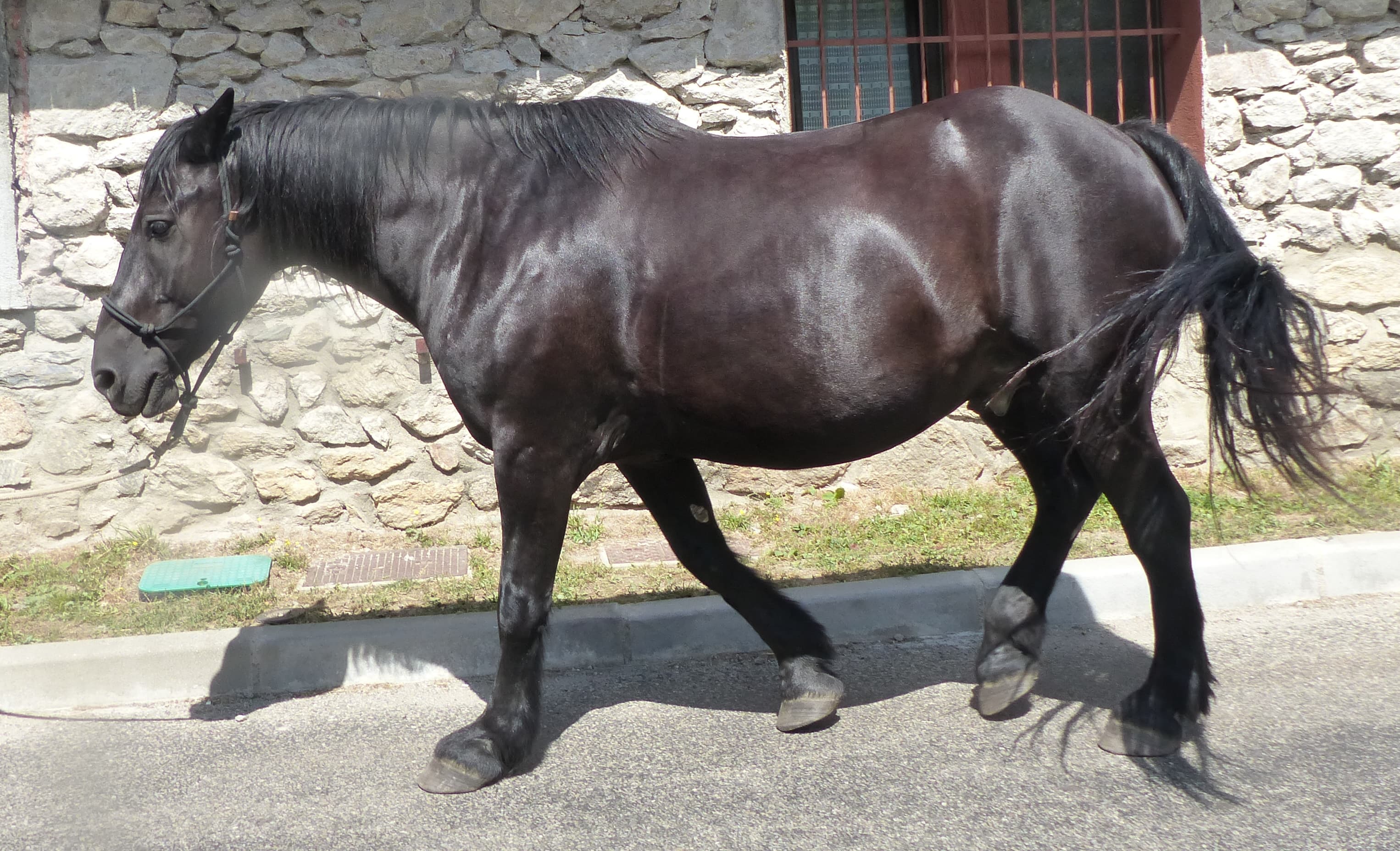
The Mérens is a mountain horse from Ariège, recognised by its black coat and compact build.
Sources: SHERPA Mérens France — Programme de sélection diffusé par l’IFCE comme PS 2024 · CNCE et UNIC — Le cheval de Mérens, Animal Genetic Resources Information, no 13
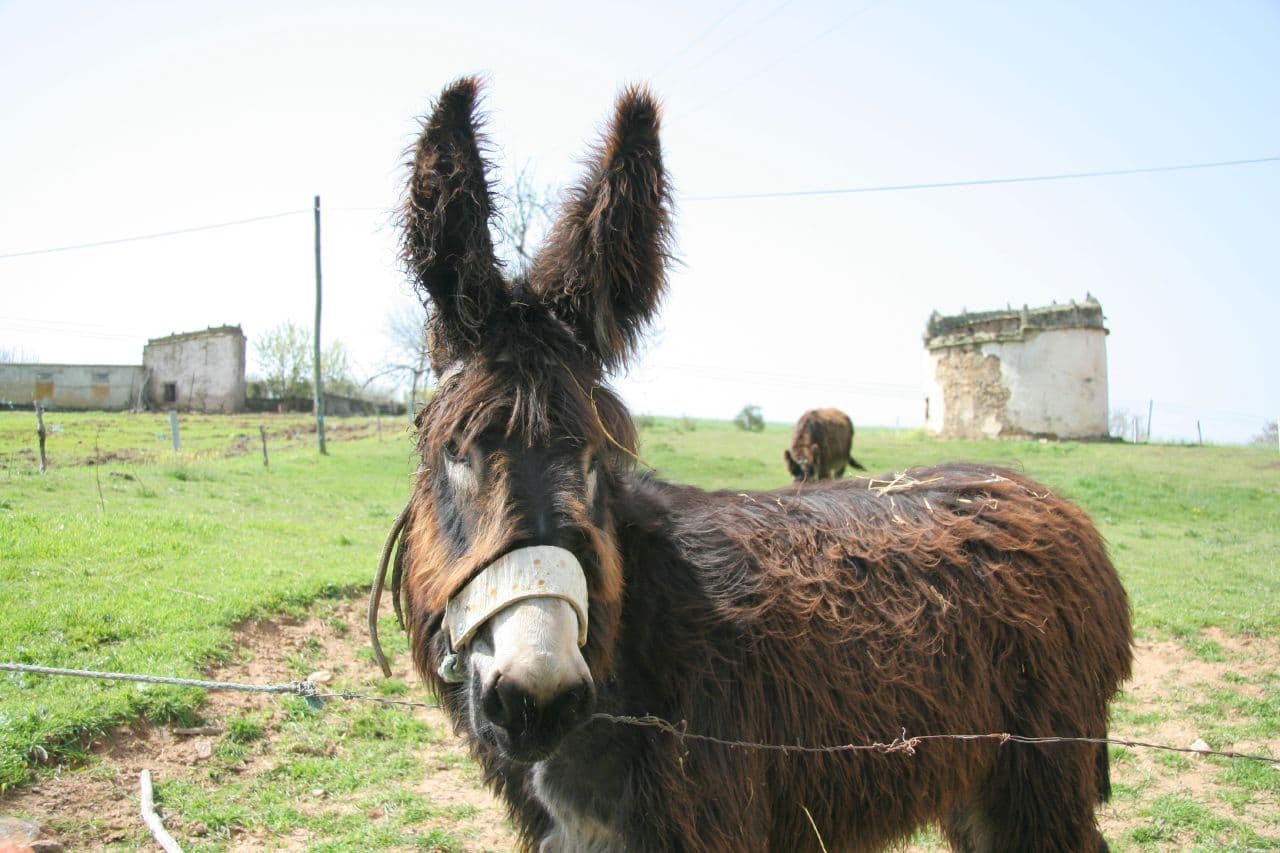
The Miranda donkey is a Portuguese donkey breed from the northeast of the country, shaped by life on the Miranda plateau and work on small farms.
Sources: AEPGA
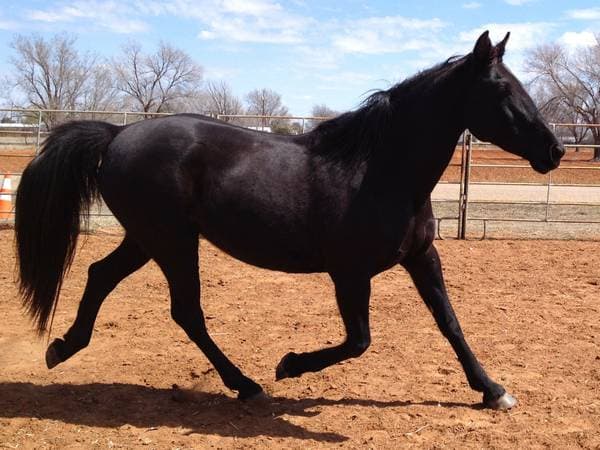
The Missouri Fox Trotter developed in the American Ozarks. Its name refers to the fox trot, a gait in which a forefoot lands slightly before the opposite hind foot.
Sources: MFTHBA — History of the breed · MFTHBA — Gaits · MFTHBA — Rulebook, 2025 · Missouri Secretary of State — State Horse · Avila et al. — Genes, 2022
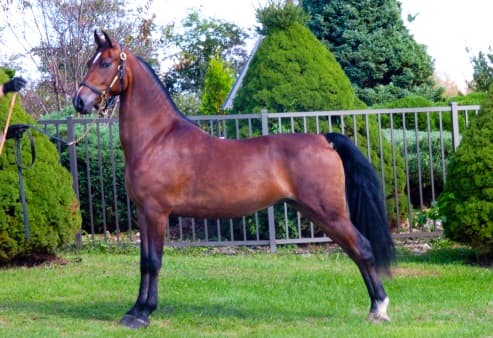
Morgan bloodlines trace back to a stallion born in 1789, first known as Figure and later as Justin Morgan. The breed developed around compact horses used for both riding and driving.
Sources: AMHA — About the Morgan: FAQ · US Equestrian — Morgan · AMHA — Registry FAQ · Avila et al. — Genes, 2022
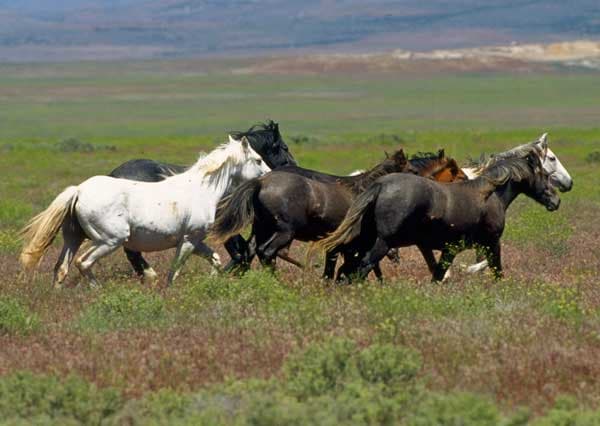
Mustang describes horses of the American West whose domestic ancestors escaped or were released. Their descendants live freely in separate herds.
Sources: BLM — Wild horse and burro myths and facts · BLM — Wild Horse and Burro Program · BLM — Program data, March 2026 · Avila et al. — Genes, 2022
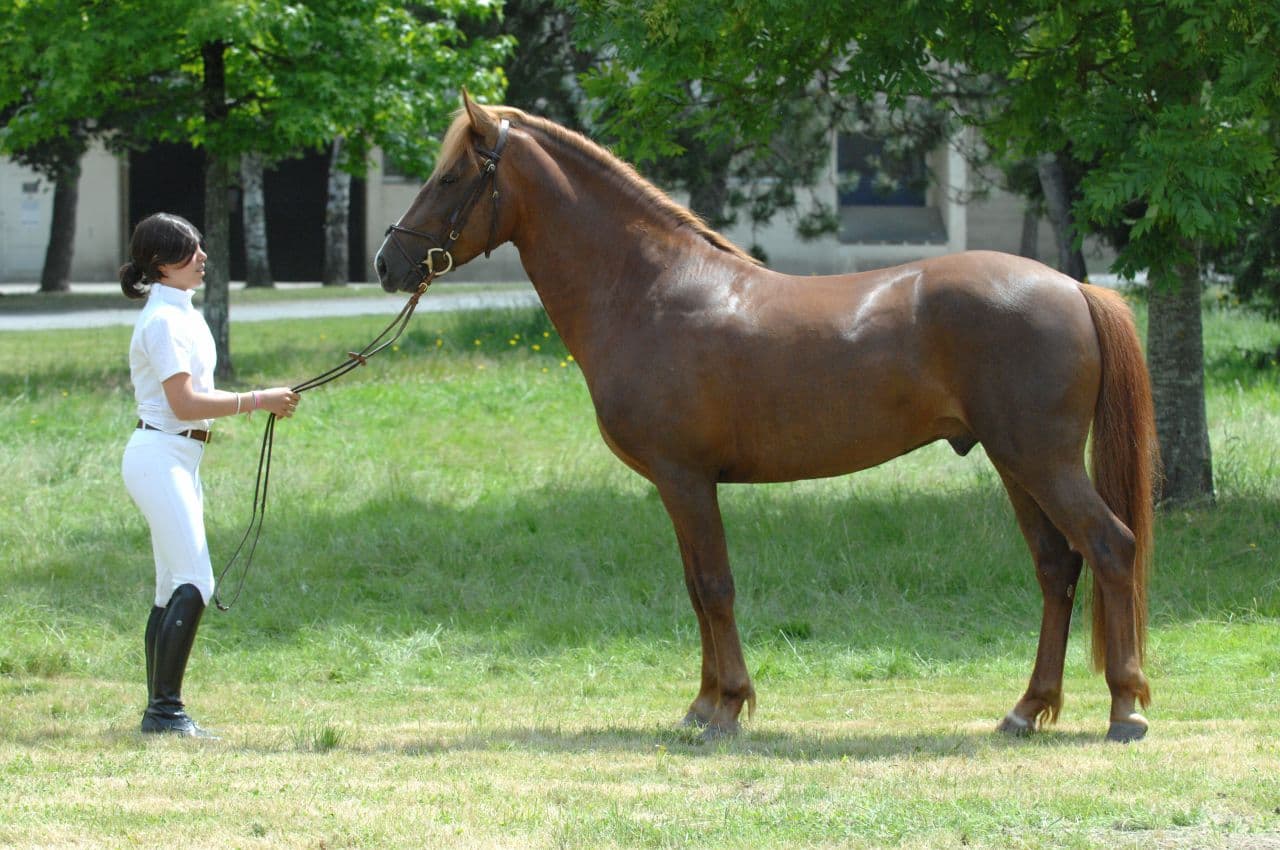
The New Forest pony comes from Hampshire in southern England.
Sources: NFPBCS — Breeding programme, October 2026 · IFCE — Programme de sélection New Forest 2026
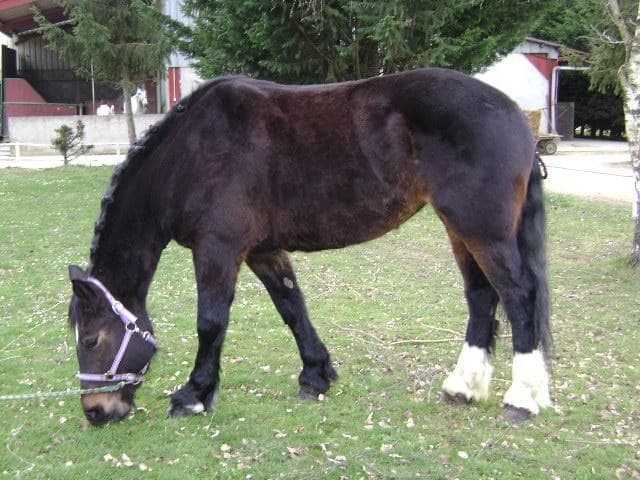
The Norman Cob combines a substantial build with the active movement of its carriage-horse ancestors.
Sources: SNEUCCN — Règlement et programme de sélection, 26 juin 2023
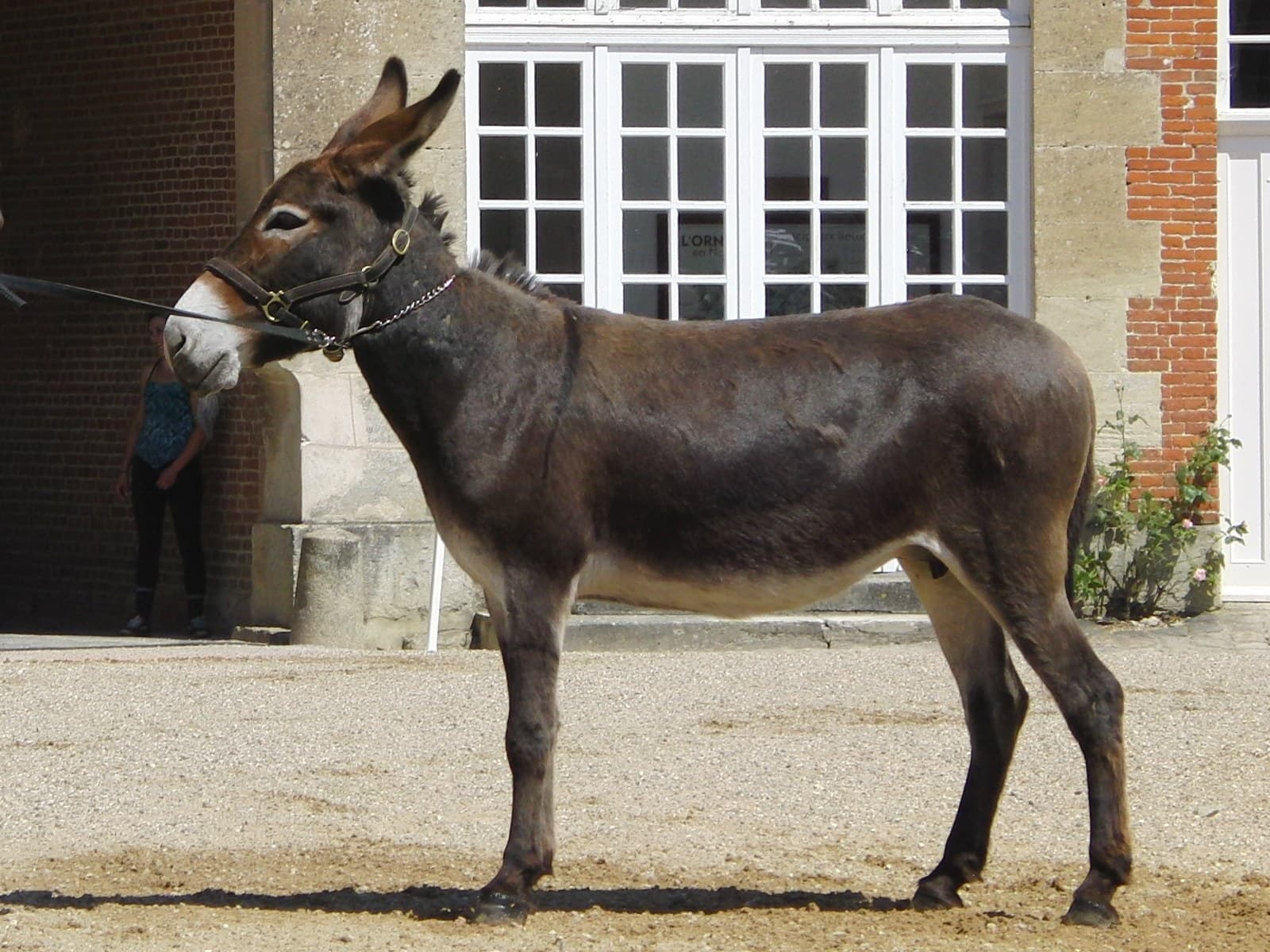
The Norman donkey is a small donkey historically used on Normandy’s dairy farms.
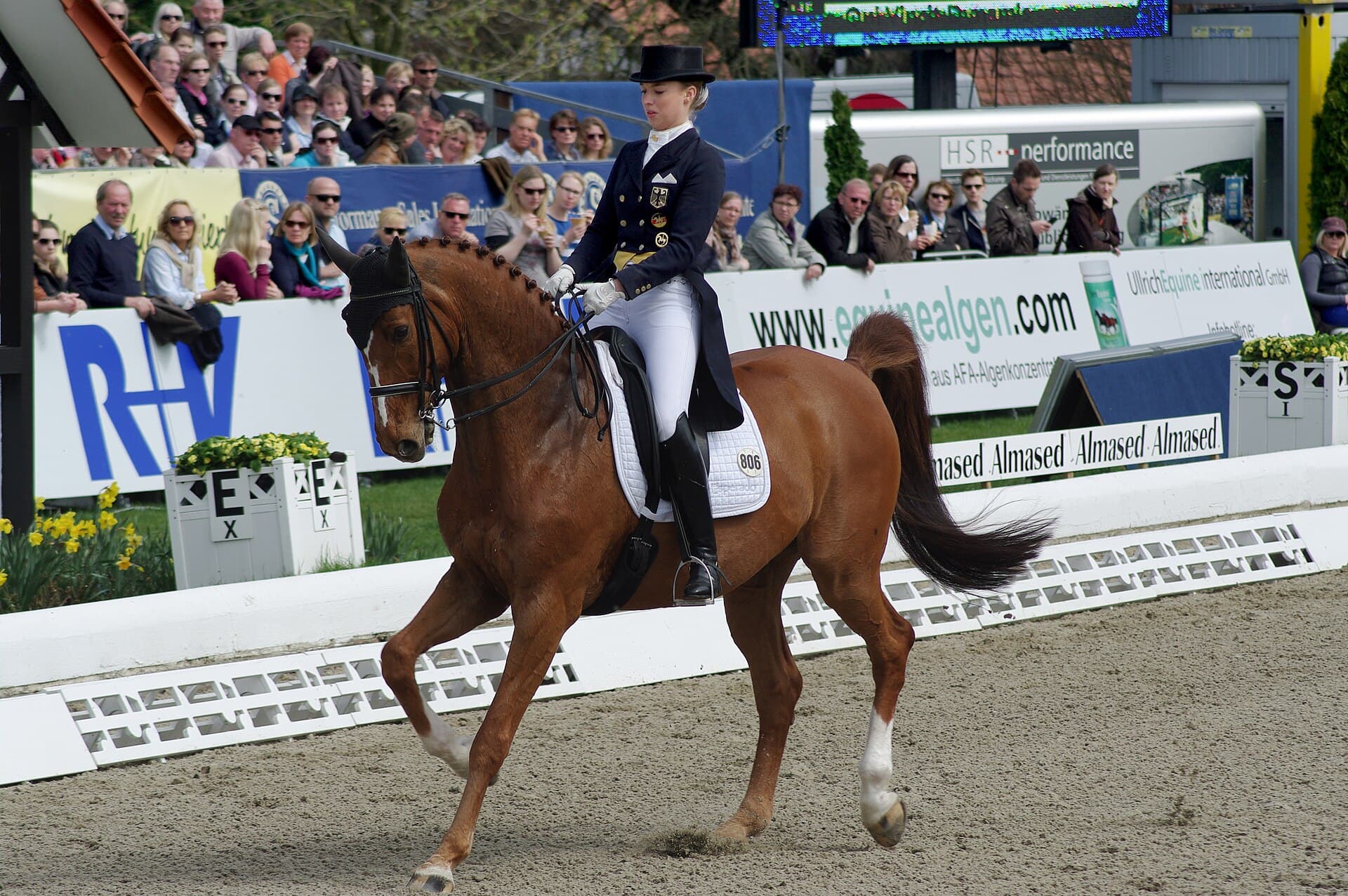
The Oldenburg is a sport horse developed in north-western Germany. Modern breeding accepts varied ancestry while selecting for sporting ability.
Sources: Oldenburger Verband — History · Oldenburger Verband — The association · Oldenburger Verband — Mares · FEI — Qui Vincit Dynamis (OLDBG) · Avila et al. — Genes, 2022
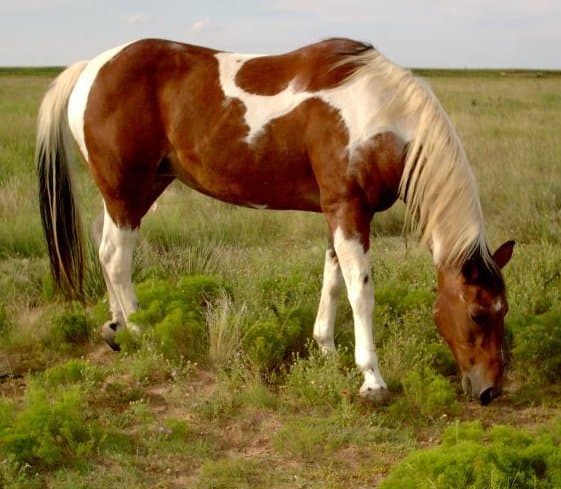
The Paint Horse is an American riding horse bred for cattle work and western disciplines.
Sources: APHA
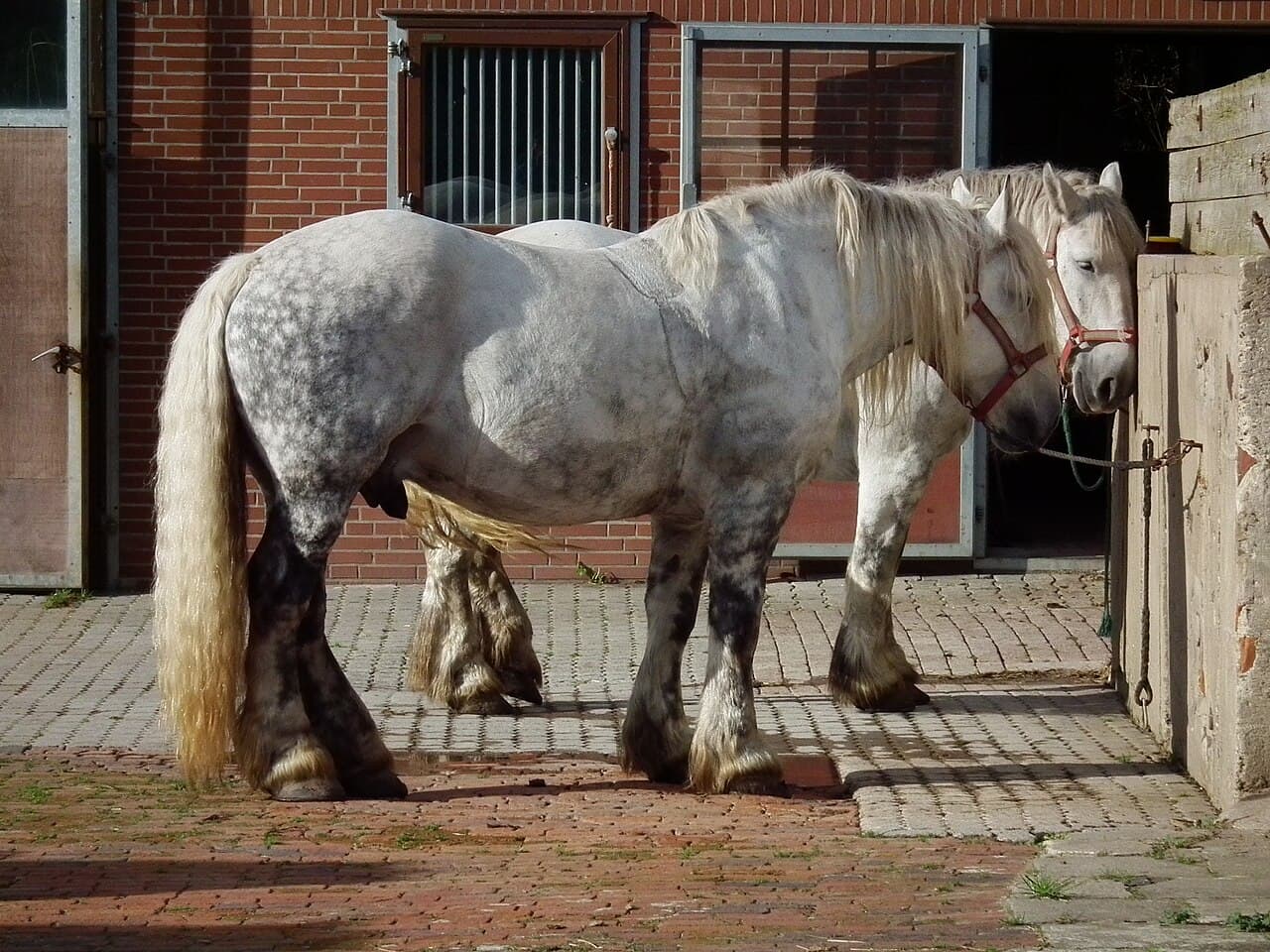
The Percheron is a draught horse from the Perche region of western France.
Sources: Parc naturel régional du Perche · SHPF / IFCE — 2024
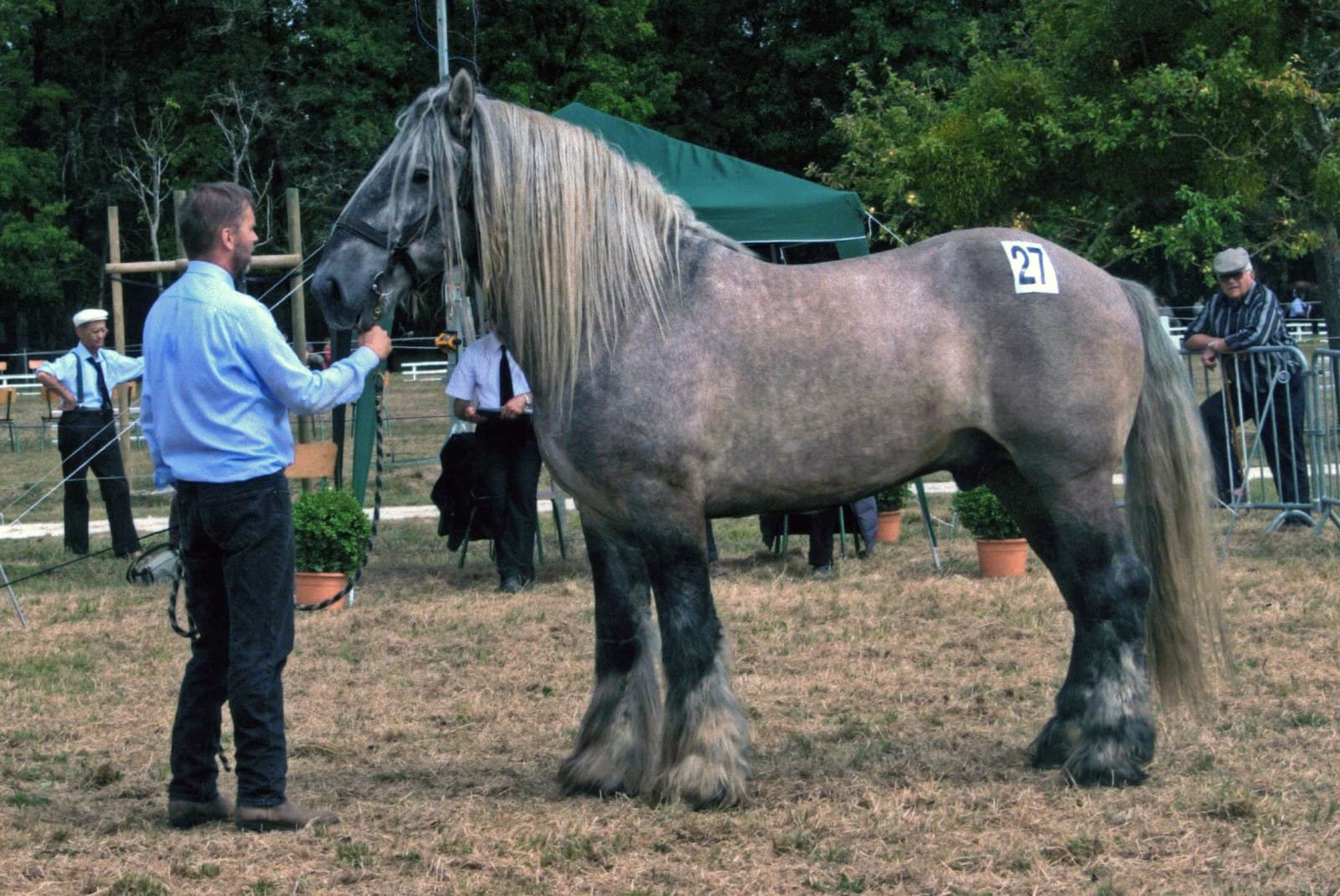
The Poitevin Mulassier is a large draught horse whose mares were selected to produce mules with the Baudet du Poitou donkey.
Sources: Races mulassières du Poitou — Règlement et programme de sélection, 17 juin 2023
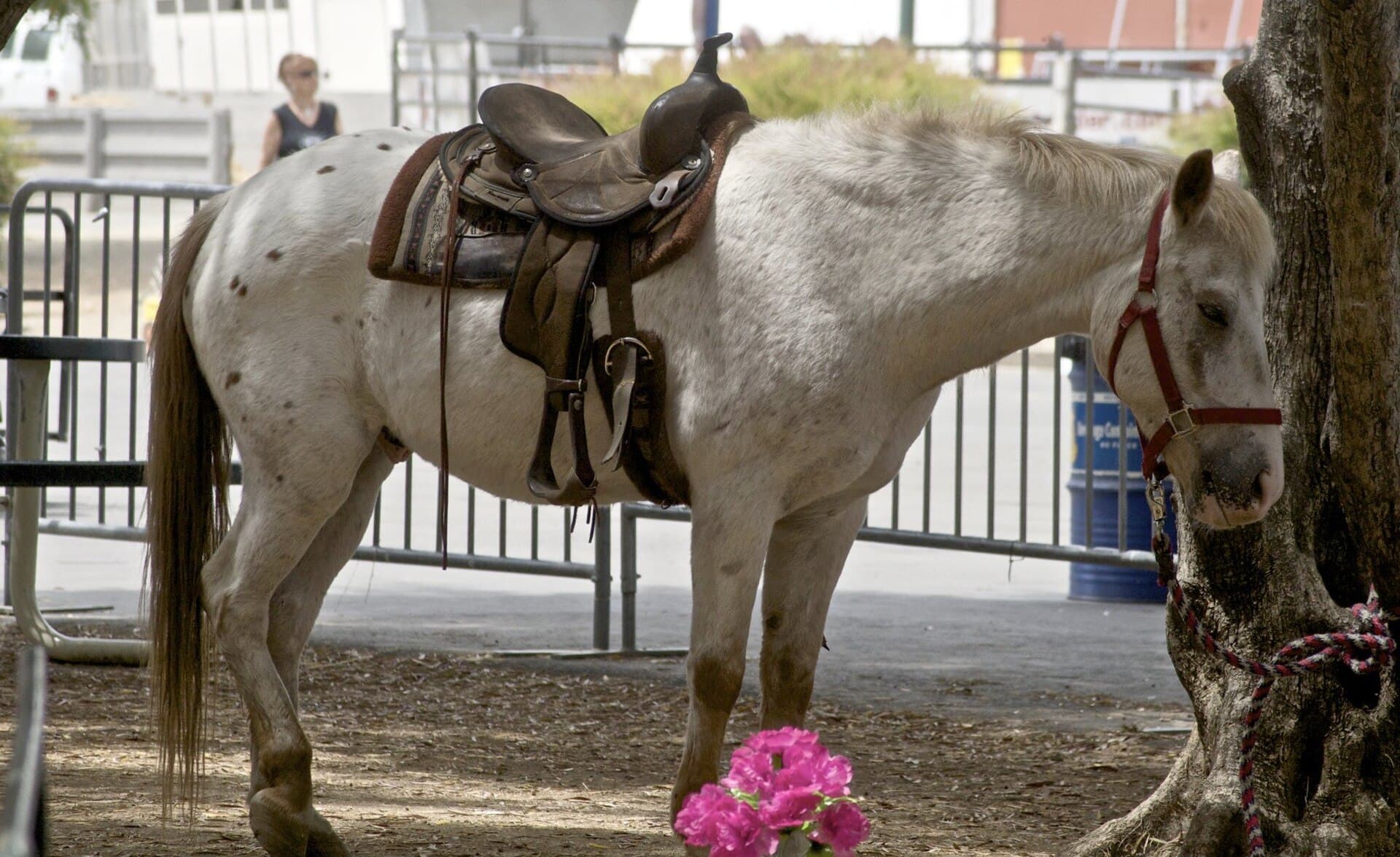
The Pony of the Americas, usually shortened to POA, is an American pony developed for young riders. It combines a small riding-horse build with leopard-complex patterns similar to those seen in Appaloosas.
Sources: POAC — History · POAC — Judging criteria · POAC — Characteristics · POAC — Registration types · POAC — FAQ · UC Davis VGL — Leopard Complex · Avila et al. — Genes, 2022
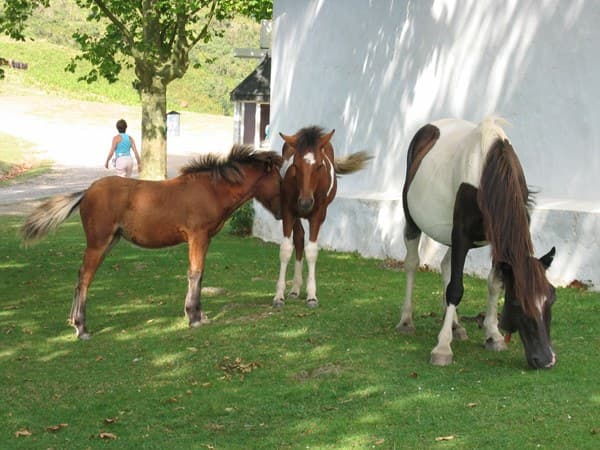
The Pottok is a Basque pony, with part of its breeding population still living on mountain ranges.
Sources: Association nationale du Pottok — Règlement et programme de sélection, 2019
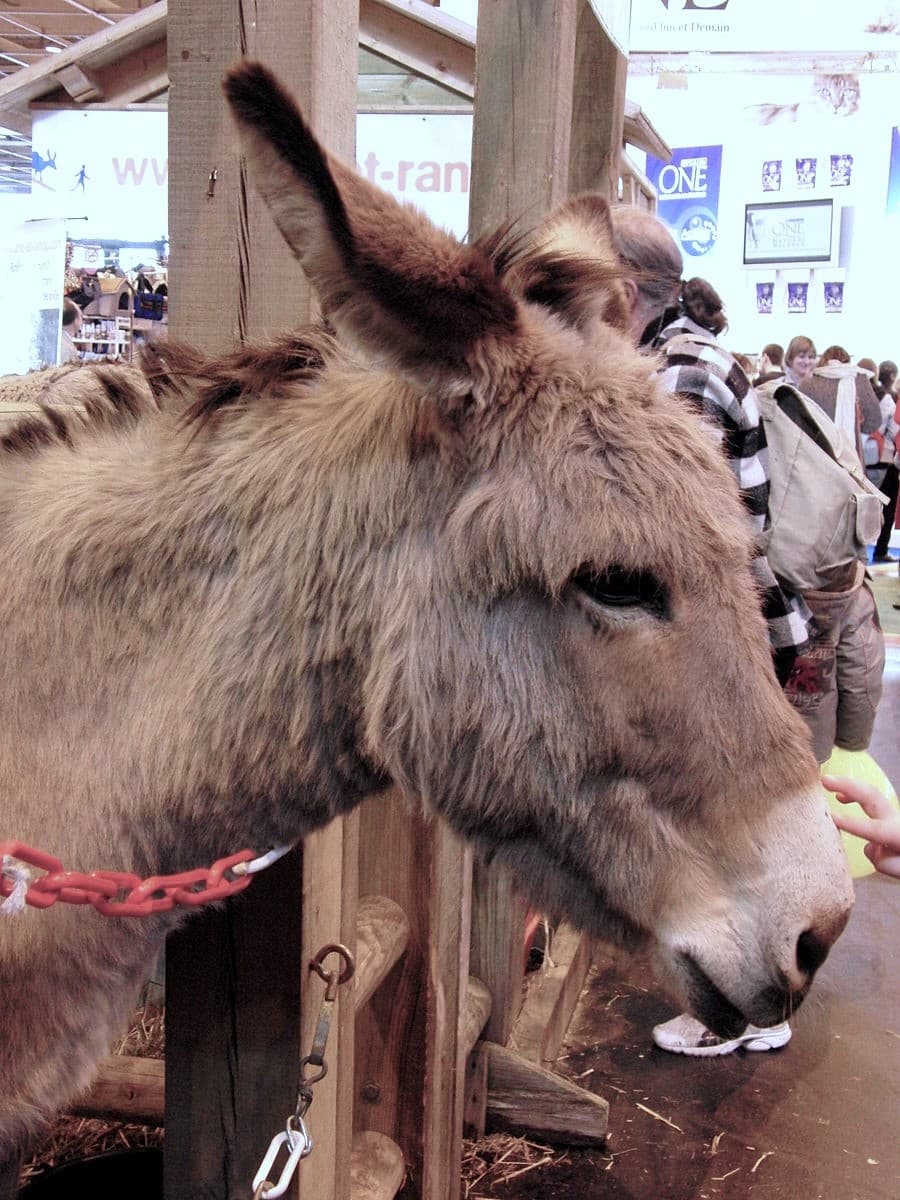
The Provence donkey accompanied flocks between lowland Provence and mountain pastures, carrying shepherds’ supplies and equipment.
Sources: Association de l’âne de Provence
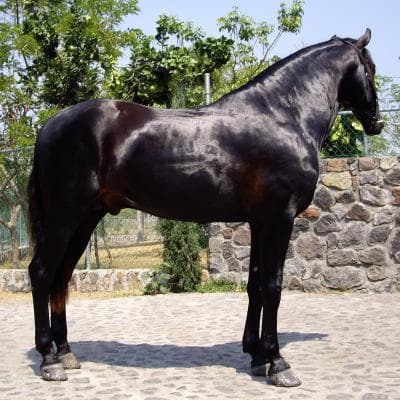
The Purebred Spanish Horse is a Spanish riding horse with particularly close historical ties to Andalusia.
Sources: ANCCE · ANCCE — Programa de Mejora · MAPA — Programa de Cría PRE
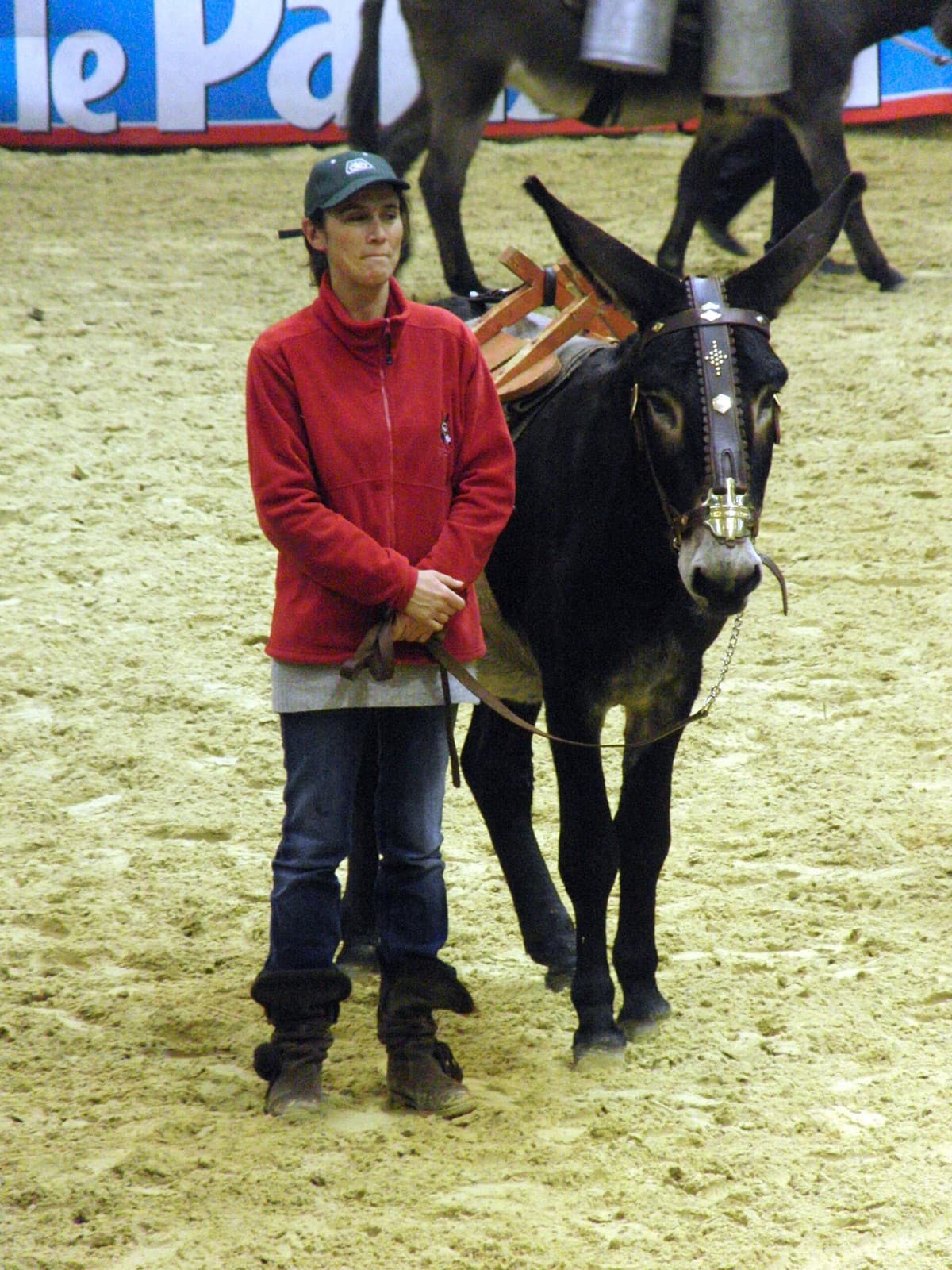
The Pyrenean donkey includes two recognised types: the smaller, compact Gascon and the taller, more angular Catalan.
Sources: Association nationale des ânes et mulets des Pyrénées
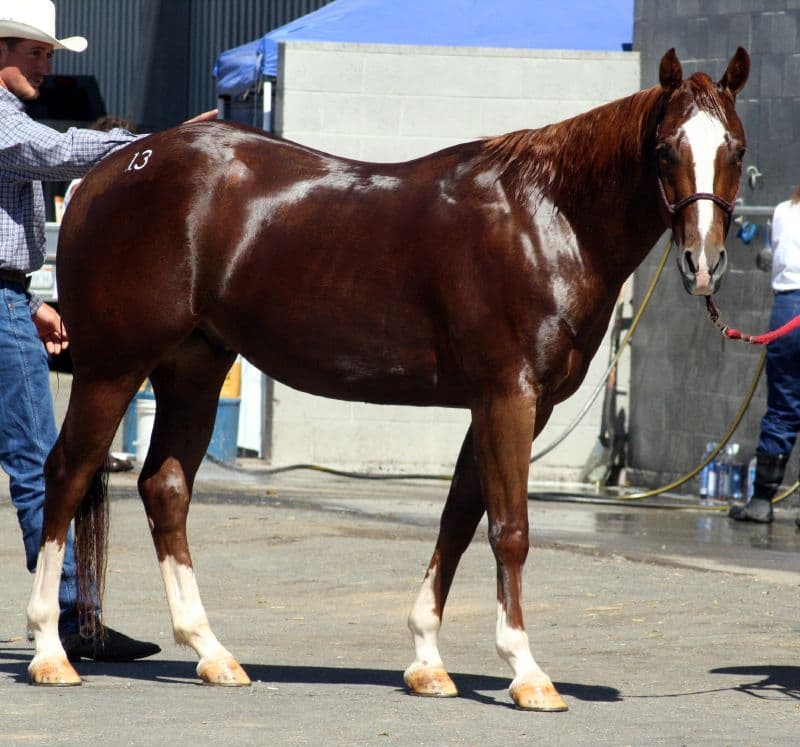
The Quarter Horse originated in the United States and takes its name from races over a quarter of a mile.
Sources: AQHA — Official Handbook 2026 · AFQH
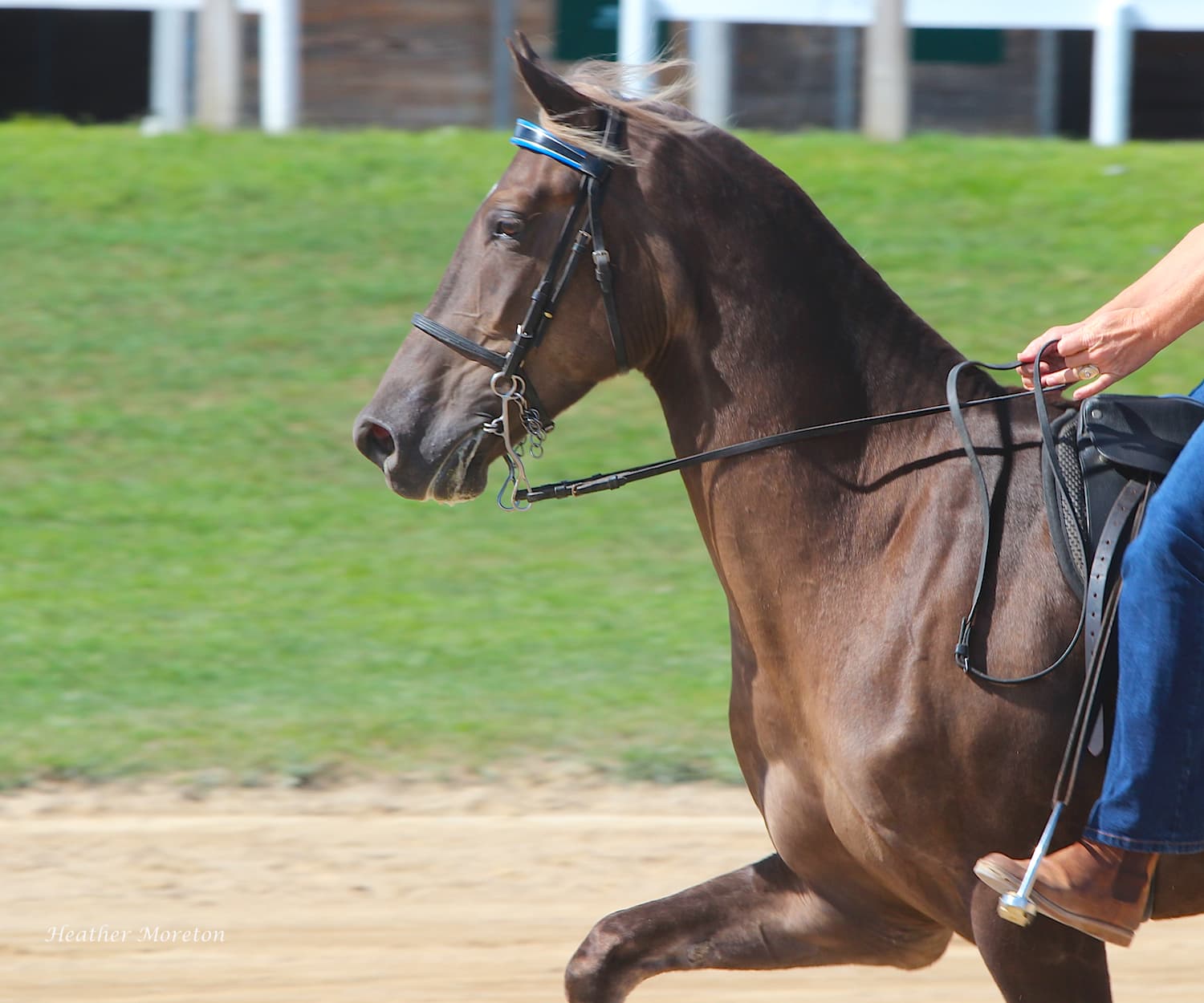
The Rocky Mountain Horse developed in eastern Kentucky, in the Appalachian region. Despite its name, the organised breed did not originate in the Rocky Mountains.
Sources: RMHA — Association history · RMHA — Breed standard · RMHA — FAQ · UC Davis VGL — Silver · Avila et al. — Genes, 2022
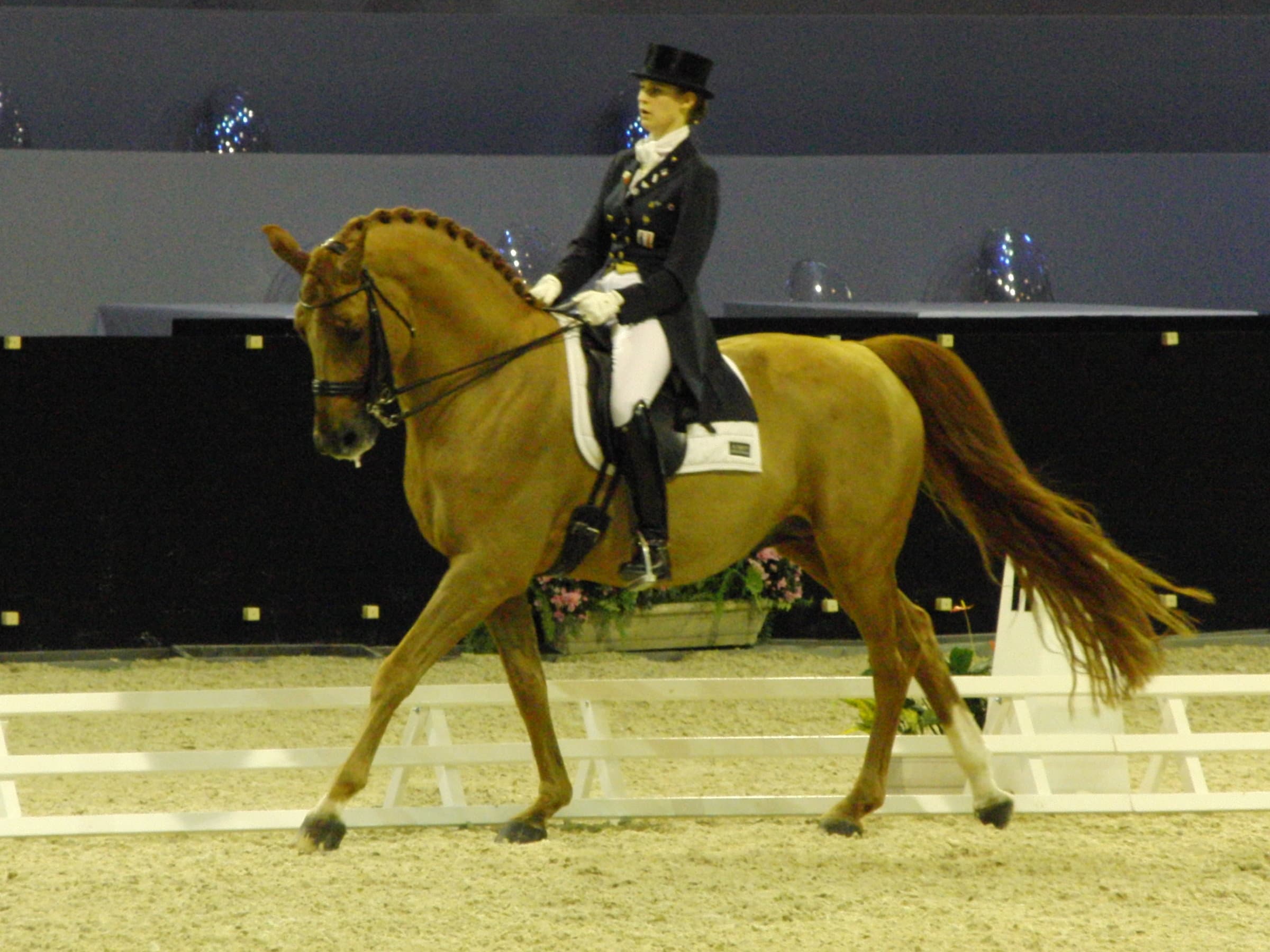
The Selle Français is a sport horse bred for jumping, quality of movement and responsiveness to its rider.
Sources: Stud-Book Selle Français — Programme de sélection, 1er avril 2025
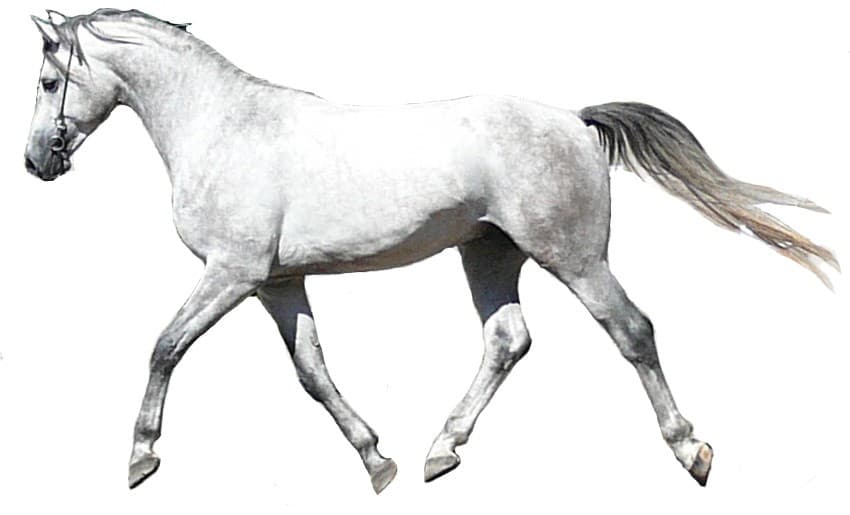
The Shagya Arabian was developed from Arabian ancestry at Central European studs, notably Bábolna in Hungary.
Sources: AFCAS · IFCE — Écus 2025
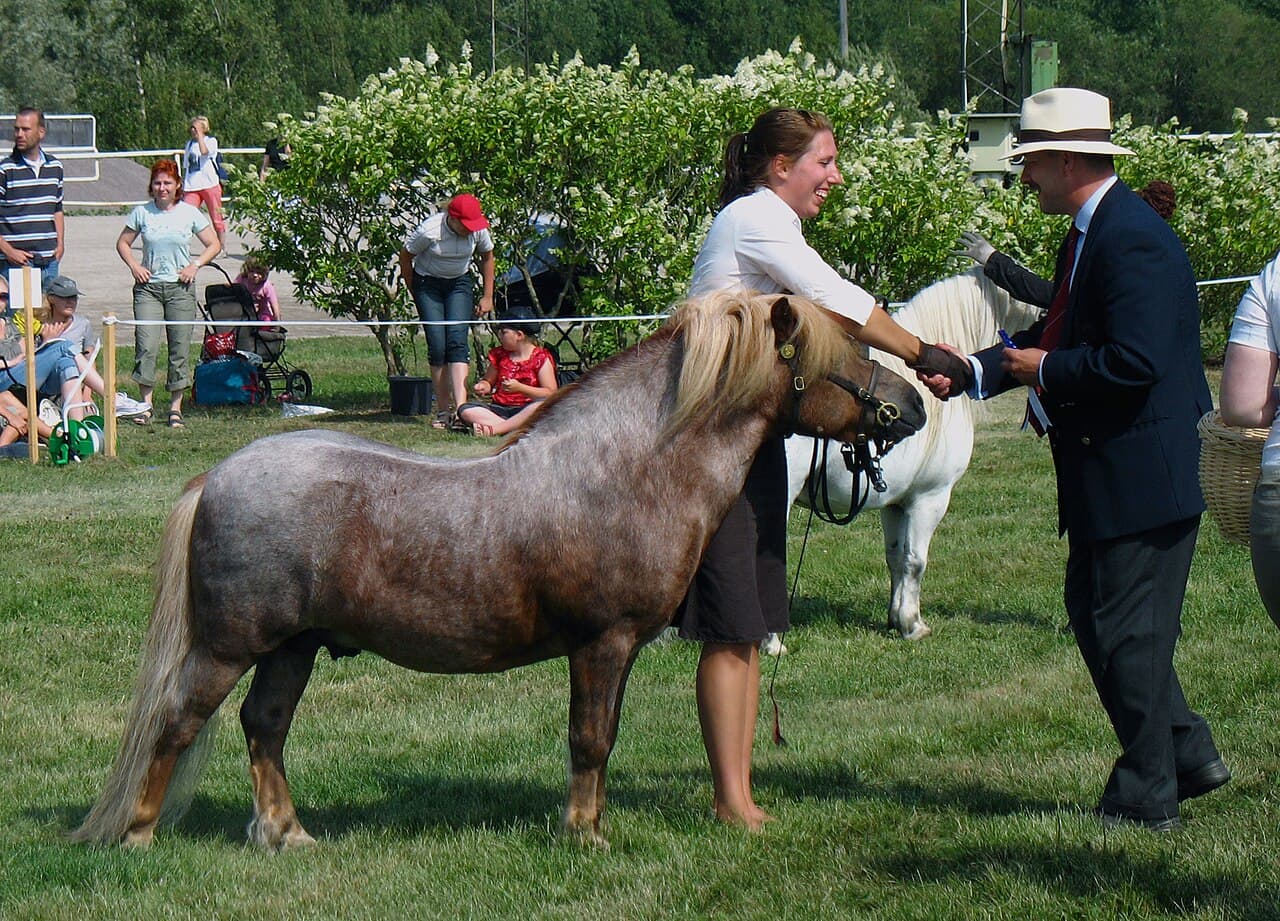
The Shetland is a small pony from the islands of the same name, north of mainland Scotland.
Sources: Shetland Pony Stud-Book Society
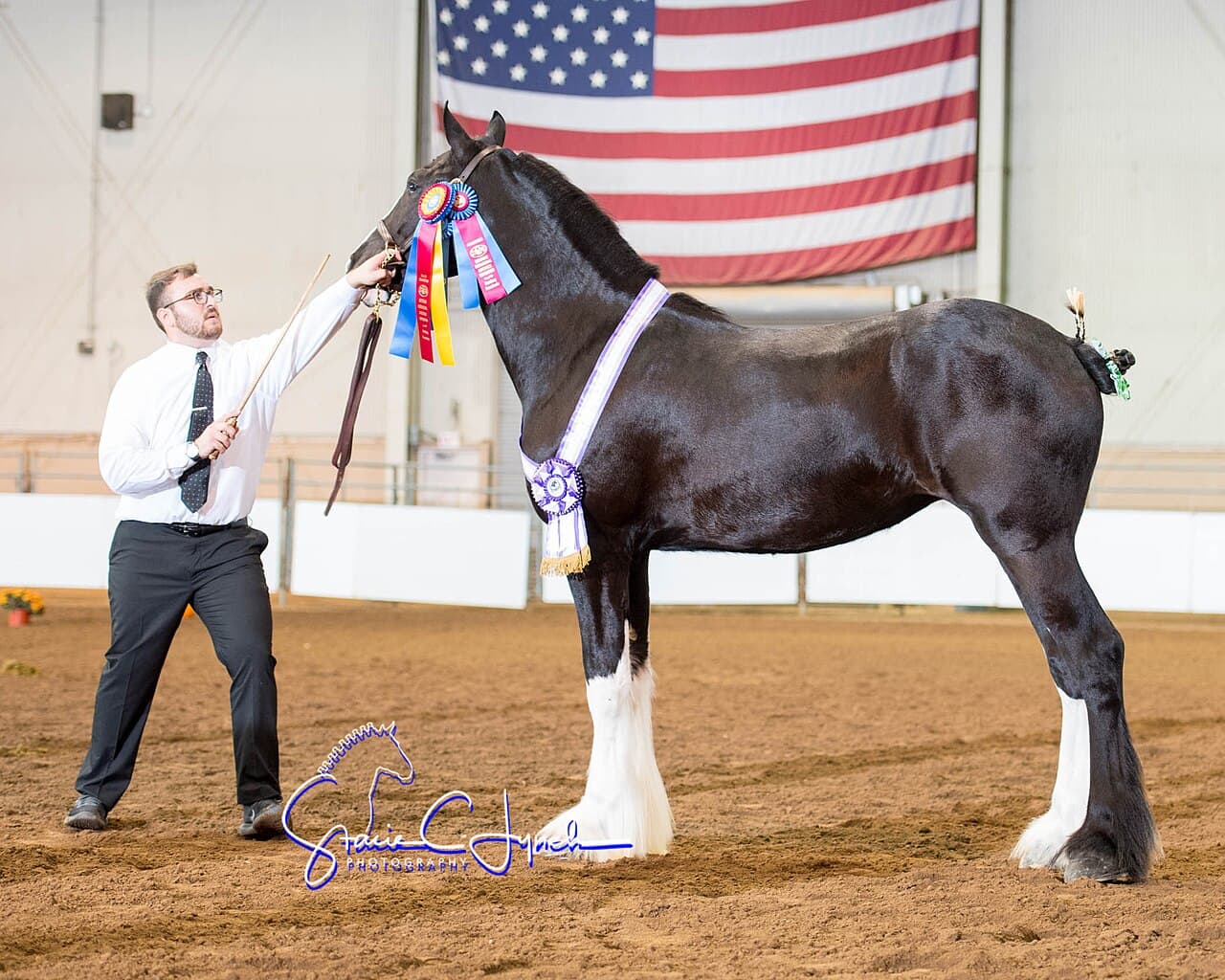
The Shire is an English draught horse shaped by farming and the transport of heavy loads.
Sources: Shire Horse Society
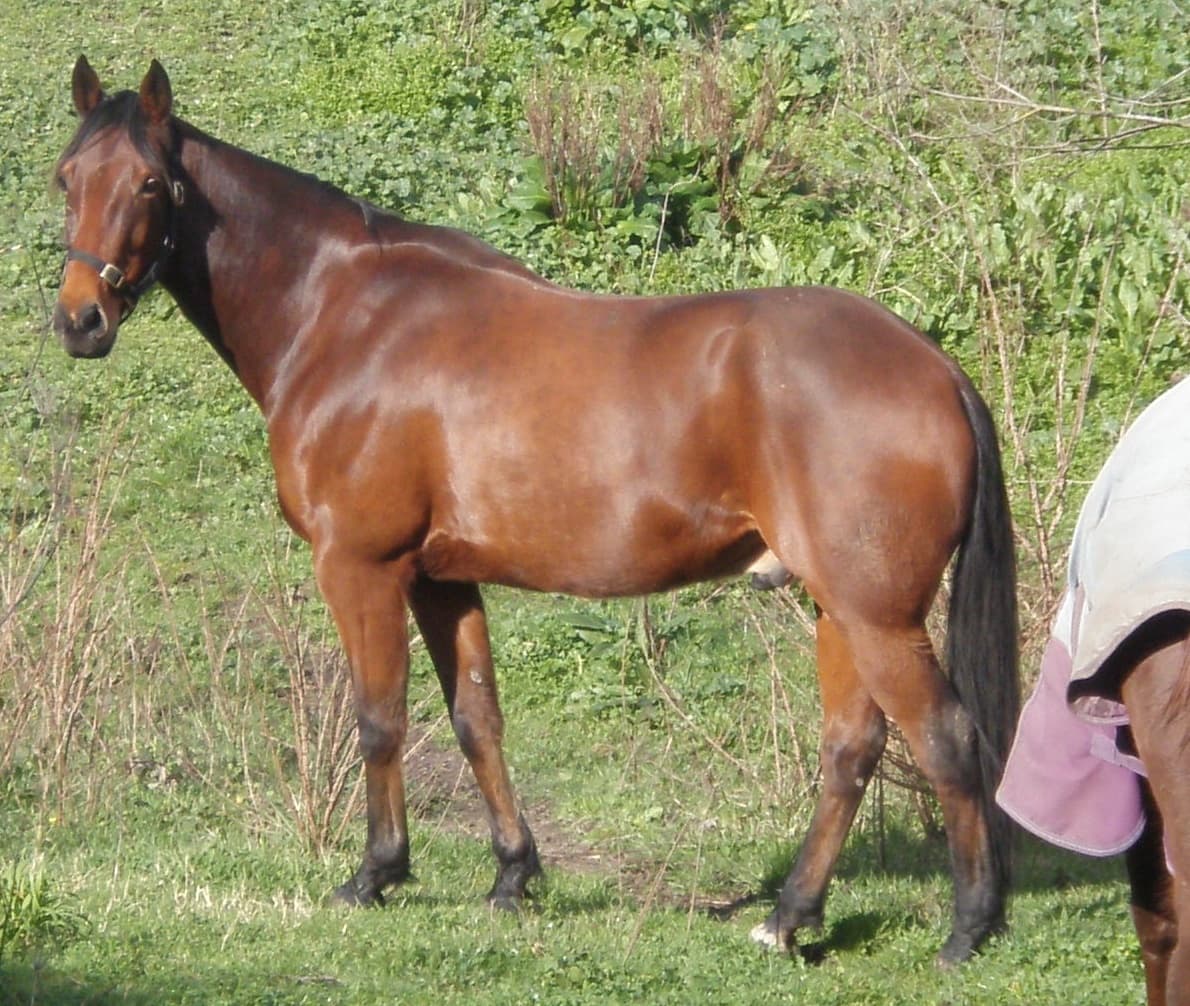
The Standardbred is an American breed developed for harness racing. Depending on their breeding and event, horses race at the trot or pace while pulling a sulky, a lightweight two-wheeled vehicle.
Sources: USTA — What is harness racing? · USTA — Microchipping and DNA · USTA — Life after racing · Avila et al. — Genes, 2022
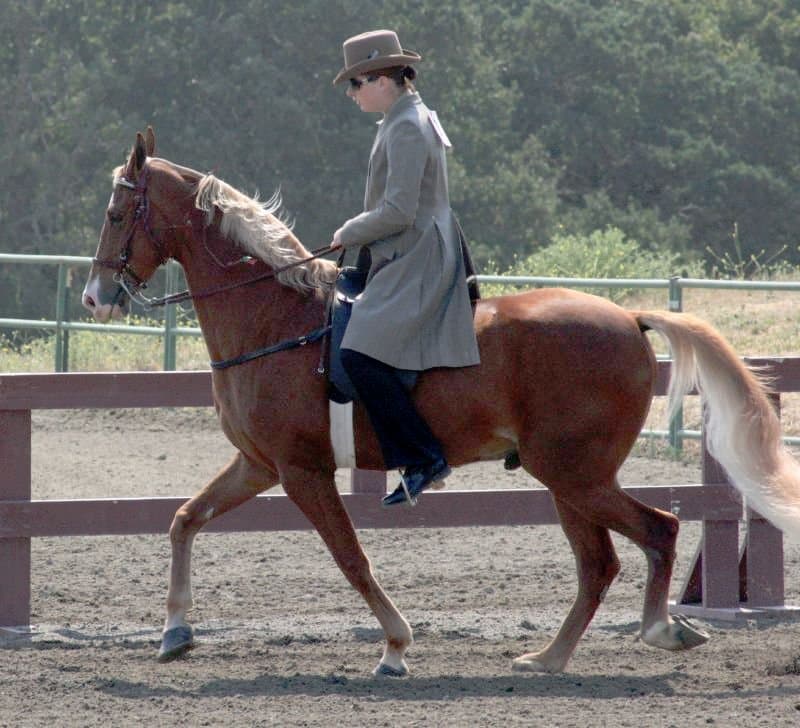
The Tennessee Walking Horse developed in central Tennessee. Its best-known gait is the running walk, a four-beat movement faster than an ordinary walk, with the hind feet stepping beyond the tracks of the forefeet.
Sources: TWHBEA — The breed · Walking Horse Owners Association — The breed · TWHBEA — Corporate rules · TWHBEA — Adopted horses · Avila et al. — Genes, 2022
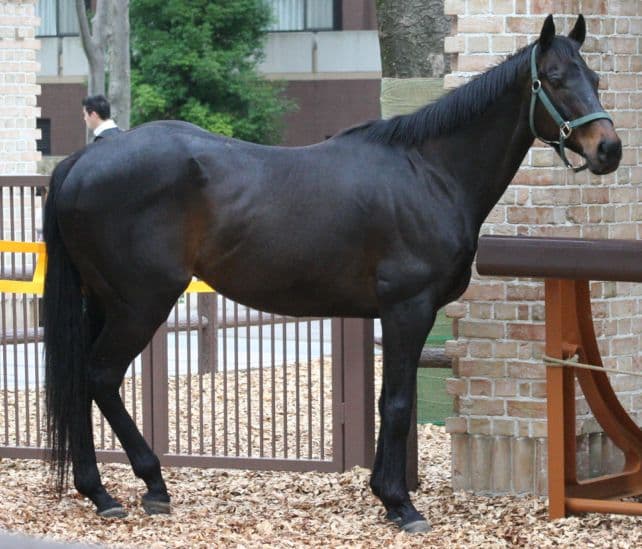
The Thoroughbred developed in England through selection for gallop racing.
Sources: Weatherbys — General Stud Book · ISBC
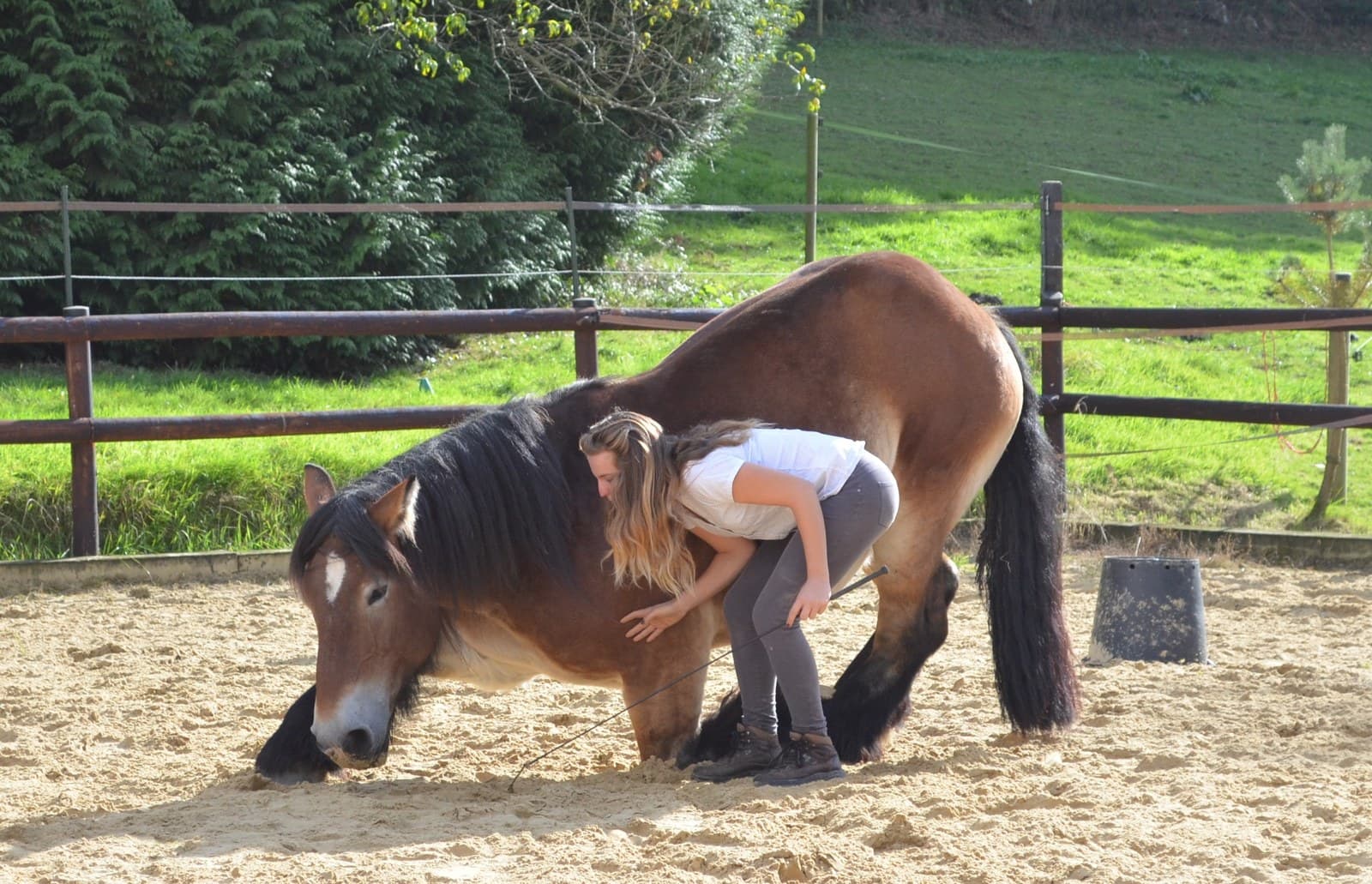
The Trait du Nord is a large draught horse from the Hainaut near the Belgian border.
Sources: Syndicat d’élevage du cheval Trait du Nord — Règlement et programme de sélection, 2026
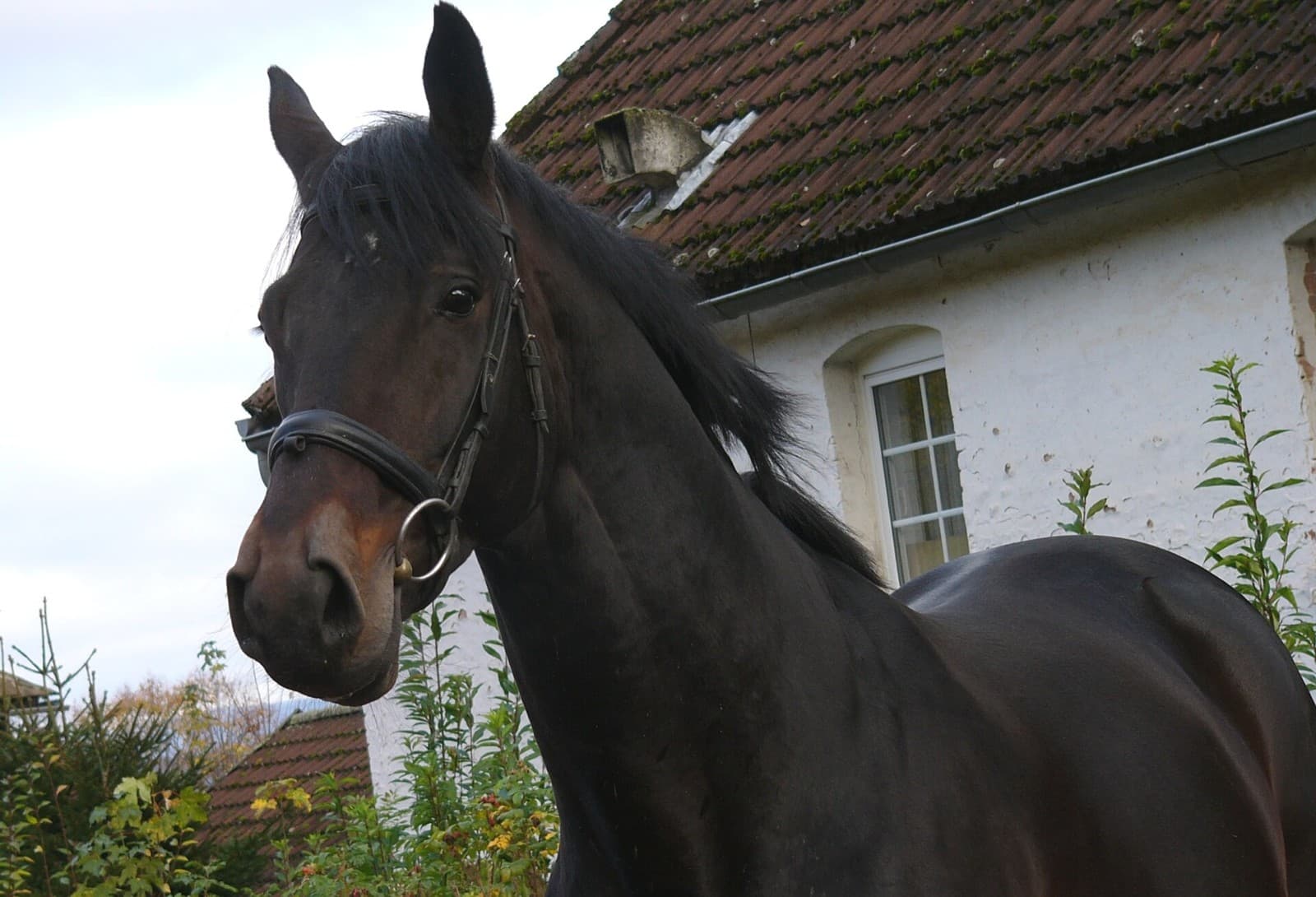
Origin: Historic East Prussia; modern breeding mainly in Germany · Historic East Prussia
The Trakehner is a riding and sport horse that originated in East Prussia.
Sources: Trakehner Verband
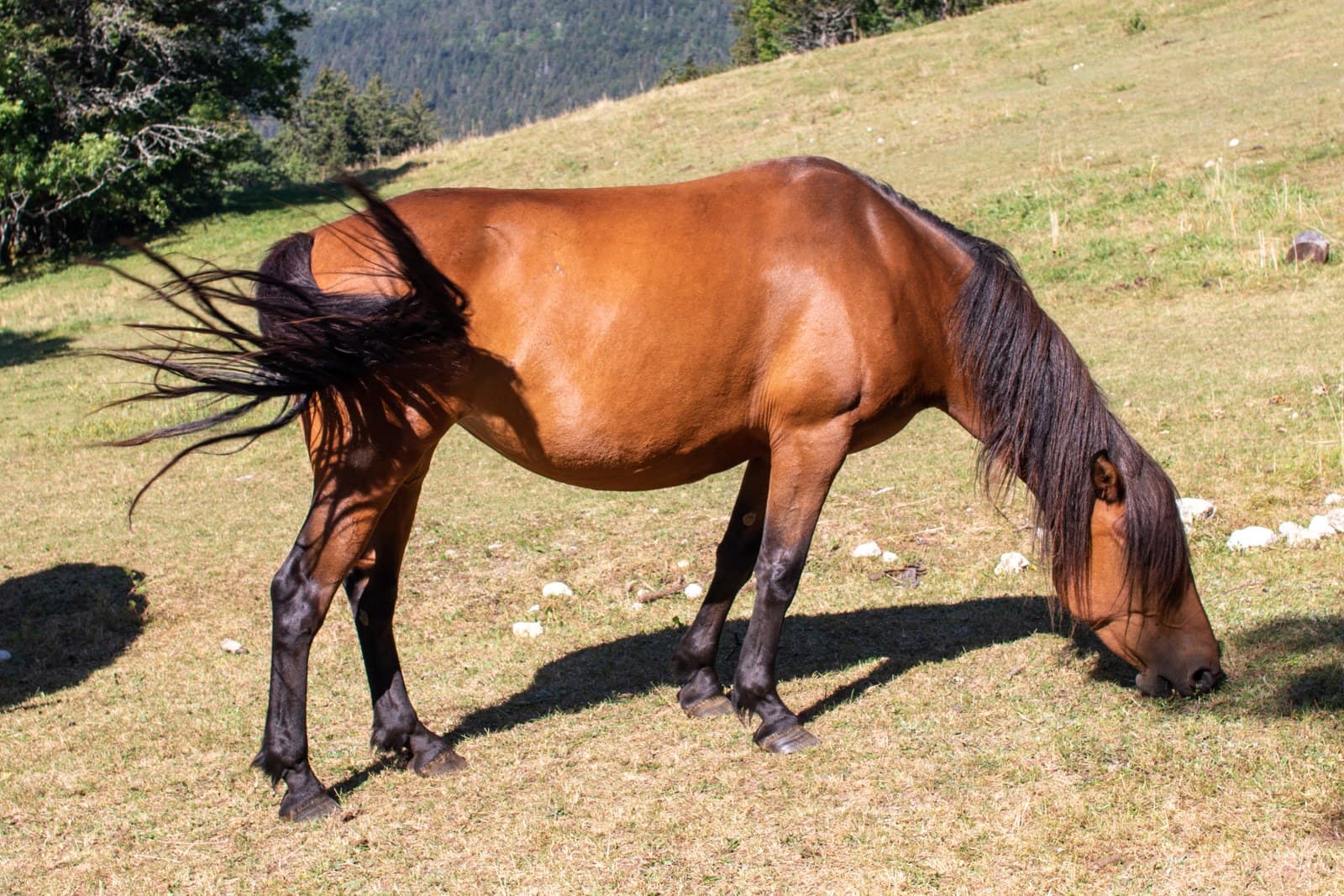
The Vercors de Barraquand is a compact bay horse with an abundant mane and tail.
Sources: ANCVB — Règlement et programme de sélection, octobre 2023
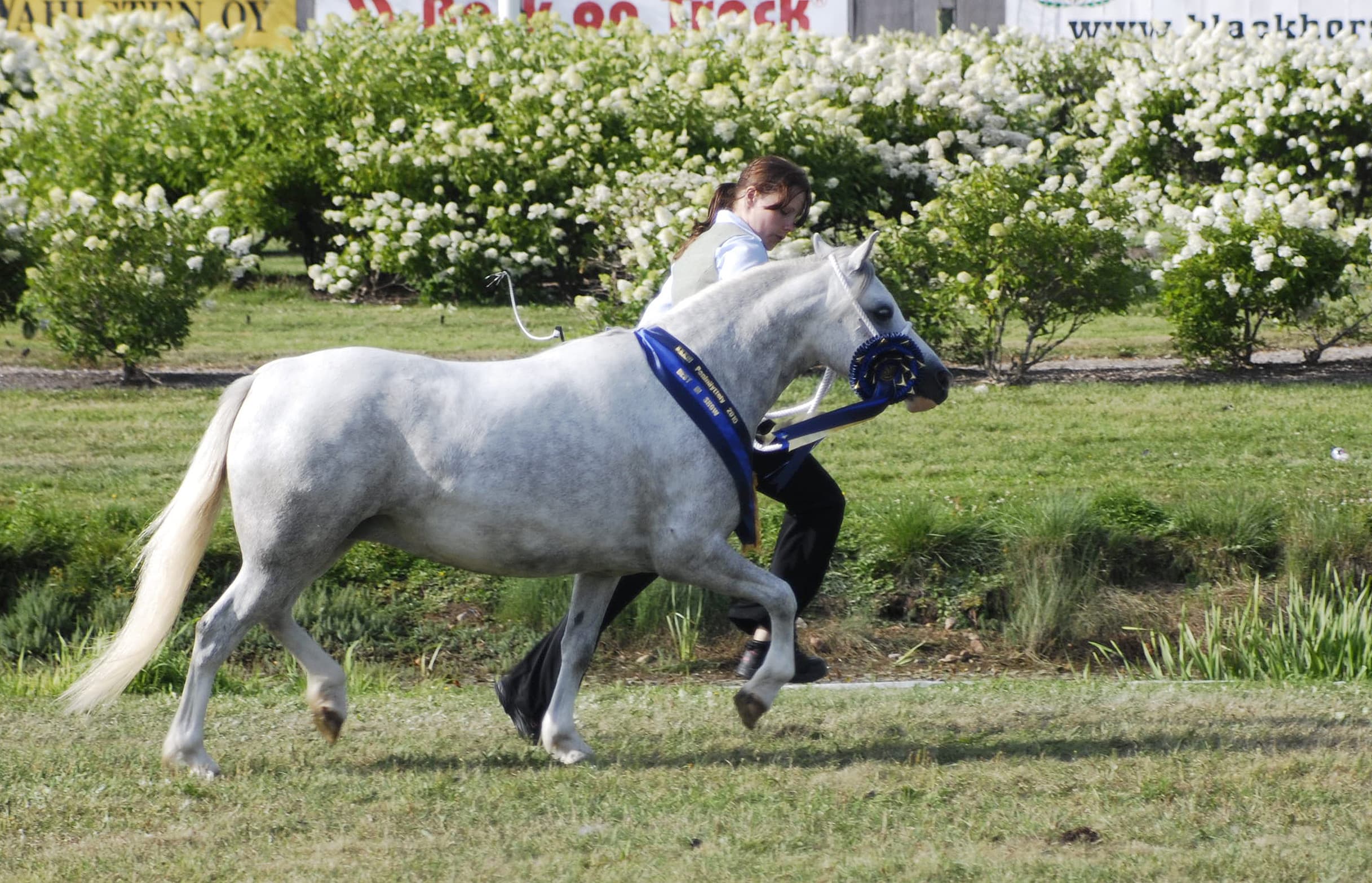
The Welsh Mountain Pony is the small Welsh pony registered in Section A of the Welsh Stud Book.
Sources: Welsh Pony and Cob Society — Section A · WPCS — Pure Bred Rules of Registration
The country and region on each card locate the breed’s place of origin. This geographical starting point connects its history with a place and the activities of the people who live there.
Farm work, transport, riding or driving: the categories bring together past and present activities documented in the sources. A breed can be associated with several uses.
The directory has 73 profiles covering breeds, studbooks and populations of horses, ponies and donkeys. Each describes their origins, characteristics and uses, along with registration rules where a registry exists. The Welsh profile covers only the Welsh Mountain Pony, Section A.


